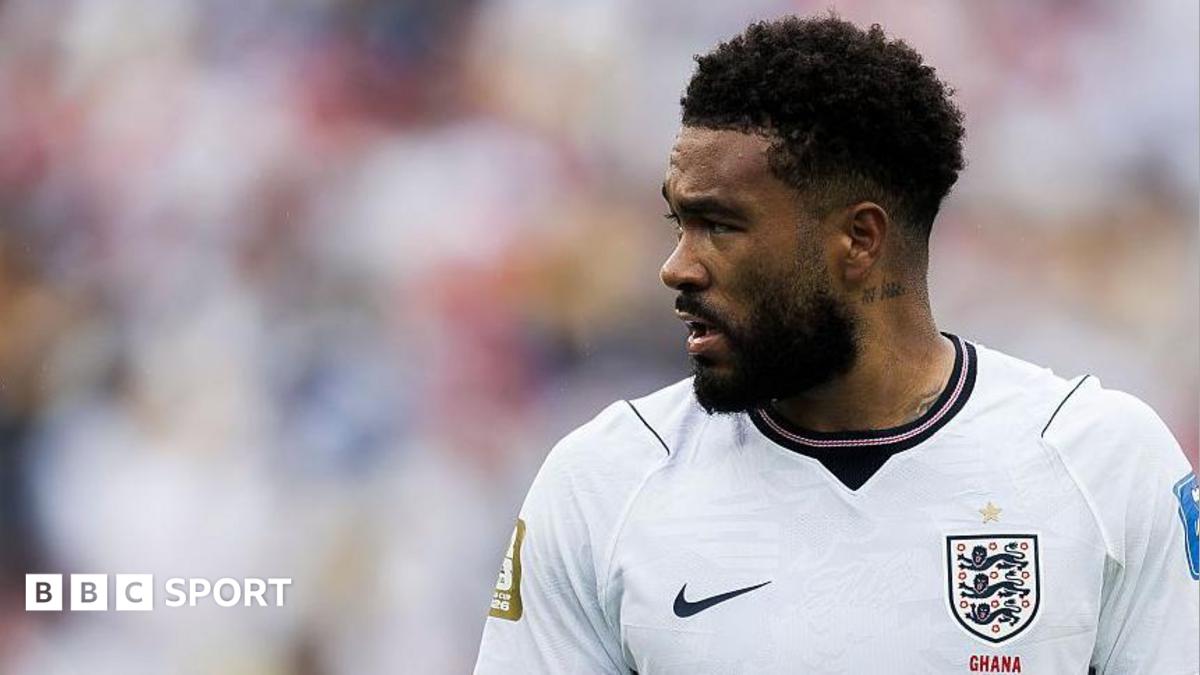
Reece James has hit another wall. The England right-back will miss the final World Cup Group L match against Panama and is a major doubt for the round of 32. A recurring hamstring injury is the culprit, once again halting the Chelsea defender just as England's campaign enters the business end.
While James faces another spell on the sidelines, Declan Rice has returned to training. The Arsenal midfielder's recovery provides a vital boost for the coaching staff. The contrast in fortunes highlights the fragile nature of England's tournament depth.
As BBC Sport reported, the medical update has forced a sudden recalibration of England's tactical plans. Staff are now preparing for a knockout stage without their most dynamic fullback option.
The Diagnosis and Return Timeline
Medical staff have ruled James out of the Panama fixture on June 28. The immediate focus is now on the round of 32 match, which is scheduled for the first week of July. However, sources close to the camp indicate that a return for that fixture is highly optimistic.
Hamstring injuries of this nature typically require a minimum of three weeks of rehabilitation. A premature return carries a high risk of reinjury, which could end his tournament entirely and derail his pre-season. The realistic best-case scenario is a return for the quarter-finals, should England progress that far.
The Midfield Anchor Restored
Declan Rice's immediate return to training is the silver lining. The midfielder is the defensive anchor of this England team, shielding the backline and starting transitions. His absence would have left a gaping hole in the center of the pitch.
In the previous match, Rice's tactical discipline was essential in maintaining the team's defensive shape. His return allows the coaching staff to partner him with a more progressive midfielder against Panama. This stability is essential for England to control the tempo of the game.
With Rice fit, England can confidently rotate other midfielders to manage tournament fatigue. He provides the structural insurance policy that allows the attackers to play with freedom. His durability remains one of England's greatest assets.
A Devastating Pattern of Setbacks
This latest setback is part of a chronic trend that has plagued James for years. The defender's career has been severely disrupted by muscular issues, particularly in his hamstrings. Since his breakout seasons, his availability has been a persistent issue for both Chelsea and England.
James missed the 2022 World Cup in Qatar due to a knee injury suffered in October of that year. He was then ruled out of Euro 2024 after undergoing major hamstring surgery in December 2023. Over the last four seasons, the right-back has missed a staggering number of matches.
Specifically, James has sat out more than 80 games for club and country since 2022, missing approximately 65% of Chelsea's fixtures over the past two seasons. This constant disruption has prevented him from establishing momentum or cementing his status as the undisputed starter. The recurring nature of these injuries points to deep-seated muscular imbalances.
Tactical Ramifications for England
Without James, the right-back role becomes a tactical battleground. Kyle Walker offers unmatched recovery pace and defensive solidity, making him the defensive choice. However, at 36 years old, Walker cannot be expected to play every minute of every knockout match.
Trent Alexander-Arnold represents the creative alternative. His passing range can unlock stubborn defenses, but his defensive positioning remains a concern against elite opposition. The loss of James removes the perfect middle ground between Walker's speed and Alexander-Arnold's vision.
Kieran Trippier is another option, though his form has declined over the past 12 months. The coaching staff must now decide whether to play Walker continuously or risk Alexander-Arnold in high-stakes defensive situations. This dilemma will shape England's knockout strategy.
The Broader Impact and Chelsea's Dread
The news of James' injury will reverberate back to London. Chelsea officials are watching this development with mounting concern. The club has invested heavily in James, signing him to a long-term contract and naming him captain, yet they rarely get a full season out of him.
This latest blow raises serious questions about his long-term physical durability. Chelsea cannot build a consistent defense around a player who is unavailable for half the season. The economic and sporting impact on the club is substantial, as they must keep investing in backup options.
For England's competitors, the injury is a significant boost. Teams like France or Spain, who possess explosive left wingers, will view James' absence as a weakness to exploit. A defense containing a fatigued Walker or a defensively vulnerable Alexander-Arnold is a much softer target.
Historical Precedents of Muscle Fragility
James is not the first elite player to see his career stalled by muscle injuries. Arjen Robben suffered constant hamstring tears during his time at Chelsea and Real Madrid. Robben eventually managed his issues by changing his training regime, extending his career at Bayern Munich.
Conversely, Michael Owen's career was permanently altered by hamstring issues. Owen lost his explosive acceleration in his mid-twenties, transforming from a Ballon d'Or winner into a penalty-box poacher. James risks a similar decline if these issues cannot be resolved.
Other defenders, like Ledley King, managed chronic knee issues by avoiding training altogether between matches. However, modern fullbacks are required to run up to 11 kilometers per match at high intensity. The physical demands of the position make King's training model impossible for James.
Squad Selection and Management Under Fire
The decision to include James in the World Cup squad is now under intense scrutiny. Taking a player with such a fitness record to a major tournament is always a gamble. It deprives the squad of a fully fit alternative who could contribute immediately.
Critics will argue that England's staff rushed James back too quickly during preparation. Rushing a player with his medical history is a high-risk strategy that rarely pays off in tournament football. If England exit early due to defensive errors on the right, this selection decision will be heavily criticized.
The focus must now turn to protecting the player's long-term career. The medical team must resist the temptation to patch him up for a potential semi-final. A premature return could lead to a catastrophic tear that sidelines him for the rest of 2026.
As the news of James' setback spreads, the pressure increases on England's coaching staff. They must find tactical solutions quickly before the knockout stage begins. The margin for error has just become razor thin.
Read Next
- Reece James hamstring injury sparks World Cup crisis for Thomas Tuchel
- We need to stop waiting for Reece James to save England
- Reece James' latest hamstring blow has left England and Chelsea in a mess
- Thomas Tuchel is paying the price for his baffling right-back gamble
- 🏆 World Cup 2026 — Full Coverage Hub
- 🏴 England World Cup 2026 — Three Lions Hub