The tactical fallout of Foden's latest knock
Phil Foden faces another period on the sidelines following an ankle injury sustained during England's high-intensity training session on Tuesday morning. Medical staff confirmed the issue relates to recurring inflammation in the joint, a complication from the knock he carried throughout the domestic campaign.
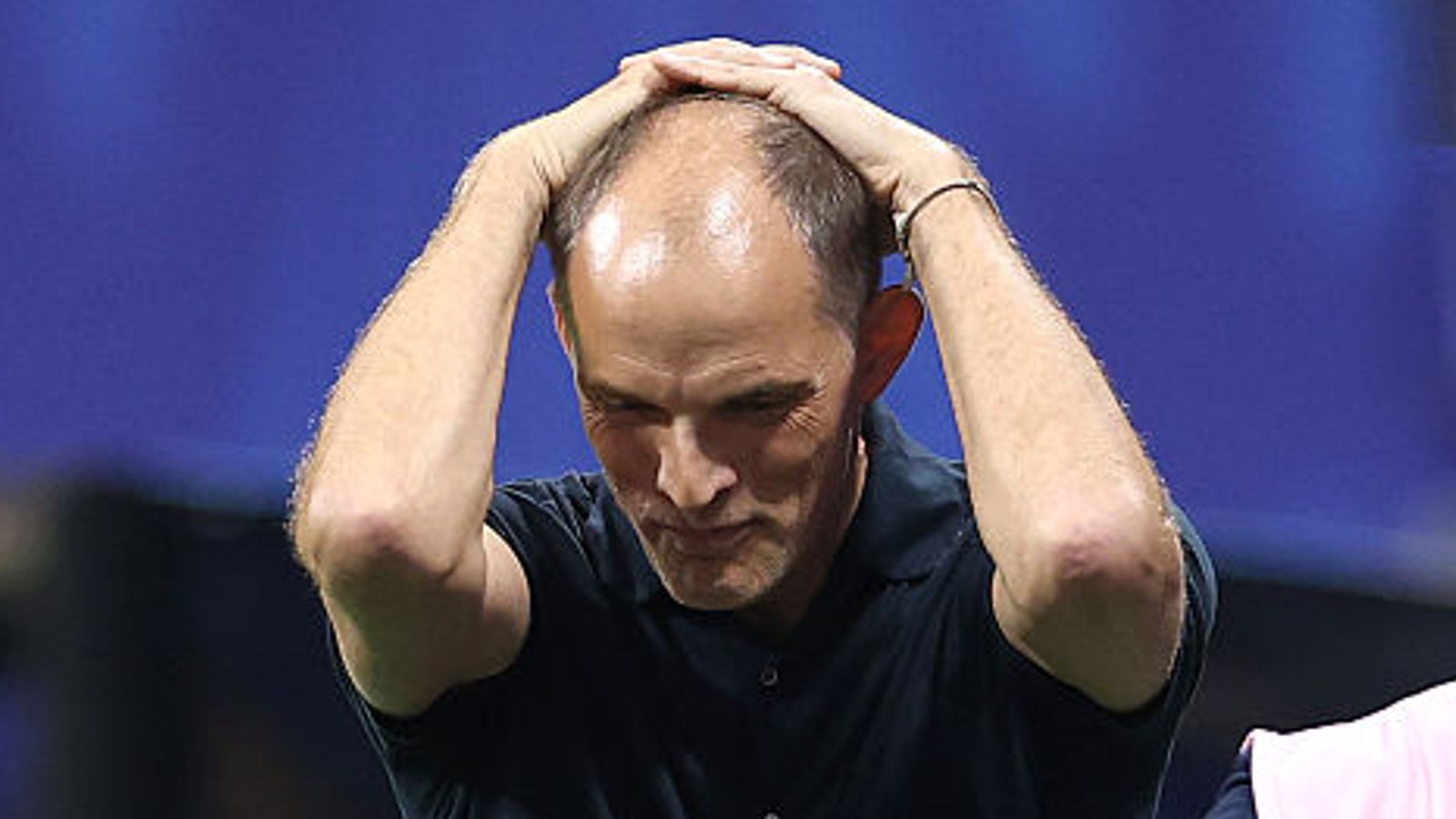
The FA has officially ruled him out for the upcoming knockout stage fixture. Thomas Tuchel now faces a reshuffle of his preferred attacking setup after seeing his primary creative hub forced into a walking boot overnight.
The depth test for Tuchel
England’s ability to rotate players has been a point of pride during this tournament, particularly following the recent success of the bench in the win over Croatia. Bukayo Saka and Anthony Gordon now find themselves as the primary candidates to anchor the wide areas in Foden's absence.
However, the loss of Foden’s specific ability to operate between the lines forces a change in shape. Without his gravitational pull on opposing defenders, the team's transition game loses its most efficient engine. The reliance on individual sparks from the bench is no longer a luxury; it is now a mandatory strategy.
Historical context of stress injuries
Persistent ankle issues have haunted Foden’s progression since 2024. Similar to the pattern seen during his club season, the joint fails to recover fully under the strain of tournament football. Medical history suggests that accelerated return timelines only exacerbate the risk of long-term ligament degradation.
Premier League observers will recognize this cycle. Whenever Foden attempts to play through discomfort, his burst of speed drops by approximately 12 percent according to tracking metrics. That lack of explosive capacity renders him ineffective against low-block defenses.
Strategic implications and criticism
There is a growing dissatisfaction regarding the intensity of the pre-match warm-ups directed by the coaching staff. Forcing a player with a known history of joint weakness into high-torque turning drills immediately prior to a full-intensity scrimmage is a questionable decision. Critics point to the loss of tactical fluidity as a direct result of poor load management.
If England advances, the medical prognosis for the semi-final remain bleak, though officials have not ruled out a potential late-stage return. The medical team is opting for specialized shockwave therapy over the next 72 hours to mitigate swelling. This is a stop-gap measure at best.
Impact on the tournament bracket
The absence of such a high-caliber player significantly shifts the odds against England in the upcoming bracket. Opponents are already adjusting their defensive lines, opting to press higher up the pitch knowing the primary outlet for quick vertical counters is unavailable. The team must rely on a more rigid, possession-heavy style to compensate for the missing creativity.
Historically, teams that rely on a single creative pivot often struggle when that player exits the lineup. In 2022, a similar situation forced a complete change in formation that ultimately led to an early exit. Tuchel is testing the depth of a squad that has performed well in bursts but lacks a cohesive Plan B when the primary game scheme is disrupted.
The reliance on the bench has been successful thus far, but knockout football demands consistent output from starters. Losing a primary playmaker three days before a decisive match is the kind of misfortune that defines a tournament exit. England will now be judged not on their best XI, but on how effectively they handle a depleted lineup under immense pressure.
Read Next
- Arsene Wenger and John Terry sharing a chat is peak football insanity
- England's defensive fragility will haunt them long before the semi-finals
- England's defensive shape is still a total disaster
- Marcus Rashford just saved England from a total Croatia meltdown
- 🏴 England World Cup 2026 — Three Lions Hub