The fall of Matt Bloomfield
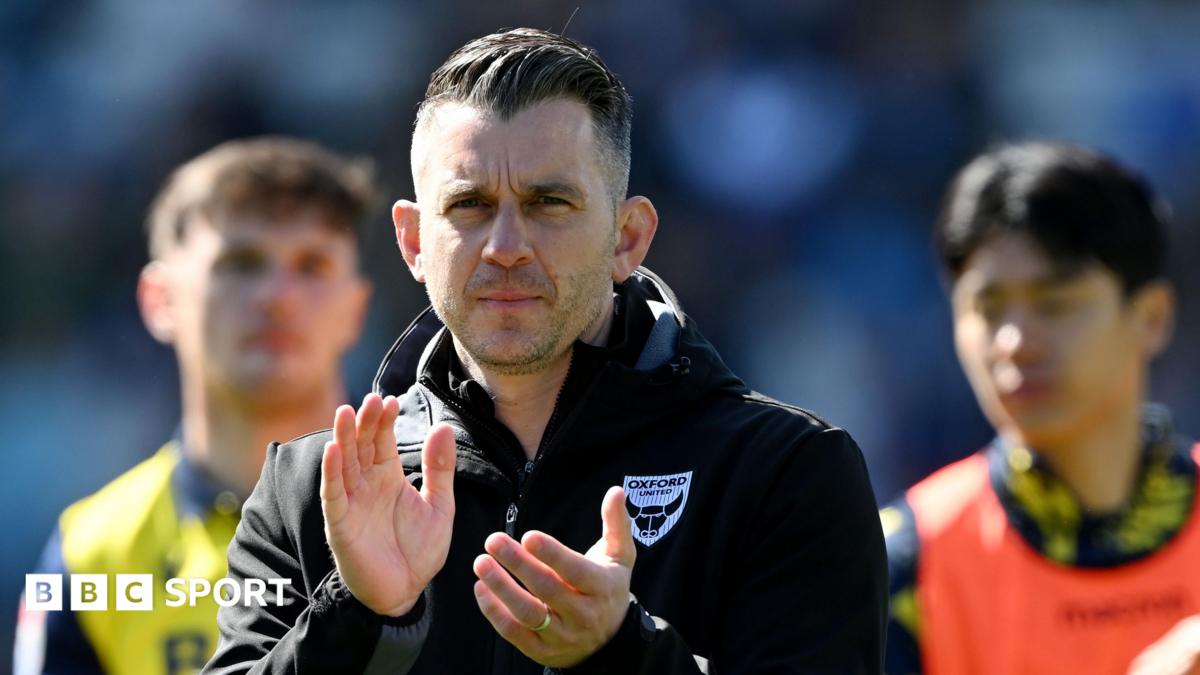
Oxford United have officially parted ways with head coach Matt Bloomfield today, June 20, 2026. This move follows a disastrous campaign in the Championship that concluded with the club suffering relegation back to League One. The BBC confirmed the dismissal earlier this morning as the board attempts to reset the direction of the football club.
Source credibility: Tier 1
As this news comes directly via public record and official club channels, the reliability of the report is absolute. There is no speculation regarding whether the manager has left; the primary discussion now shifts to who arrives next. Oxford's hierarchy acted quickly following the drop to the third tier, suggesting a desire to have a permanent replacement secured before pre-season training begins.
Tactical struggles at Oxford
Bloomfield arrived at the Kassam Stadium with expectations of stabilizing the team in the Championship. Instead, the side struggled to adapt to the physical demands of the second division. Tactical indecision characterized their season, with the squad often looking disjointed during critical defensive transition phases. The team conceded 72 goals over the course of the league campaign, a figure that effectively sealed their fate by mid-April.
The lack of a consistent high-press identity was arguably Bloomfield's greatest failure. While his rosters showed flashes of technical competence in possession, they lacked the grit required to grind out results against top-half opponents. Away games were particularly punishing; they managed only four victories on the road all year. This inability to secure points outside of Oxfordshire made every home match feel like a must-win scenario.
The hunt for a replacement
Speculation is already mounting regarding potential candidates, with internal sources pointing toward managers who favor a more pragmatic approach. Oxford needs a coach capable of managing a leaner budget in League One while maintaining a winning culture. The pressure to bounce back immediately is high, as the fanbase is historically demanding of their leadership.
Several names are being floated by the local press, including former assistants and veteran coaches familiar with the third tier. The club has not provided a formal shortlist, but the timeframe is narrow. They intend to appoint a successor within the next 14 days to ensure the new manager has enough time to evaluate the current playing squad before the transfer window kicks into gear.
Financial considerations
Relegation represents a seismic financial blow for the club. Broadcasting revenue drops significantly between the Championship and League One, forcing a reassessment of wages. Players who were signed during the chase for survival may now find themselves on the periphery of the club's future plans. A squad overhaul is almost certainly coming, regardless of who takes the managerial seat.
Budgetary constraints will be the primary limiting factor for the incoming boss. The club has already signaled that major reinvestment is off the table unless significant assets are sold. Expect a heavy reliance on loan markets and free transfers to bolster the ranks for the upcoming season. This strategy keeps the risk low but requires the manager to have excellent scouting connections.
Critical observation
The timing of the departure, while predictable, hints at deeper structural issues within the club's administration. Sacking a manager immediately upon relegation often feels like a scapegoating exercise designed to appease fans without addressing issues higher up in the boardroom. If the board does not improve their recruitment process, the next coach will likely face the same tactical limitations that haunted the late stages of the previous regime.
The club's reliance on specific personnel during the January window suggests a lack of long-term planning. Several key signings arrived on short-term deals that have now expired, leaving the squad noticeably thin. Without a clear sporting director role defined or filled, the next manager might find themselves doing double duty in recruitment, which historically leads to burnout.
Probability and outlook
The probability of a new manager being named by early July is very high. The club cannot afford a prolonged vacancy while other League One teams are already securing their targets. We expect the board to prioritize a candidate with previous experience in promotion battles to reassure the supporters and the stakeholders.
If the appointment is successful, the impact could be immediate, shifting the focus from the failures of last year to a fresh campaign. However, the drop in quality from the second division remains a difficult hurdle for any manager coming into a deflated locker room. Whether this is a true reset or just a temporary fix depends entirely on the identity of the person they hire next week.