The Backlash of the Benchings
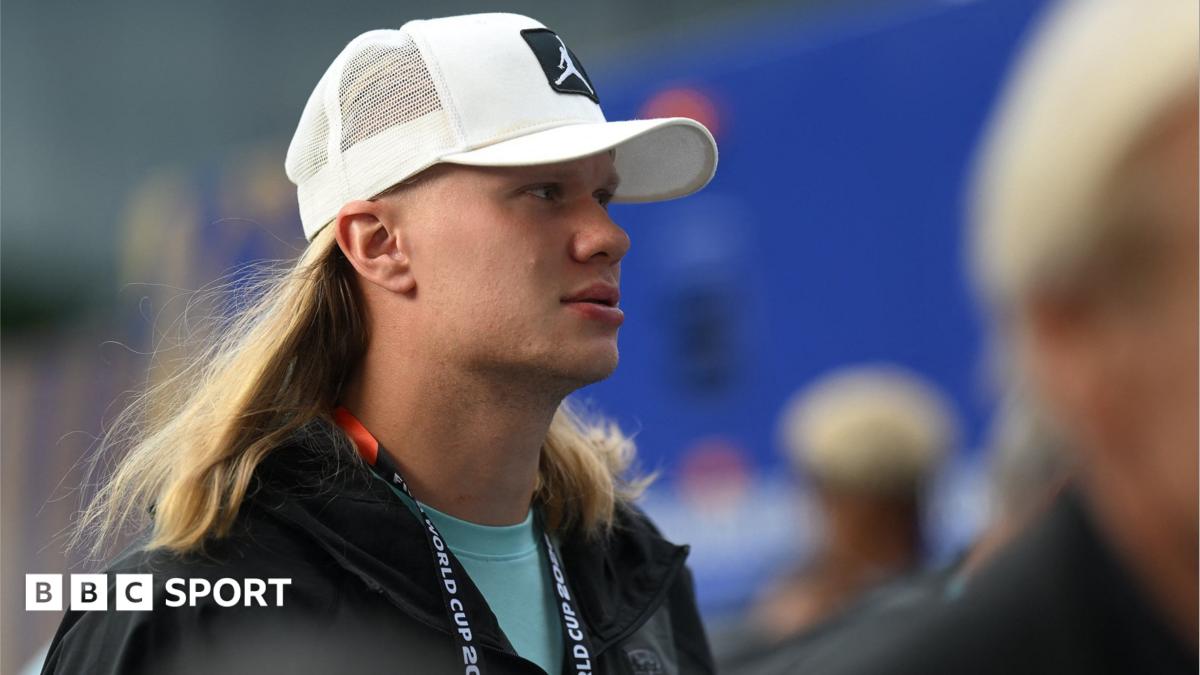
Ståle Solbakken decided to play mathematician instead of football manager. By rotating ten outfield players and leaving Erling Haaland on the bench, he conceded the match before kickoff. The resulting 4-0 defeat to France was hard to watch.
As the BBC reported, the decision raised immediate questions about the balance between player rest and competitive integrity. Norway looked like a collection of strangers. The second string could not string three passes together, and the defense collapsed under the first sign of French pressure.
Solbakken defended the move as a necessity to keep his key assets healthy. But football is a game of momentum, not just load management. Dropping a match so tamely ruins the team's confidence ahead of a knockout game. Fans who paid thousands to travel to the stadium felt cheated, and the local media has been brutal.
The fallout from that choice has been immense, with analysts arguing whether it was a sensible choice or a wrong decision to prioritize individual rest over team cohesion. Now, Germany awaits in Munich. The host nation is flying, having won their group with ease. Solbakken has no safety net left. If Norway exit the tournament without a fight, this rotation strategy will be remembered as a historic tactical blunder.
Haaland will return to the starting lineup, but he cannot solve every structural issue alone. The Manchester City striker has scored 38 goals in his international career. Yet, he requires service, and the service in Paris was nonexistent.
The Physics of Erling Haaland
Analyzing Haaland's output reveals why Solbakken was terrified of injury. The forward operates in explosive bursts, reaching a top speed of 36.2 kilometers per hour. These high-velocity runs put immense strain on his hamstrings and adductors.
When he is fully fit, he occupies two central defenders by his sheer presence. This gravity creates space for Martin Ødegaard to operate in the half-spaces. Without him, Norway's attack becomes flat and predictable.
During the France defeat, Alexander Sørloth tried to play the focal point. He is a capable striker for Atlético Madrid, but he lacks Haaland's vertical threat. Sørloth prefers to hold the ball up rather than run in behind, which allowed France to play a high defensive line without fear.
Germany will play an even higher line under Julian Nagelsmann. They compress the pitch, leaving vast spaces behind their center-backs. If Haaland is fully recovered, he can exploit this space. If he is still carrying a knock, Norway will be trapped in their own half.
The medical staff claims Haaland is at peak fitness. We will see if that translates to the pitch. If he cannot make those repeating runs behind Antonio Rüdiger, Norway have no plan B.
The Tactical Chessboard
Germany's Midfield Trap
The battle in the center of the pitch will decide this match. Germany's midfield partnership of Robert Andrich and Aleksandar Pavlović is incredibly efficient. They dictate the tempo and protect a defense that can be vulnerable to quick transitions.
Norway will counter with Sander Berge and Patrick Berg. Berge has had a decent season, but he is prone to turning slowly under pressure. Germany will trigger their press the moment Berge receives the ball with his back to goal.
If Berge is suffocated, Ødegaard will be forced to drop deep to progress the ball. This is exactly what Germany wants. Moving Ødegaard thirty yards away from the opposition box removes Norway's primary creative outlet.
To prevent this, Solbakken must instruct his full-backs to play narrow. Julian Ryerson needs to act as an inverted outlet to create passing angles. If Ryerson is pinned back by Jamal Musiala, Norway's midfield will be outnumbered and overrun.
Musiala is the primary threat. He completed 8.2 dribbles per 90 minutes in the group stage. Norway's defensive midfielder will need to track his lateral runs across the edge of the penalty area.
The Vulnerable Backline
Norway's central defense is their clear weak point. Leo Østigård is strong in the air but struggles against mobile forwards. Andreas Hanche-Olsen has a tendency to commit fouls in dangerous areas when caught out of position.
Germany will exploit this by playing Kai Havertz as a false nine. Havertz will drag Østigård out of the backline, creating space for Florian Wirtz to run into from the left wing. This movement pattern has dismantled better defenses than Norway's.
Solbakken will likely employ a low block to protect his slow center-backs. This is a risky strategy against a German team that excel at quick, short passing combinations inside the box. One missed interception, and Germany will walk the ball into the net.
The left-back position is another concern. Fredrik André Bjørkan is a willing runner but lacks the defensive positioning required at this level. Leroy Sané will target him from the opening whistle.
If Norway concede early, they will be forced to abandon their defensive shape. That is when Germany becomes lethal. They have scored a tournament-leading 9 goals in transition situations during the group stage.
The Physical Toll of the Bundesliga Core
Germany's tactical spine is built on Bundesliga intensity. Florian Wirtz played 4,100 minutes across all competitions this season, displaying remarkable durability. His ability to maintain high acceleration metrics late in games highlights his exceptional conditioning.
In contrast, Haaland's season was punctuated by minor muscle strains. This contrast defines the physical battle we will see in Munich. While Germany can rely on a cohesive unit that has played together all year, Norway is hoping a rested superstar can produce a moment of individual magic.
The fatigue factor cannot be ignored. Nagelsmann's counter-pressing requires intense physical exertion. If Norway can survive the first sixty minutes, Germany's press might drop in intensity. That is when Ødegaard's passing ability could find Haaland in space.
But surviving that initial onslaught requires perfect defensive discipline. If the Norwegian defenders lose their concentration for a single second, Germany's runners will punish them. The physical demands of tracking those runs will quickly exhaust a defense that looked fragile in Paris.
A Tactically Flawed Plan
Solbakken's decision-making has been questionable throughout this campaign. His insistence on a rigid 4-3-3 formation ignores the strengths of his squad. Norway do not have the wingers to play this system effectively when Antonio Nusa is rested.
Nusa is a bright spot, but he is only twenty-one. Expecting him to carry the ball-carrying burden against Joshua Kimmich is unrealistic. Kimmich is an experienced defender who knows how to use his body to crowd out young wingers.
If Nusa is isolated, Haaland will receive no service from the flanks. Norway's attack will degenerate into hopeful long balls from the back. That is easy meat for Jonathan Tah and Antonio Rüdiger.
The coaching staff must adapt. A switch to a 3-5-2 could offer more defensive stability and allow Sørloth to partner Haaland. But Solbakken is notoriously stubborn, and he is unlikely to change his tactical identity now.
This stubbornness might be his undoing. A manager who sacrifices a major match against France must deliver a result in the next game. There is no middle ground.
The Prediction: A Cold Dose of Reality
Norway will start the match with high intensity, fueled by the return of their rested stars. Haaland will find some early joy against Rüdiger, perhaps even forcing a save. But Germany's midfield dominance will slowly take control of the game.
By the thirty-minute mark, Norway will be pinned in their own third. Ødegaard will be isolated, and Nusa will find Kimmich impossible to bypass. Germany will score before halftime through a Wirtz cutback.
In the second half, Solbakken will throw on extra attackers, but it will open the floodgates. Germany's transition play will exploit the space behind Ryerson. Musiala will add a second goal to seal the match.
The final score will be a comfortable 2-0 win for Germany. Norway's rested stars will look fresh but completely out of rhythm. Solbakken's gamble will end in a quiet exit, leaving Norwegian football to contemplate another wasted opportunity.
Read Next
- Why Norway benched Erling Haaland for the Group I decider against France
- Ousmane Dembele is trolling the entire football world again
- Why Ronald Koeman's Oranje are primed to run riot against Tunisia
- Julian Nagelsmann and Manuel Neuer are losing their minds over Ecuador defeat
- 🇳🇴 Norway World Cup 2026 — Can Haaland Lead the Vikings?