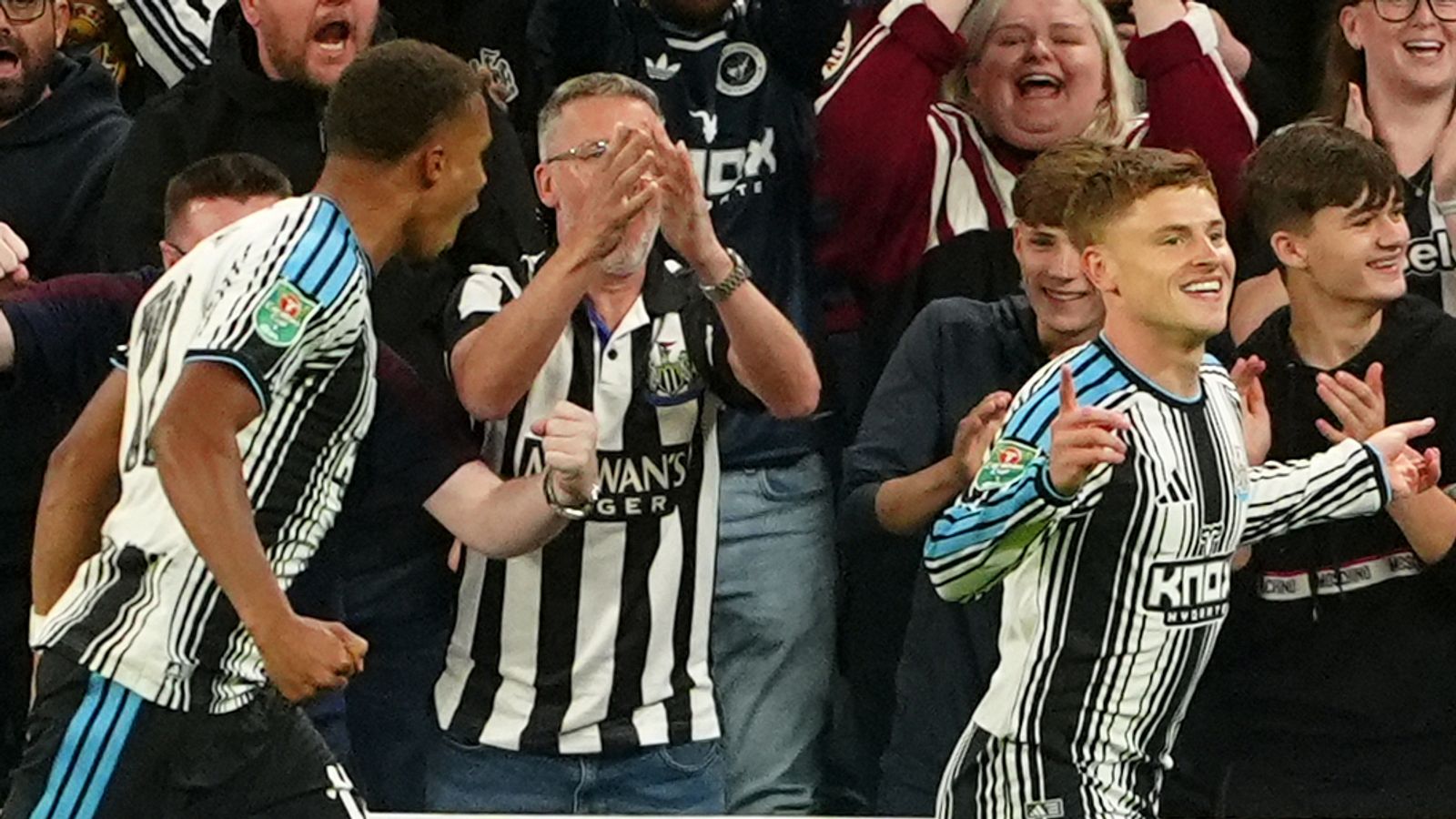
Newcastle United spent the summer transfer window tearing down the core of their starting squad. The departures of Anthony Gordon, Sandro Tonali, and Bruno Guimaraes stripped out the team's midfield control and primary wide threat in one window. That massive squad overhaul came just 12 months after striker Alexander Isak forced a British record transfer move to Liverpool, setting an early precedent for marquee exits.
For supporters expecting Saudi Arabia's Public Investment Fund to spend without constraint, the summer was a sobering wake-up call. Sporting director Ross Wilson has made it clear that the purge was not an isolated event. High-profile departures will remain a permanent feature of Newcastle's operating strategy for years to come.
Newcastle generated roughly £230million from player sales in recent months, but Wilson insists the executive team had no alternative. Compliance with Premier League Profitability and Sustainability Rules (PSR) and UEFA financial regulations requires continuous squad turnover. Financial rules apply equally across the division, regardless of an owner's wealth.
The Harsh Financial Truth Behind St James' Park's Summer Purge
In a candid interview with The Telegraph, Wilson rejected the idea that Newcastle can hold onto top talent indefinitely. He argued that refusing to trade marquee players causes squads to age, drop in value, and eventually walk away for nothing.
According to Wilson, modern Premier League sustainability forces executive teams into pragmatic choices. Holding players past their peak commercial value damages both squad performance and long-term financial stability.
“These are the conversations that every club’s got to have,” Wilson told The Telegraph. “We’re working on a regulatory framework that isn’t for Newcastle United. It’s for everyone. So this isn’t a choice. This is what we’ve got to do. And if you don’t do it, then just keep the squad you’ve got forever more. They’ll grow old and achieve less and leave for nothing.”
Wilson's statement lays out the operational tension currently gripping St James' Park. Supporters want marquee names anchored to long-term contracts to build a stable title contender. Executive leadership, however, views those same players as financial assets that must be monetized before contract protection expires.
Chief executive officer David Hopkinson and his commercial team are working to expand off-pitch revenues through new corporate partnerships and global marketing. Yet Wilson stressed that commercial growth alone cannot keep pace with spending limits without active player trading.
“If you want to be a successful club in the Premier League you have to trade players and if you don’t the chances are you won’t be a successful club.”
“Particularly where the revenues of this club are in a phase where, David [Hopkinson] and his team are making those revenues really, really grow,” Wilson explained. “But without that, if you don’t trade players, you are going to get stuck.”
That assessment underlines the structural gap between Newcastle and traditional European heavyweights. Without decades of accumulated global commercial revenue, Newcastle must rely on player trading as their primary economic engine.
The On-Pitch Cost for Eddie Howe's Rebuild
While the trading strategy satisfies financial controllers, it creates immediate tactical disruption for manager Eddie Howe. Stripping out Gordon, Tonali, and Guimaraes forces Howe to rebuild his central spine and wide attack during an active season.
Gordon provided direct running, high pressing intensity, and vertical threat. Tonali offered positional discipline and defensive coverage in central areas. Guimaraes controlled match tempo and linked defense to attack, leaving massive tactical voids across the pitch.
Newcastle attempted to address these gaps by bringing in young talent, capped by the deadline day capture of Belgian winger Matias Fernandez-Pardo. Recruited to add pace on the flank, Fernandez-Pardo fits the profile Newcastle now target: young players with high physical upside and future resale value.
Expecting raw prospects to match the immediate output of international starters is a high-risk approach. Fernandez-Pardo and his fellow recruits face intense pressure to adapt immediately to the physical demands of English football.
Howe must now navigate a dense fixture schedule while building team chemistry on the fly. Inconsistency is almost guaranteed when a starting lineup undergoes such drastic structural changes within a single transfer window.
Rivals like Manchester City, Arsenal, and Liverpool leave zero margin for error. Any prolonged drop in points during this transition phase could severely damage Newcastle's push for European qualification.
Lewis Hall and Manchester United's Ongoing Chase
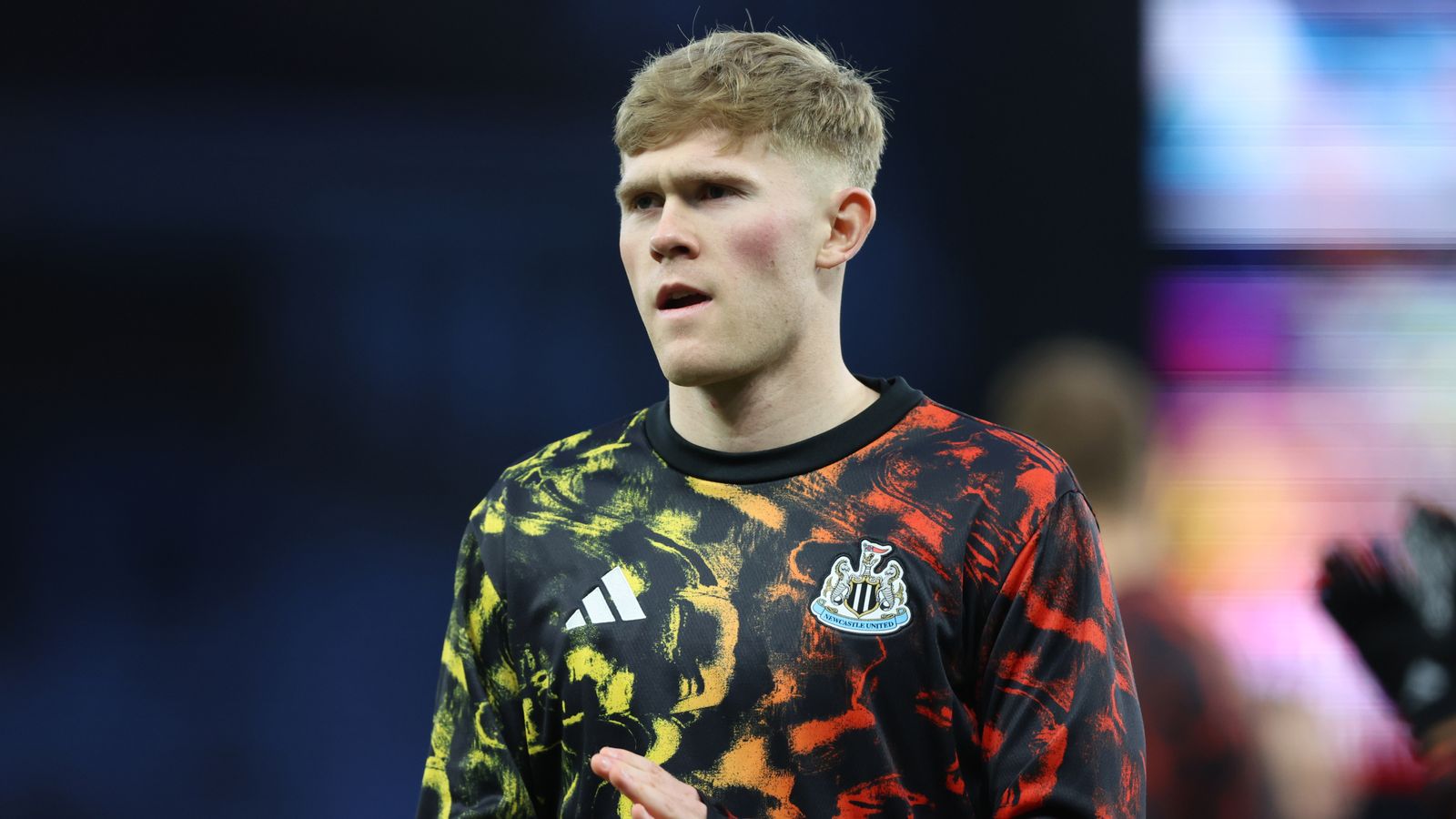
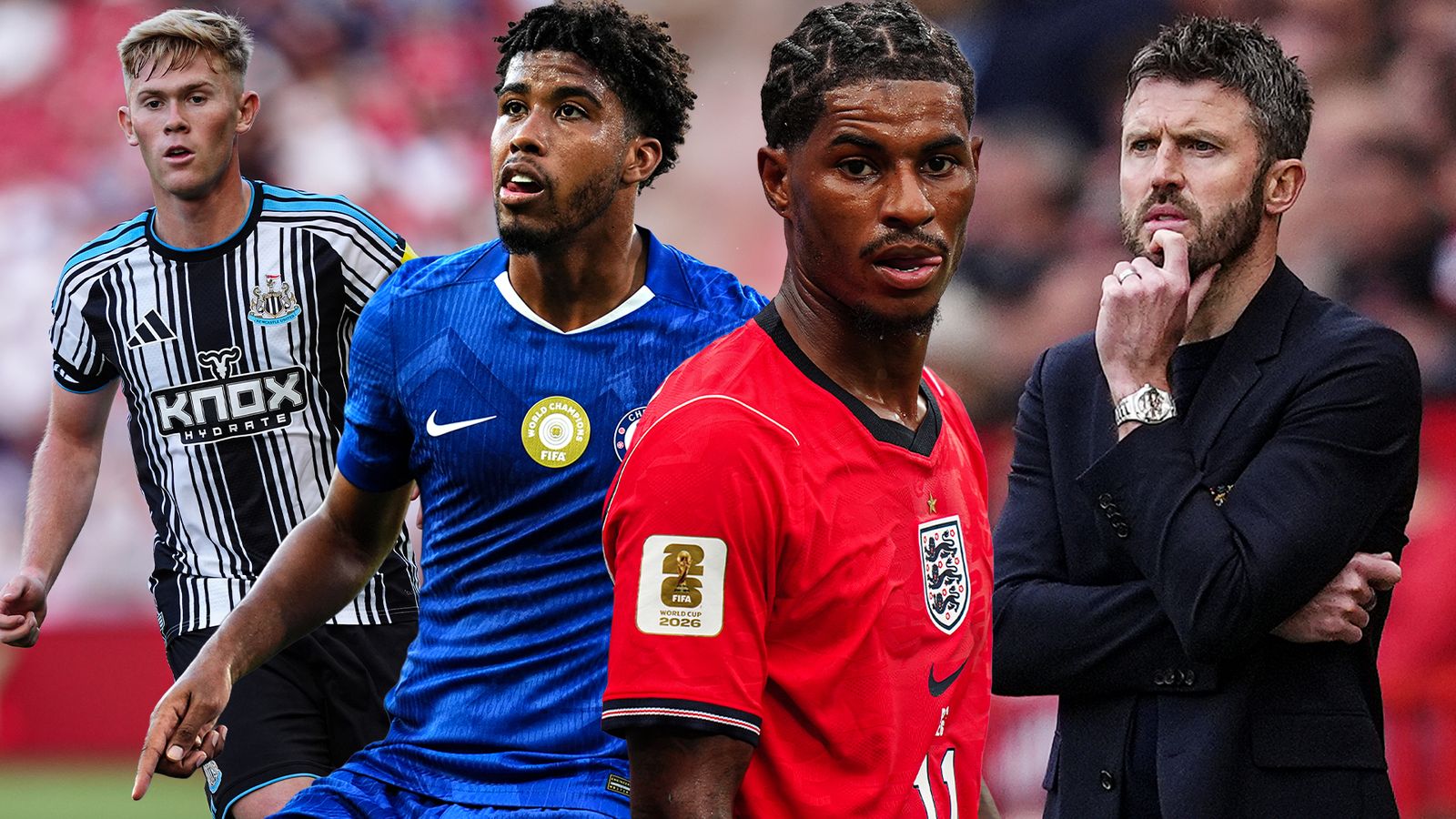
The next major test of Newcastle's trading philosophy centers on 22-year-old left-back Lewis Hall. The former Chelsea defender drew consistent transfer interest throughout the summer, with Manchester United actively monitoring his availability, as reported by Mirror Football.
Newcastle held off late inquiries before the deadline and are working to secure Hall to a long-term contract extension. Reports indicate the defender is expected to sign fresh terms at St James' Park shortly.
However, contract renewals under a player trading model serve a dual purpose. Securing Hall protects his commitment in the short term, but it also maximizes his transfer valuation for future trading windows.
Manchester United recruitment directors have not abandoned their interest in the defender. Old Trafford decision-makers continue to track Hall as a key defensive target for upcoming transfer windows regardless of any new contract.
If Manchester United return with a massive bid next summer, Newcastle's board will evaluate the offer against their explicit trading framework. Under Wilson's policy, no player is untouchable if a bid meets the club's financial criteria.
This reality creates constant frustration for supporters. Watching key assets linked with direct Premier League rivals reinforces concerns that Newcastle risk acting as a stepping stone rather than a permanent destination.
Why the Trading Blueprint Threatens Newcastle's Ceiling
There is a significant structural risk in relying on continuous player turnover. Continually selling prime talent creates recurring tactical volatility that limits how consistently the team can compete at the top of the table.
Selling Isak to Liverpool in 2025 followed by Guimaraes, Tonali, and Gordon in 2026 weakens the squad's core identity. While raising £230million looks impressive on a balance sheet, money in reserve does not win tactical battles at St James' Park.
Player recruitment is inherently uncertain. Even well-scouted signings can struggle to adapt to new tactical systems, and a single unsuccessful transfer window can set a club back several seasons.
Furthermore, constantly replacing proven international performers with developmental prospects places immense stress on the coaching staff. Howe is expected to secure European football while constantly managing a roster in flux.
If Newcastle miss out on European qualification, commercial growth will slow, creating even greater financial pressure to sell key players to maintain PSR compliance. That negative feedback loop is difficult to break once it begins.
Key Facts Behind Newcastle's Summer Transfer Business
- Generated £230million in total player sales during the summer 2026 window.
- Sanctioned high-profile departures for Anthony Gordon, Sandro Tonali, and Bruno Guimaraes.
- Signed Belgian prospect Matias Fernandez-Pardo on deadline day to add wide attacking depth.
- Sold striker Alexander Isak to Liverpool 12 months ago for a British record transfer fee.
- Targeted by Manchester United for 22-year-old left-back Lewis Hall, who is currently expected to sign a new contract with Newcastle.
The Hard Reality Facing Tyneside
Newcastle supporters are being forced to accept a fundamental shift in how their club operates. The belief that wealthy ownership would instantly transform Newcastle into an unstoppable financial powerhouse has collided with top-flight regulatory rules.
Ross Wilson's transparent comments remove any remaining doubt about the club's direction. Newcastle are committed to a high-turnover player trading model designed to navigate Premier League and UEFA compliance.
Navigating this strategy successfully requires flawless recruitment, rapid player development, and the willingness to sell fan favorites at peak valuation. There is no room for sentimentality when financial rules dictate squad construction.
Until off-pitch commercial revenues reach elite European levels, St James' Park will operate as a trading hub. For Eddie Howe and the fans, the challenge is maintaining top-four ambitions while the squad remains in a state of constant evolution.