Tier 2 sources confirm massive Stamford Bridge deal
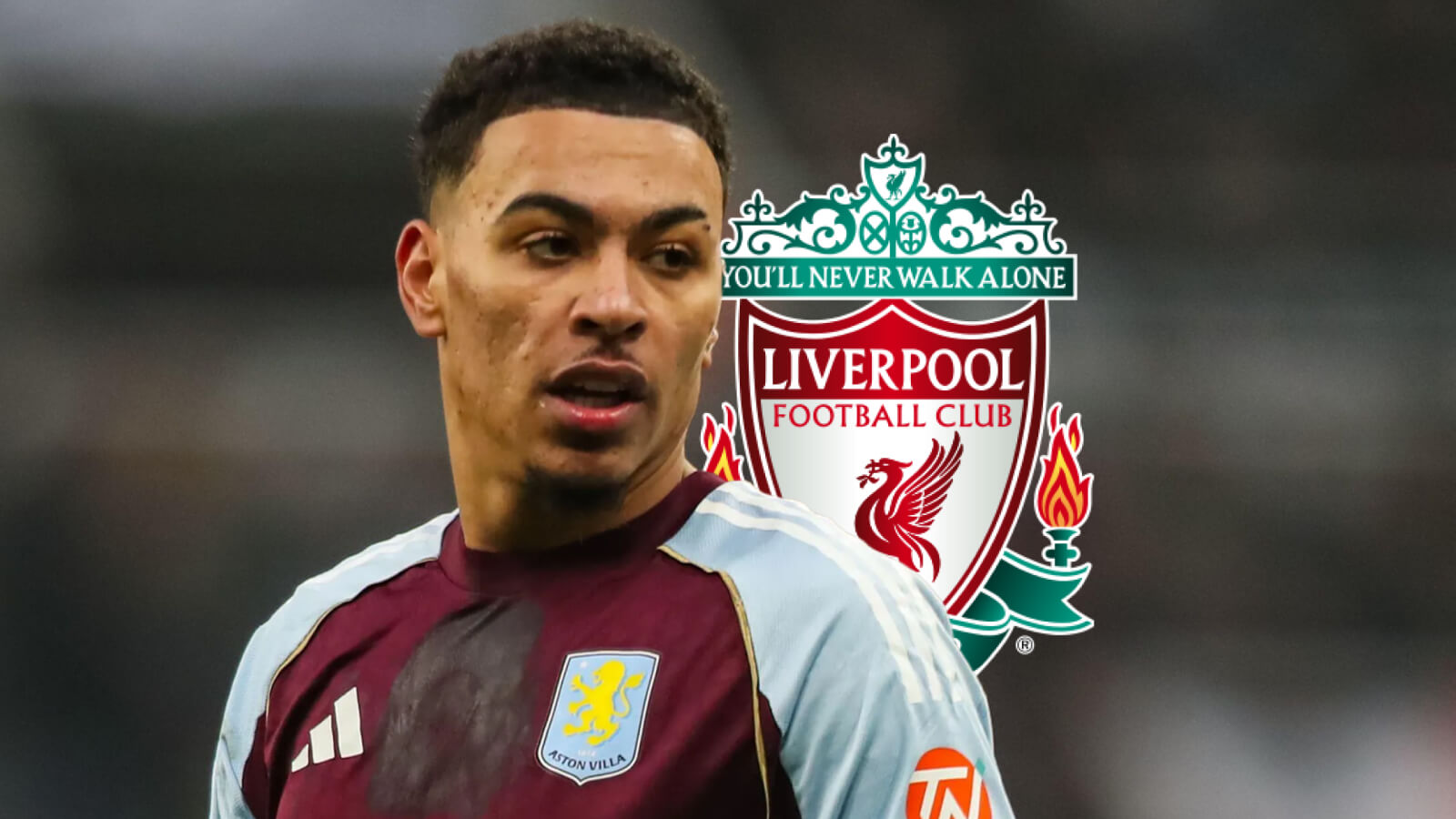
Chelsea have broken the bank once again. Reports confirm England international Morgan Rogers has completed a dramatic move to Stamford Bridge from Aston Villa, reuniting with former Manchester City academy teammate Cole Palmer in London. The deal represents one of the largest financial commitments of the transfer window, though questions immediately arise over how he fits into an already overcrowded attacking unit.
While tabloid outlets like the Daily Mail focus heavily on the sentimental angle of Rogers reuniting with Palmer, tactical analysts are far more skeptical. The move comes right on the heels of another British record headline, with Elliot Anderson completing his own high-profile transfer north to Manchester City.
Tactical fit and squad congestion raise immediate red flags
Rogers operates best when given space to drive directly at central defenders from deep positions. At Villa Park, Unai Emery sculpted a system that allowed Rogers to flourish as a hybrid transition threat. Put him in a possession-heavy system where low blocks are the norm, and his explosive ball-carrying capabilities risk getting neutralized.
As noted by Football365, Chelsea might genuinely be the wrong tactical environment for him. A high-pressing, direct transition side like Arne Slot's Liverpool or Andoni Iraola's Bournemouth seemed far more tailor-made to unleash his specific skill set. Instead, he enters a Chelsea frontline already competing for central touchline space.
There is also the glaring problem of redundancy. Both Palmer and Rogers prefer operating in the right half-spaces or dynamically roaming behind a central striker. Fitting both into the same starting eleven without sacrificing defensive stability will prove a nightmare for the coaching staff. Somebody will be forced out of position.
Fee, contract length, and market comparisons
The numbers involved in this transaction are staggering. Chelsea secured Rogers for a reported fee of £117m, committing the 24-year-old forward to a long-term seven-year contract at Stamford Bridge. His estimated wage package places him straight into the upper echelon of Chelsea's wage structure alongside Palmer.
To contextualize the scale of this transfer, compare it directly to Elliot Anderson's recent £116m shift to Manchester City. Premier League clubs are paying massive domestic premiums for proven home-grown talent, but Chelsea's willingness to cross the nine-figure mark for a player with just two seasons of top-flight consistency remains a massive gamble.
Arsenal were briefly linked with Rogers earlier in the window as they sought dynamic width, but Mikel Arteta's team ultimately backed away when the bidding exceeded reasonable valuations. Villa held all the leverage, and Chelsea did what Chelsea routinely does: paid the buyout premium without hesitation.
Probability and deal status
This is no longer a prospective rumor or a drawn-out negotiation. The probability of this deal happening is 100% — it is completely sealed. Medical examinations have been passed, signatures are on paper, and official announcements are out across club channels.
The expected timeline for his debut points directly to the upcoming pre-season fixtures in August. Rogers has already joined up with the squad for first-team sessions, ending any lingering speculation about Villa holding out for a late structural adjustment on add-ons.
Critical observation: Chelsea's recurring structural flaw
Let's not sugarcoat this move just because of the romantic backstory. Buying talent for astronomical fees without a clear, pre-existing tactical slot is precisely why Chelsea have struggled for consistency over recent seasons. Rogers is an exceptional athlete with rare driving power, but he is not a natural left-winger, nor is he a clinical penalty-box predator.
By spending nine figures on a player whose best positions overlap almost perfectly with Cole Palmer, Chelsea run the risk of creating another expensive tactical logjam. If the coaching staff fails to balance the midfield behind them, Rogers could quickly find himself shifted out wide or rotated heavily, stalling the momentum that made him an England international in the first place.
Expected impact on the pitch
If Chelsea manage to make this partnership click, opponents will face a terrifying dual-threat in central areas. Rogers brings raw physique and ball-carrying power, while Palmer provides precise execution and vision. Together, their familiarity from their academy days at Manchester City could yield instant chemistry in fast-break scenarios.
However, the immediate impact on squad dynamics will be turbulent. Expect existing rotational attackers to see their minutes severely curtailed as the club prioritizes integrating their new marquee signing. It is a high-risk, high-reward move that defines Chelsea's aggressive era under current ownership.