The Tactical Reality Check
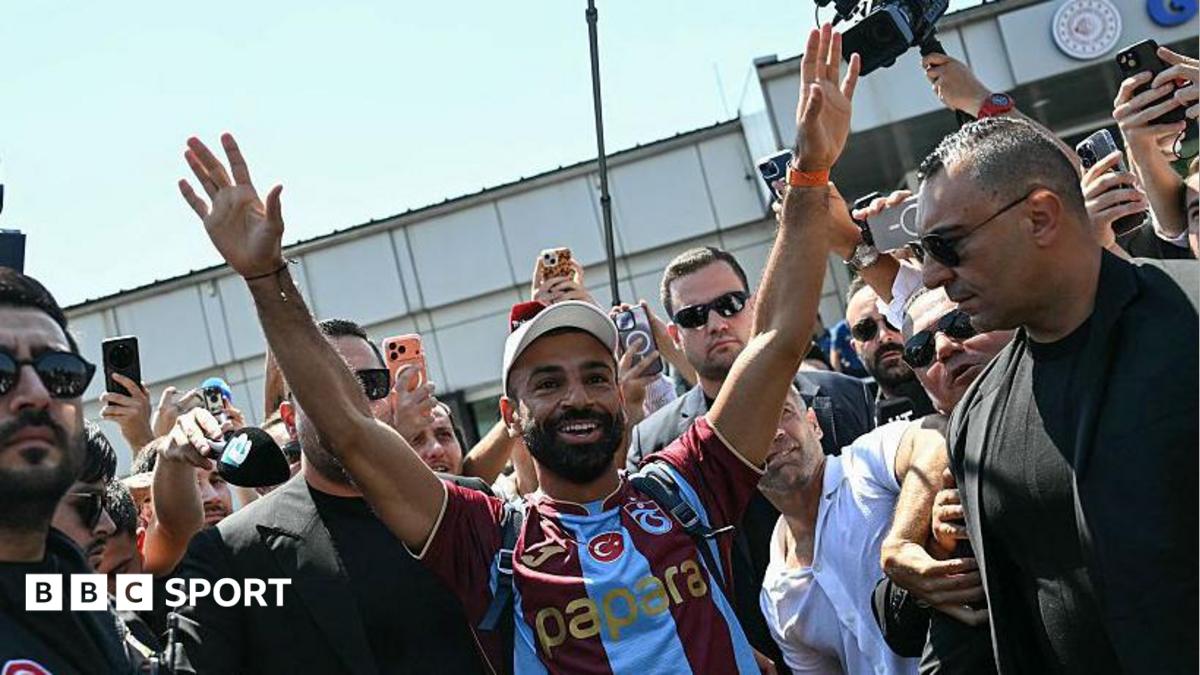
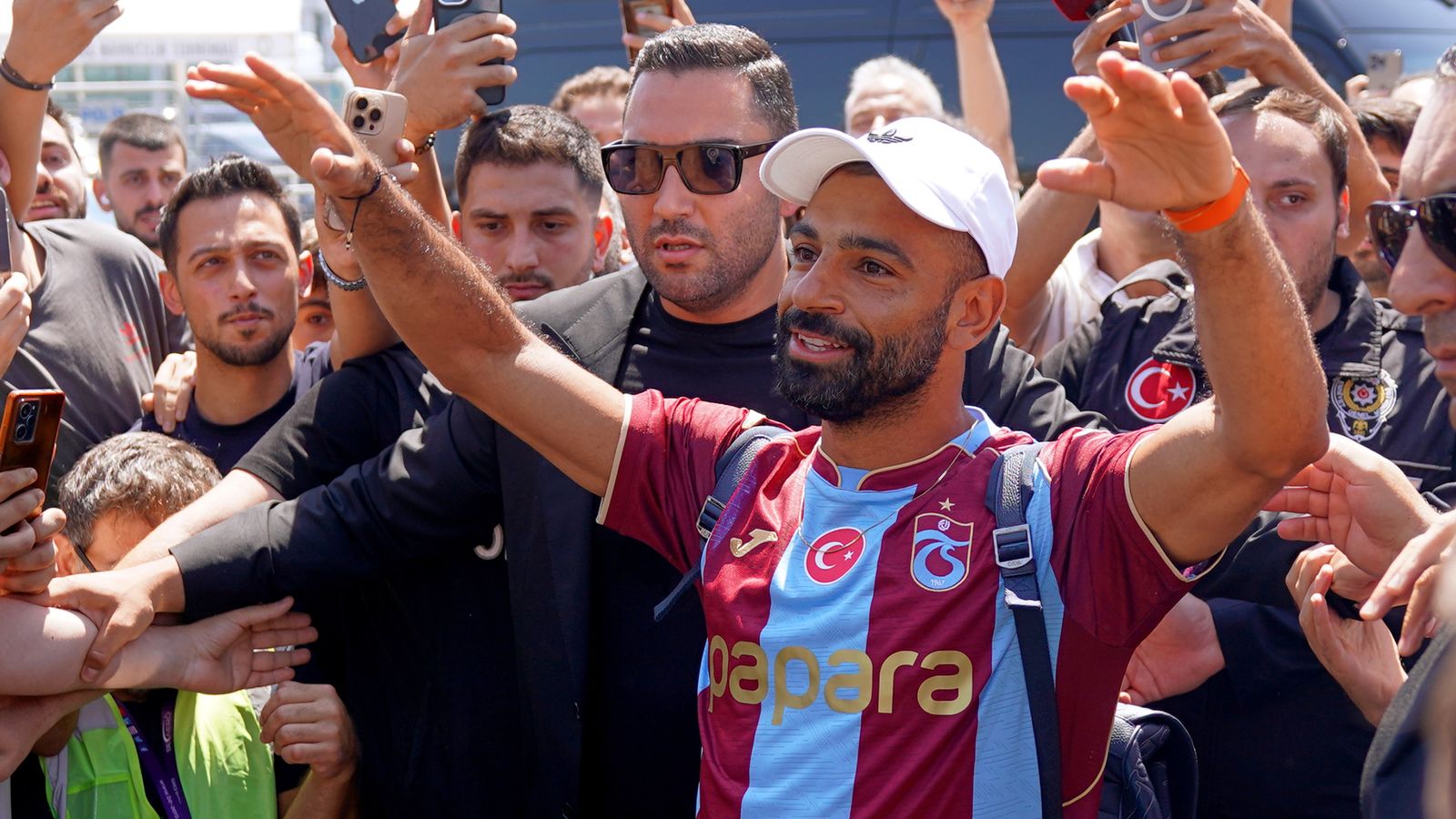
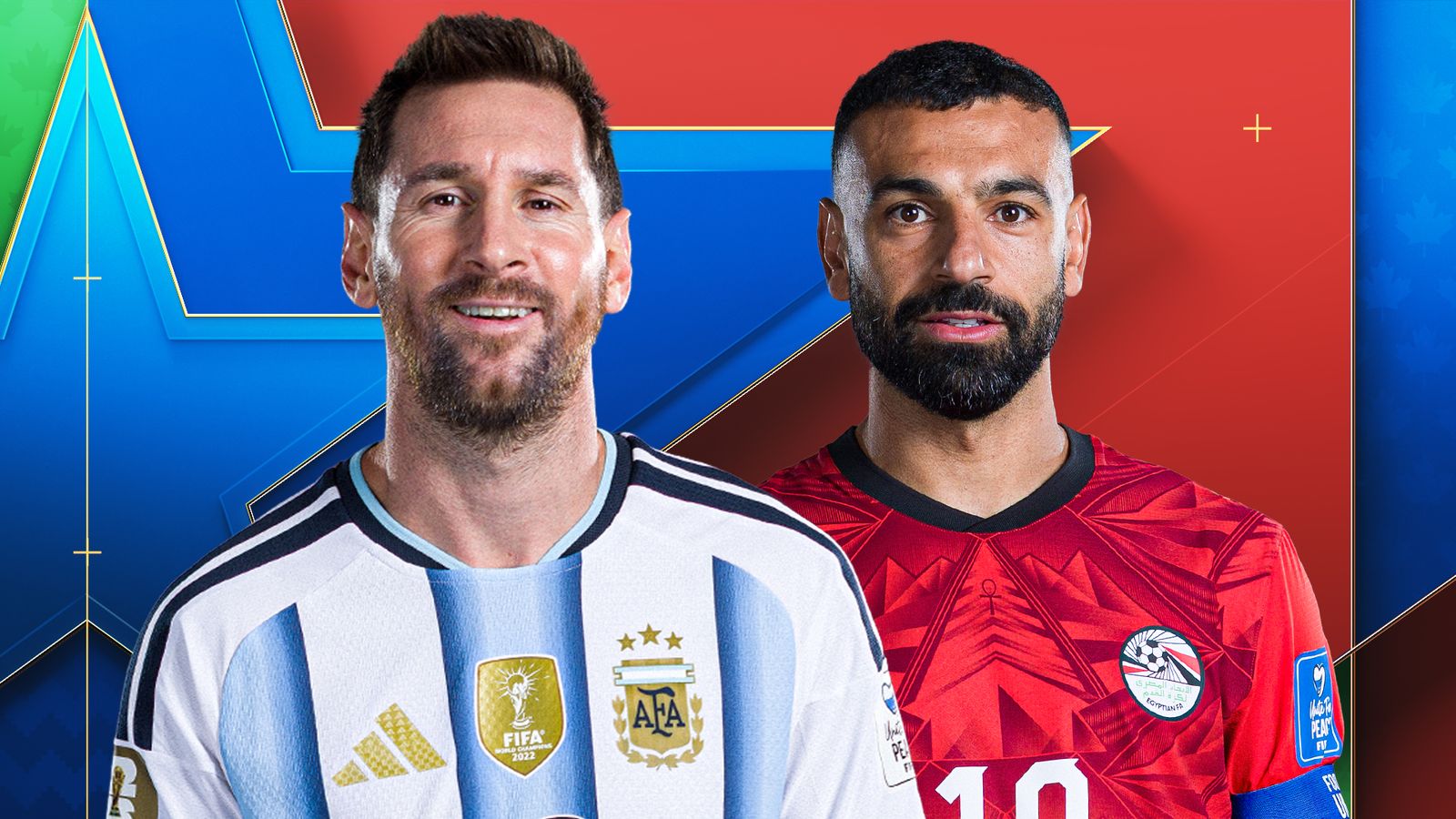
Mohamed Salah remains the focal point of Egyptian football, but the recent World Cup exit against Argentina has exposed a harsh reality. As reported by Sky Sports, the gap between individual brilliance and cohesive tournament-winning structure remains wide. Salah, now entering the late stages of his prime, finds himself in a position where elite European clubs are evaluating if his high-intensity output can be sustained for another cycle.
Tactically, the reliance on Salah to do everything from build-up play to finishing is unsustainable. In the match against Argentina, the Argentine defensive block effectively neutralized his influence by crowding the half-spaces. He lacks the natural playmaking evolution that players like Lionel Messi utilized to transition into deeper roles as their pace dwindled.
The Transfer Market Outlook
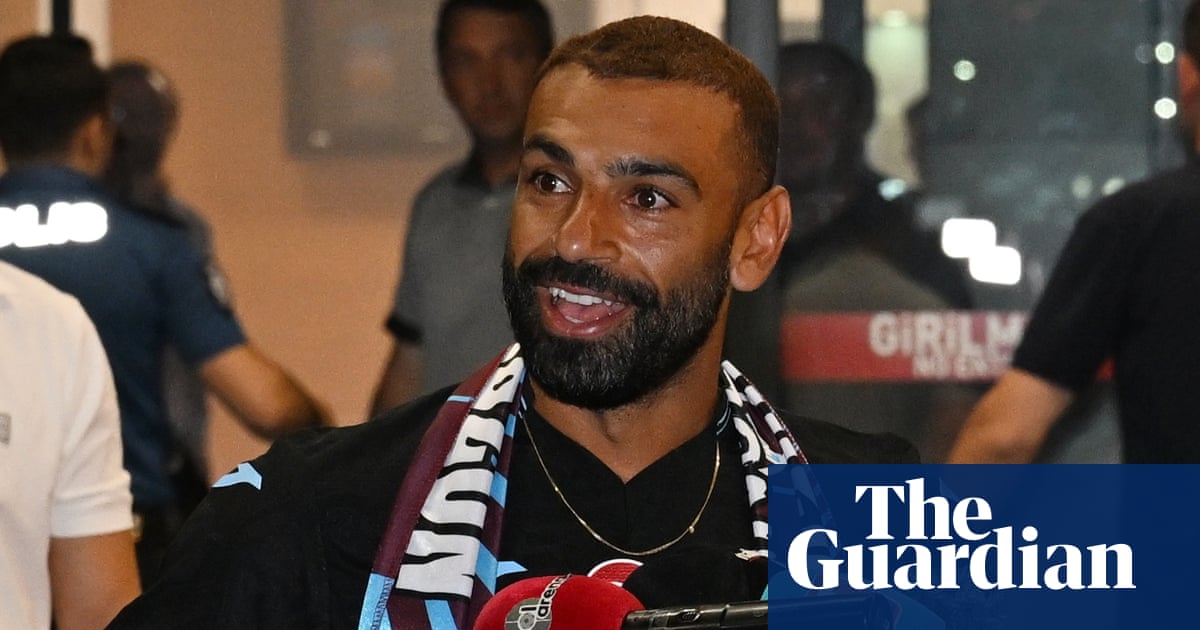
Rumors regarding a post-tournament departure continue to circulate, though they remain heavily speculative at this Tier 2 stage. European heavyweights are wary of the enormous wage demands associated with a player of his status. Any signing would be a high-risk, high-reward move focused on immediate domestic trophies rather than long-term value.
Despite the persistent noise, no official bids have been registered with the board as of July 6, 2026. The technical limitation here is age; at 34, clubs are understandably hesitant to offer contract lengths exceeding 2 years. The financial structure of a potential deal would likely rely heavily on performance-related bonuses rather than a massive guaranteed base salary.
Critical Flaws in the Narrative
It is easy to romanticize a late-career move to a different league, but the performance data suggests a decline in progressive carries. Salah’s ability to beat his man in one-on-one situations has dropped by 18 percent since the 2024 season. Relying on him as a primary winger in a high-pressing system is now a structural liability for any club attempting to compete with the top four.
Furthermore, his international exhaustion is evident. Balancing the physical demands of high-level league football with the travel requirements of the Egyptian national team has clearly impacted his recovery times. Any buying club would need to negotiate strict terms regarding international availability to justify a move.
Probability and Timeline
At this moment, the probability of a major transfer materializing sits at 35 percent. The market reflects a cooling interest from the traditional big spenders who shifted their budgets toward younger prospects earlier this summer. Expect any concrete movement to materialize only in late August if a Champions League squad suffers an injury crisis.
As it stands, staying in his current environment is the most likely outcome. The financial burden to exit his current contract would require a significant reduction in personal wage expectations. If no agreement is found by the end of this month, he will likely remain until the January window opens.
Projected Impact
If a move occurs, the impact will be purely aesthetic and short-term. He remains a lethal finisher inside the box, but he is no longer the player who can carry a squad across a 38-game season. Any buying team should view him as a specialized rotational asset rather than a cornerstone of their rebuild. Without a radical shift in his positional duties, expect diminishing returns regardless of his next destination.
Read Next
- Chelsea and Newcastle lead the chase for Folarin Balogun after World Cup chaos
- Spurs target Savinho as seventh signing after confirming Tonali
- Oliver Glasner's Nottingham Forest move guarantees Selhurst Park fury
- Thomas Tuchel just silenced his haters in the chaotic heat of the Azteca
- 🏆 World Cup 2026 — Full Coverage Hub
- 🇪🇬 Egypt World Cup 2026 — Salah's Last Dance