The fiscal reality behind Milan’s transfer ledger
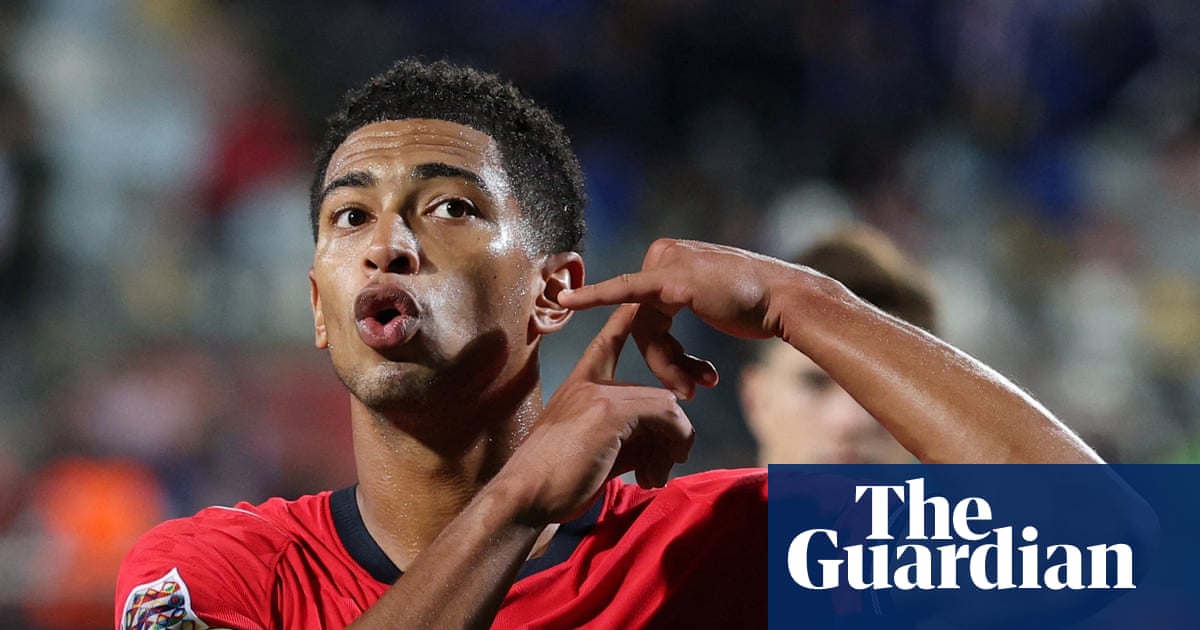
AC Milan recently concluded the final accounting for the acquisition of Ruben Loftus-Cheek, revealing a total financial commitment that demands scrutiny. According to recent reports regarding the Ruben Loftus-Cheek figures, the club has incurred an additional €5 million in performance-related bonuses. This brings the total investment to €21 million, comprised of an initial €16 million fee plus the newly disclosed add-ons.
For a club balancing competitive ambition with fiscal sustainability, this represents a significant outlay. The structure of the deal suggests Milan anticipated higher output from the midfielder during the 2025/26 campaign. When analyzing the ROI on transfers, pay-outs tied to appearance counts or specific team objectives often mask underlying issues with tactical consistency. Milan hit these triggers despite ongoing questions about their mid-block stability.
Tactical stagnation and the Modric factor
While management focuses on financial milestones, the squad composition reveals a paradoxical strategy. The club recently sanctioned a contract renewal for Luka Modric through 2027, a decision that highlights an reliance on veteran personnel over dynamic tactical evolution. You can track the full details of this extension in the official announcement from the club.
Modric brings vision, but his inclusion limits the physical intensity required in modern high-pressing systems. His passing accuracy remains world-class, yet his defensive engagement drops off significantly after the 65th minute. By committing to an older profile, Milan effectively caps their potential for rapid transitions. Tactically, this shift signals a move toward a more methodical, slower style of play that contrasts with the fast-paced Serie A leaders.
The reality of long-term youth planning
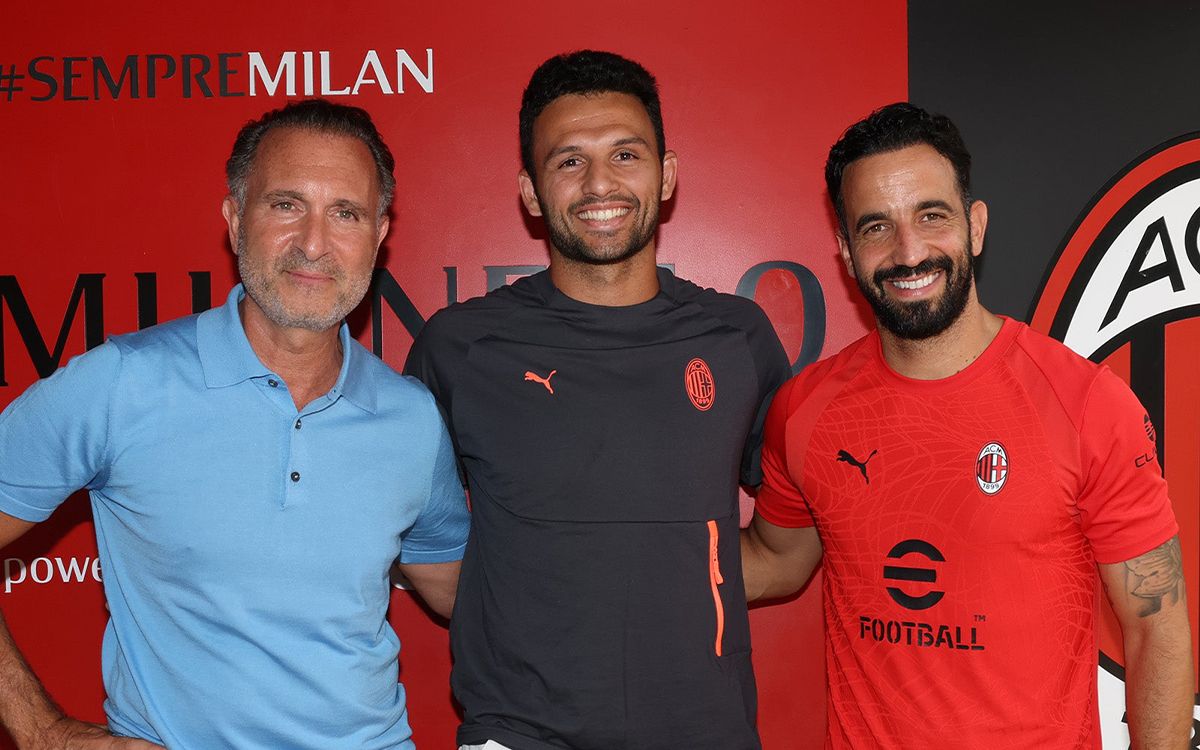
Contrasting with the expensive veteran extensions is the recent long-term commitment to Francesco Camarda. The teenager arrived at Casa Milan to sign a deal lasting until 2031, as documented in recent footage. This move is sensible in vacuum but creates a disjointed succession plan.
The club is simultaneously pushing for immediate results with expensive, aging players while trying to bridge the gap with youth talent that is years away from peak efficacy. This binary approach lacks a bridge. Most elite European squads rely on players aged 24-28 to maximize their transfer value and peak physical output. Milan currently holds a squad distribution that is heavily skewed toward the tails of that bell curve.
Where the strategy fails
The core issue remains the misalignment between financial spending and on-pitch production. Spending €21 million to secure a midfielder who struggled to dictate tempo against the league’s top four sides is an inefficient use of resources. When you compare this to the market value of younger, more pressing-compatible profiles available elsewhere, the club’s recruitment department appears to be operating on outdated metrics.
Defensive coverage suffered throughout the last year because the midfield pivot failed to cover xG threats in the half-spaces. If the club continues to favor legacy names over tactical fit, the board will struggle to argue that these expenditures represent value. Milans path back to the top of the table requires sharper data utilization, not just managing legacy bonus payments.
Read Next
- AC Milan are betting big on the fountain of youth and a very old guy
- Why Rafael Leao's transfer saga feels like a massive misstep for Milan
- The Rafael Leao transfer saga takes an unexpected turn toward Istanbul
- Milan eye defensive reinforcements as Chelsea look to trim squad
- 🇭🇷 Croatia World Cup 2026 — Modrić's Farewell