The Stadium of Light Meltdown and the Sir Alex Playbook
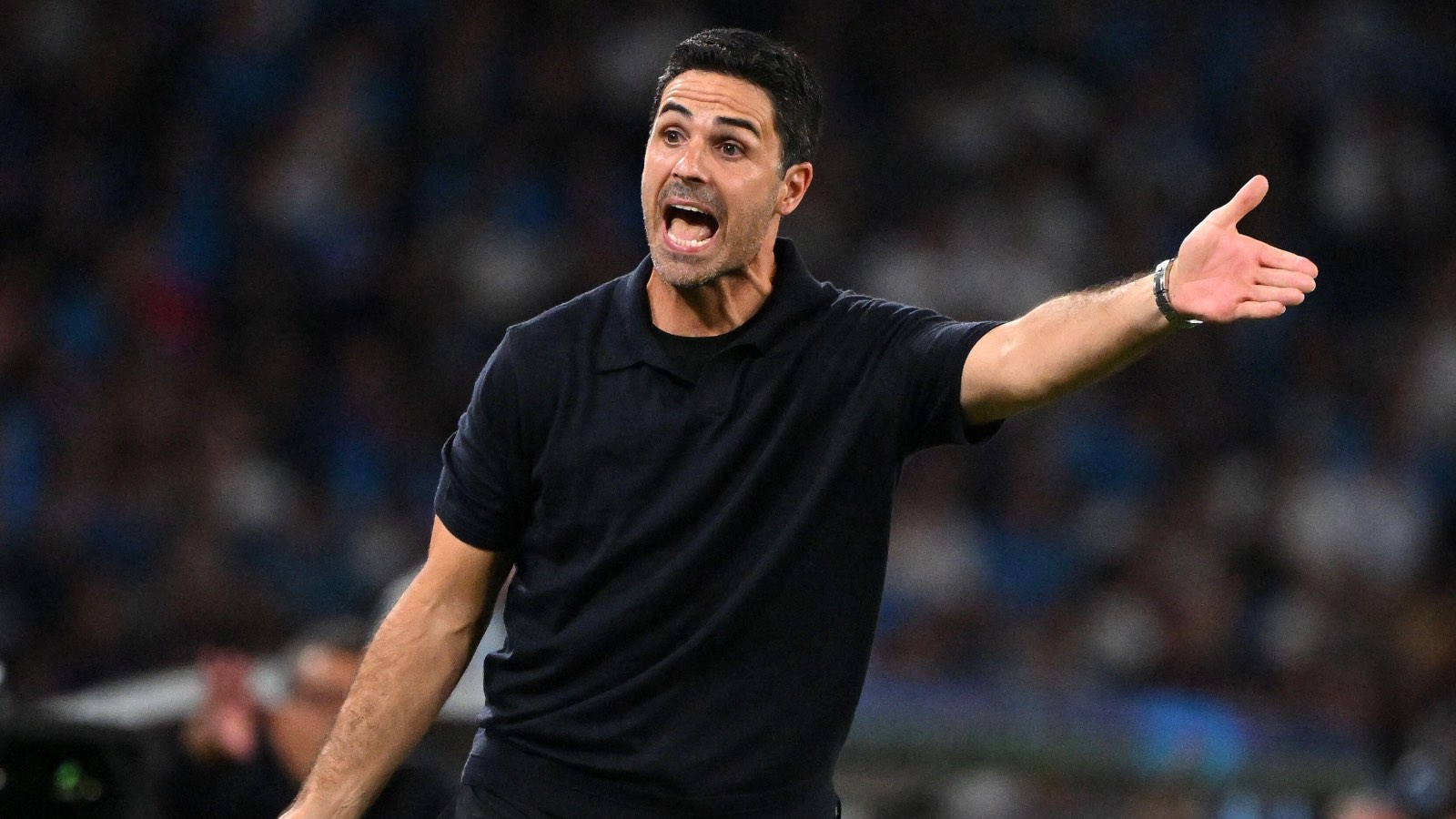
Mikel Arteta is stepping into his champion era with sharp elbows and zero interest in making friends. Arsenal walked out of the Stadium of Light with a hard-fought win on Saturday evening, but you would never have guessed it from their manager's post-match press conference.
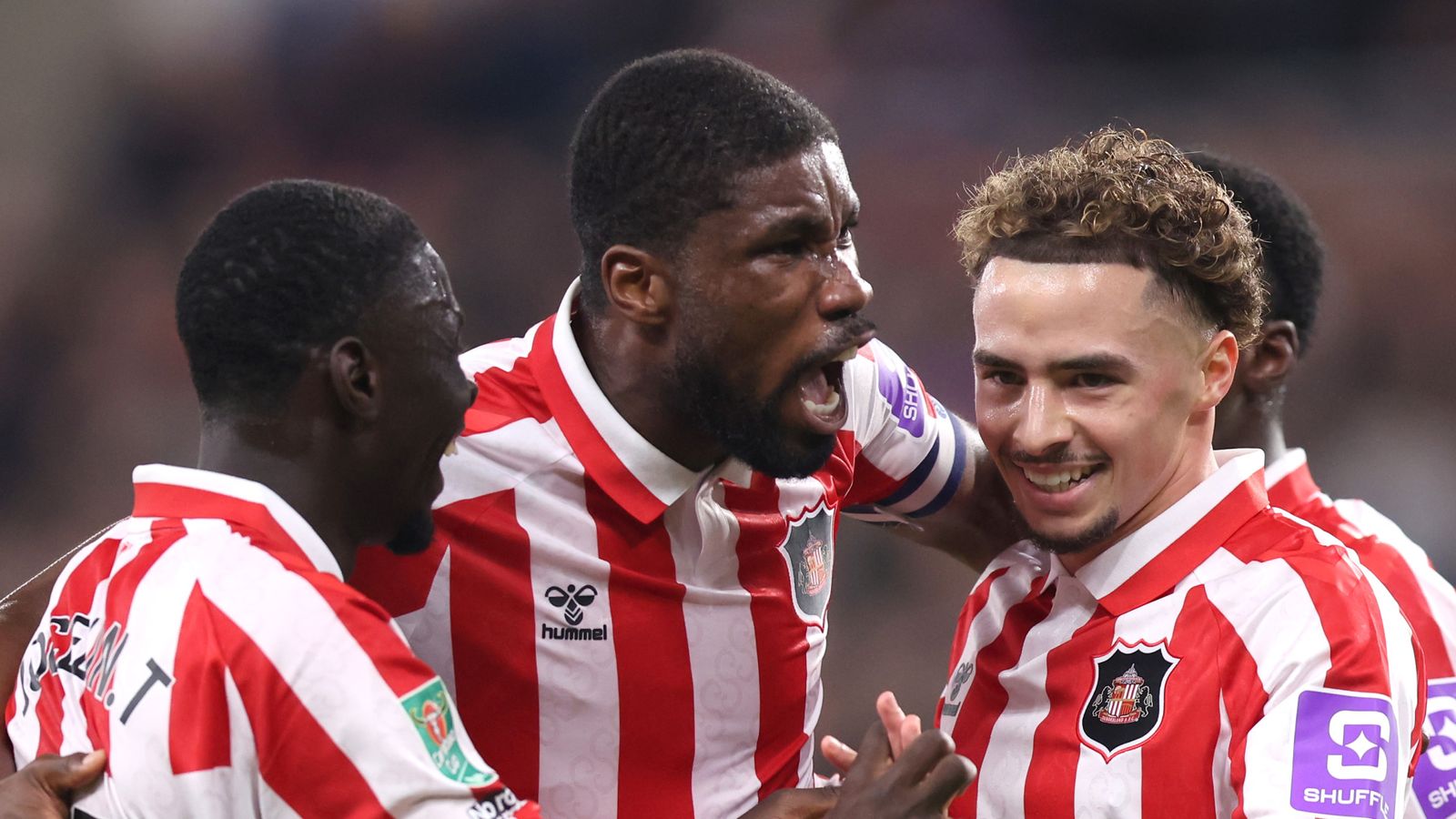
The Gunners had just navigated a grueling eight days featuring fixtures against Chelsea and Napoli. They ground out a 2-0 victory over a well-drilled Sunderland side, breaking the deadlock through a long-range Bruno Guimaraes strike in the 58th minute before Bukayo Saka sealed the points with a penalty in the 8th minute of added time.
Sunderland manager Regis Le Bris had his team superbly organized, creating real problems for the visiting champions throughout a heated match. Yet instead of celebrating a fourth consecutive victory to start their title defense, Arteta directed all his energy toward match official John Brooks.
A controversial second-half penalty awarded to Sunderland left the Spaniard incandescent despite David Raya parrying Enzo Le Fee's spot-kick onto the left post. Arteta treated the decision like a major crisis rather than an erased error.
Analyzing the post-match fallout on Monday Night Football, Jamie Carragher compared Arteta's aggressive media strategy to the psychological warfare famously deployed by Sir Alex Ferguson.
"This was Mikel Arteta becoming the Alex Ferguson of the Premier League right now. He's the don at the moment; he's the Premier League champion."
Carragher hit the mark precisely with that assessment. Having managed Arsenal for six years, Arteta now possesses the standing to command headlines and pressure refereeing authorities. When Ferguson ruled English football, he treated every whistle as a battleground to protect his squad.
Former Luton, Middlesbrough, and Wolves manager Rob Edwards endorsed Carragher's view during the broadcast. Edwards noted that officials and media figures naturally listen when a Premier League champion speaks with such raw intensity. Arteta recognizes that controlling the narrative off the pitch directly benefits his players on it.
A Calculated Campaign: Why Champions Fight Every Penalty
To understand why Arteta exploded after securing three points, you have to examine the penalty incident itself. Sunderland defender Dan Ballard tangled with Ezri Konsa inside the area, convincing Brooks to point to the spot.
Video replays told a markedly different story than the initial whistle suggested. Ballard appeared to grab Konsa first, pulling the Arsenal defender down on top of him as both players fell. Edwards pointed out on television that Ballard knew exactly what he was doing.
Arteta was so appalled by the call that he openly questioned how VAR failed to intervene. He revealed after the match that he had rewatched the footage 20 times in his office, insisting that such errors cannot be tolerated at the top level.
"This is not acceptable at this level. I watched it 20 times and I cannot find a way to understand how they think to give a penalty in that situation."
As Football365 reported, Arsenal have formally contacted Pro Ref and refereeing chief Howard Webb to demand an explanation. Their frustration stems from a desire to maintain the strict officiating standards they benefited from during their championship campaign.
Arsenal did not concede a single penalty across their entire title-winning run last season. Arteta knows how razor-thin the margins are in modern football, where one bad call can reshape a title race.
Some rival supporters have dismissed Arteta's press conference as insufferable theatrics from a winning manager. Their annoyance is understandable, as hearing a coach complain after a 2-0 victory can feel exhausting.
However, dismissing this as mere whining misses the broader tactical calculation. By turning a saved penalty into a national debate, Arteta ensures that every referee handling Arsenal's upcoming matches will hesitate before blowing a marginal call in their box.
The Brutal Squad Depth That Left Myles Lewis-Skelly Exposed
While refereeing debate dominated post-match coverage, Saturday's fixture also highlighted the ruthless nature of Arsenal's squad depth. Young defender Myles Lewis-Skelly learned how quickly momentum can shift at an elite club.
Lewis-Skelly started the season playing key minutes while summer signing Bruno Guimaraes recovered from a minor injury. Fears had surfaced in the summer that Lewis-Skelly might seek an exit following the arrivals of Guimaraes and Piero Hincapie.
That temporary security vanished across forty-five uncomfortable minutes at the Stadium of Light. Lewis-Skelly struggled against Sunderland's energetic pressing, looking off the pace before Arteta replaced him with Guimaraes at half-time.
Guimaraes provided immediate composure upon entering the match, scoring the opening goal from distance and completely controlling the tempo. The contrast between the two halves demonstrated the gap between a promising teenager and an established international star.
Former Premier League forward Jermaine Defoe offered a sharp critique of Lewis-Skelly's situation on Premier League Productions. Defoe warned that Lewis-Skelly might struggle to regain his starting spot for months.
"He might not get back in the team now... If you get an injury, you might not get back in the team. Or if you're off it a little bit like Myles was in the first-half, you get dragged off."
Defoe pointed to the talent sitting on Arsenal's bench, including Eberechi Eze, as evidence of how high the bar has risen. When elite international players cannot make the starting lineup, a single weak half leaves a young player exposed.
Matthew Upson offered a defensive counter-argument, praising Lewis-Skelly's mental strength and professional attitude. Upson insisted that squad players at top clubs must handle rotation and work relentlessly to earn their next opportunity.
Still, Arteta's decisive half-time change proved that sentiment takes a back seat to performance when titles are on the line. Lewis-Skelly is a bright prospect, but sitting on your heels for 45 minutes carries heavy costs in this team.
Officiating Chaos: Why VAR Is Losing the Room Across the League
Arsenal's formal complaint to Pro Ref arrives amid a broader crisis for English refereeing. Public trust in video review hit a new low over the weekend following several high-profile blunders across the Premier League.
The controversy surrounding Erling Haaland's winner in the Manchester Derby forced Pro Ref to issue an official apology. VAR overturned an on-field offside ruling despite Enzo Fernandez standing in an offside position that clearly interfered with play.
Former Manchester United captain Wayne Rooney voiced the frustration felt by millions of supporters while analyzing the incident on Match of the Day. Rooney questioned how video officials could fail to spot basic offside positioning.
"I'm just so sick of this VAR. I think it's horrendous. It's taken all the emotion out the game, the energy that the game is played with."
Peter Schmeichel went even further on Viaplay, demanding that football authorities scrap video review entirely. Schmeichel argued that lengthy checks prevent players and supporters from celebrating goals spontaneously.
"I wish that we could scrap VAR. We've got into a system now where VAR and the referees are the most important people in football. It sucks all the energy out of it."
The growing list of refereeing errors across the league explains why managers are taking matters into their own hands:
- VAR overturning clear offside calls in major derby matches.
- On-field referees awarding penalties for attacker-initiated contact.
- Protracted video reviews destroying match rhythm and fan experience.
Arteta's outrage at John Brooks is not an isolated incident; it is part of a widespread rebellion against technical incompetence. Managers are no longer willing to quietly accept mistakes that can cost millions of pounds and championship titles.
As Arsenal gear up to host Brighton in their next fixture, match officials will be under intense scrutiny. Arteta has set a firm standard: he expects accountability from Pro Ref, and he will challenge every decision that undermines his team.
Whether you admire Arteta's relentless focus or find his media rants tedious, one fact is clear. Arsenal possess the squad depth, tactical ruthlessness, and managerial authority required to defend their title, and they will fight for every advantage possible.
Read Next
- Arsenal's row with Pro Ref shows how high the refereeing stakes are
- Top 10: Premier League Refereeing Moments Shaping Arsenal's Title Era
- Martin Zubimendi is stuck on Arsenal's bench and Real Madrid are circling
- Arsenal won ugly at Sunderland, but their striker problem isn't going away
- 🏟 EFL Championship 2025-26 — Promotion Race & Play-Off Final Hub
- ⭐ UCL 2026 — Champions League Quarter-Finals Hub