The durability conundrum
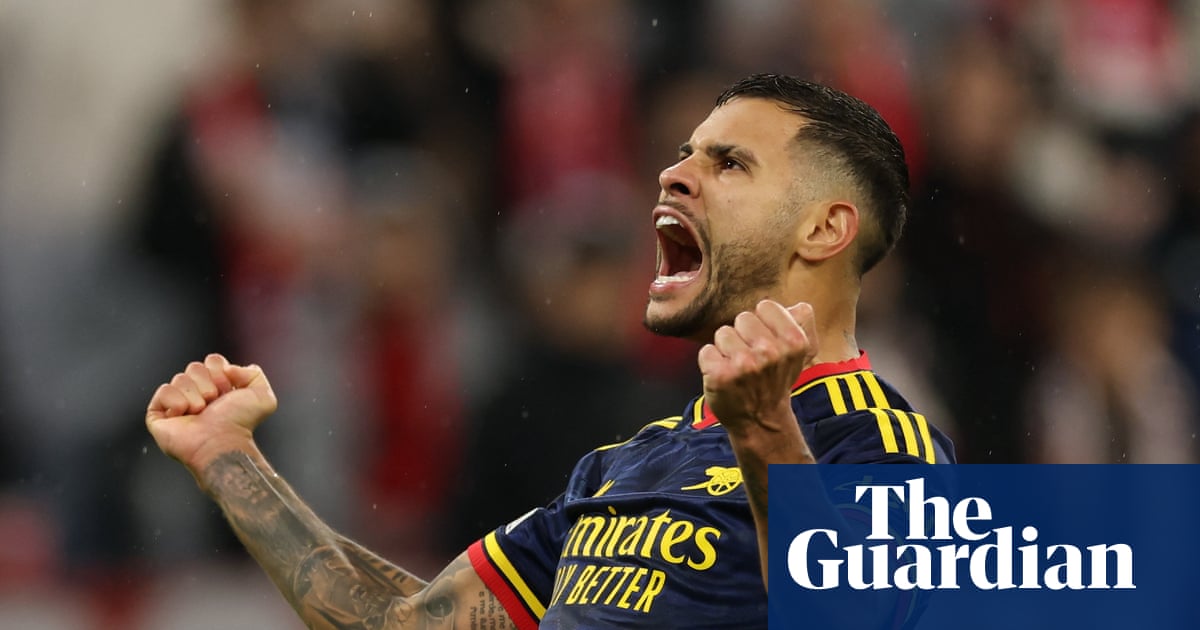
Michael Olise is currently a primary target for clubs tracking elite wide-forward depth, but his medical history provides a sober counterpoint to the hype. Since joining Bayern Munich, the France international has struggled to maintain a consistent run of matches due to recurring muscular issues. Premier League clubs scouting his availability this July are weighing his technical ceiling against a well-documented fragility that has plagued his career since his time at Crystal Palace.
Defining the risk profile
The core issue remains soft-tissue instability. Olise suffered multiple hamstring setbacks during his final eighteen months in London, limiting him to just 19 Premier League appearances during the 2023-24 campaign. While his output—10 goals and 6 assists—was elite, that efficiency comes with an asterisk. He missed 21 matches last season alone due to grade-three tears.
Bayern Munich officials are reportedly aware that any immediate return to England hinges on medical clearance that mirrors his current rehabilitation protocol. The German giants have been protective, opting for conservative return-to-play timelines rather than rushing him back for domestic cup fixtures. This caution is reflected in the fact that he was sidelined for a total of 150 days between February 2023 and July 2024.
The strategic misalignment
Liverpool’s interest, as noted by The Mirror, highlights a broader issue in high-intensity recruitment. Clubs demand high-press capability, a style that puts massive load on the hamstrings and calves of wide attackers. Olise’s game is built on explosive acceleration and sharp deceleration. These specific physical demands appear to be exactly where his anatomy fails to keep up with his technical ambition.
Historically, this scenario rarely ends well for the acquiring club. Teams that chase players with recurring grade-two or grade-three hamstring injuries often find their season-long plans derailed by February. Think of Naby Keïta or Jack Wilshere—players with immense talent whose tactical utility was neutered by an inability to sustain 90-minute outputs over a 38-game schedule.
Market skepticism
The valuation gap is widening. While Olise remains a sought-after commodity, his recurring injury status suggests his transfer fee may not reach the heights of a fully healthy, elite-tier wideman. Scouts have noted that his recovery mechanics remain a topic of contention within internal medical reviews. Bayern’s front office has been vocal about the need for specific management, effectively putting rival clubs on notice regarding the depth of his medical file.
The critical observation here is one of risk management. Signing a player like Olise is an expensive gamble on a medical lottery. If he can maintain fitness for 30-plus league starts, he is arguably a top-five winger in the world. If he remains on a cycle of returning for four games and missing six, he becomes an albatross on the wage bill. The math simply does not favor the buyer at current market prices.
Ultimately, any club moving for Olise is betting against his biological history. His talent is undeniable, but it is currently shackled to a physiological cycle that has proven resistant to standard recovery methods. Until that changes, potential suitors are looking at a player who functions more as a luxury rotation piece than a foundational starter. Liverpool and peers are realizing that talent without availability is, by definition, a diminishing asset.
Read Next
- This Week in Football: Iraola's Start and Arsenal's Ambition (Jul 20–Jul 26, 2026)
- Arsenal's Vinicius Jr pursuit centers on Real Madrid contract tension and fitness concern
- Academy controversy puts Wolves prospects under the microscope
- Morgan Rogers picked Chelsea for £117m but Liverpool was the dream fit