Pre-season penalties expose tactical gaps
Enzo Maresca inherited a juggernaut, but his opening Manchester City bow against Inter Milan in Hong Kong offered a sobering reality check. The match ended in a 1-1 draw before a penalty shootout loss, a result that highlights the immediate friction between Guardiola-era structural familiarity and Maresca’s evolving instructions.
While pre-season results are historically fickle, the defensive line looked porous during transition. City conceded an xG of 1.4 against an Inter side that exploited the half-spaces between the full-backs and the holding midfielder. Without Rodri anchoring the base—whose potential exit remains the subject of intense speculation—the rhythm of the team felt disjointed.
The Foden factor
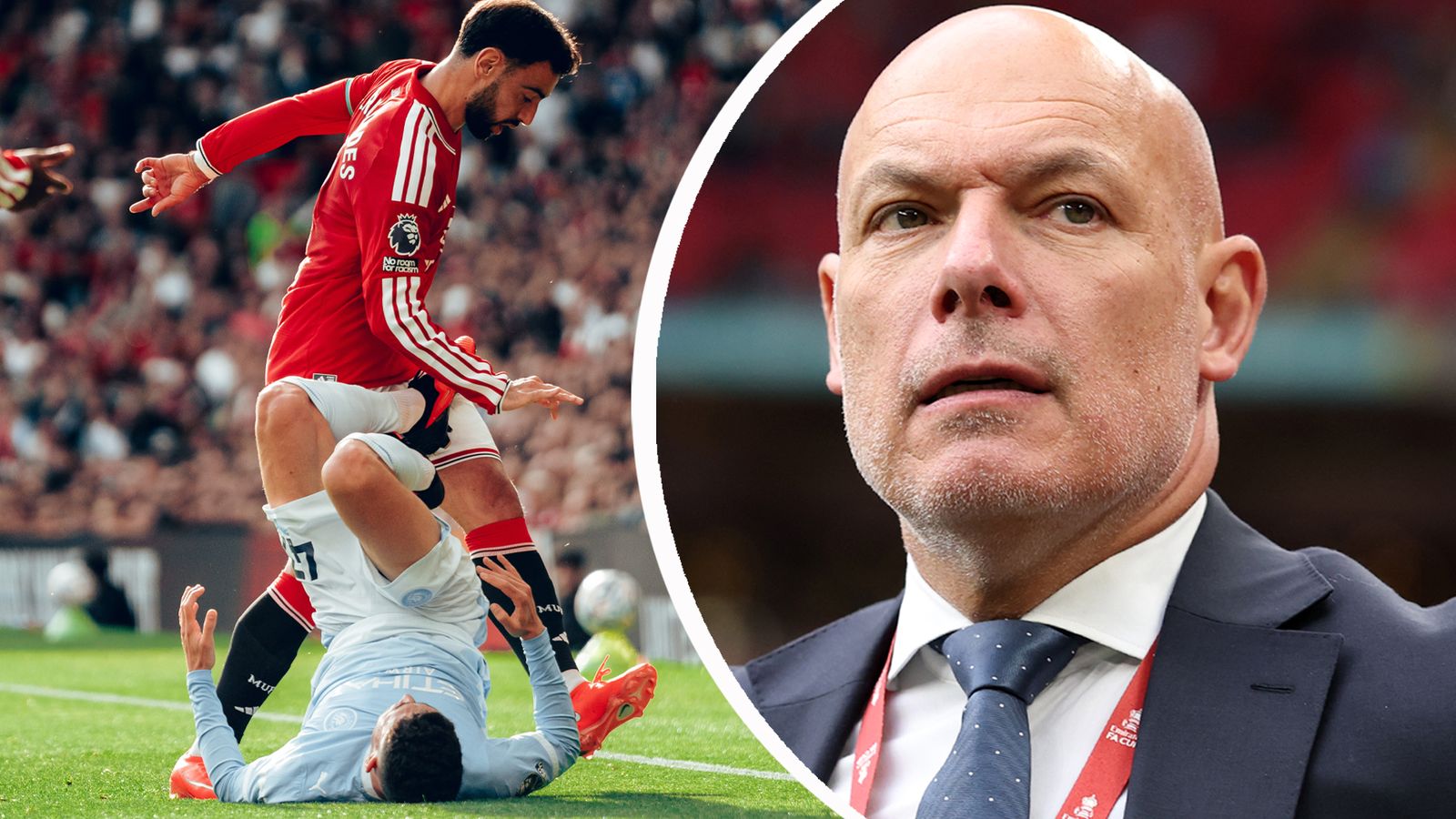
Phil Foden’s stated ambition to repay the club's faith is vital, yet his role requires urgent refinement. In the Hong Kong friendly, Foden registered a pass completion rate of only 78% in the final third, a sharp drop from his 86% average last season. He looked uncomfortable drifting inside, often operating in congested zones where space was minimized by Inter's low block.
Maresca is pushing for a more direct verticality than his predecessor. City’s long-pass volume increased by 12% compared to last season’s opening summer fixtures. While this aims to bypass the press quicker, it resulted in 14 turnovers in their own half during the first 45 minutes alone.
Manchester United provide a contrasting trajectory
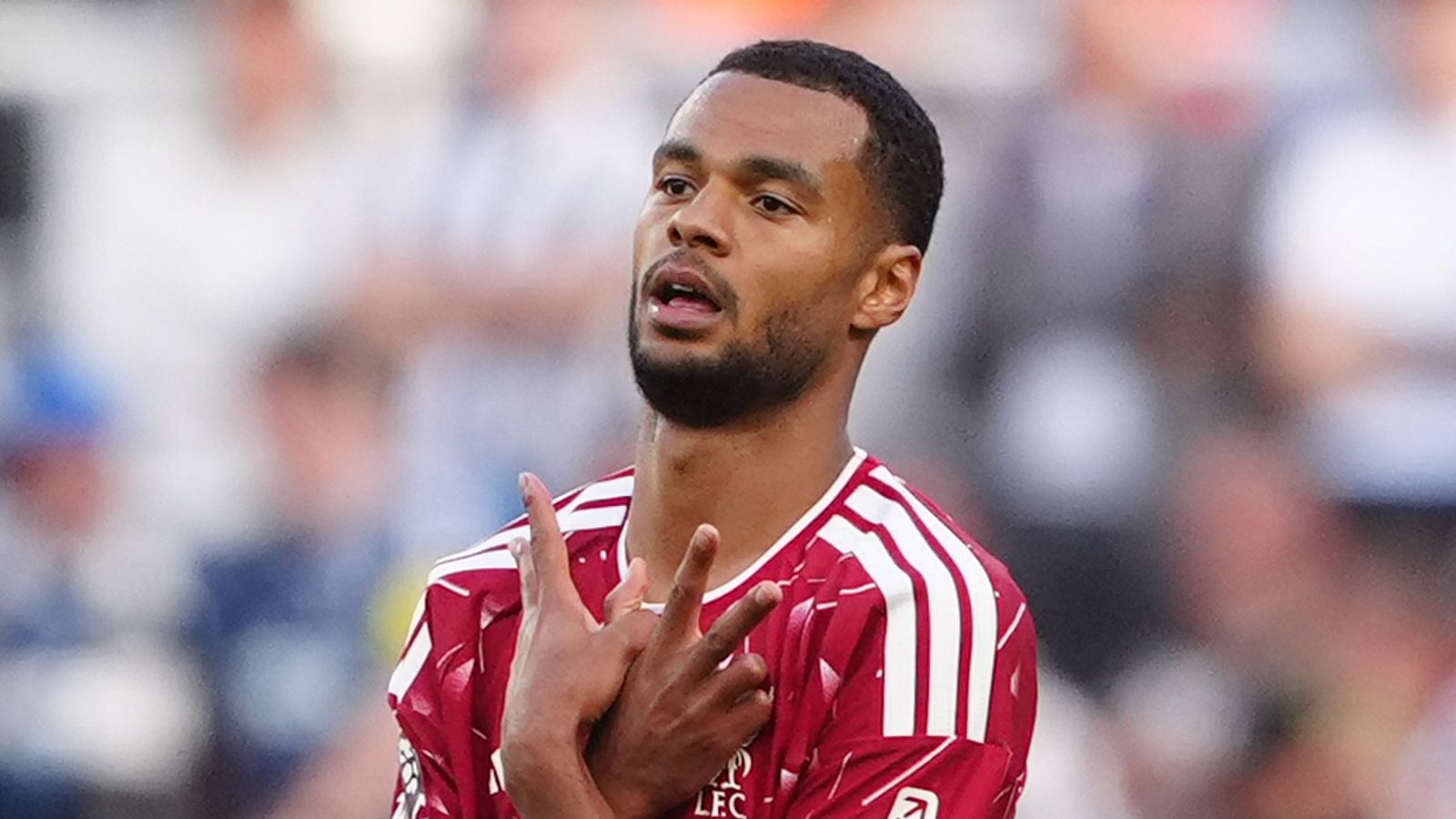
While City struggled, Manchester United’s performance in the 2-0 victory over Atletico Madrid suggests a more clinical transition. Bryan Mbeumo’s brace in the Snapdragon Cup wasn't just a byproduct of luck; he maintained an impressive conversion rate of 40% throughout the match.
The contrast in tactical stability is evident. United’s midfield, anchored by a resurgent Mason Mount, controlled 58% of the possession. For a team often criticized for chaotic transitions, this level of control in a high-profile friendly indicates a shift toward a more conservative, ball-retaining identity that contrasts sharply with Maresca’s current experimentation.
Data points on the transition
- City's penalty shootout loss in Hong Kong mirrors the technical inconsistency seen across their recent exhibition circuit.
- United's front line generated 2.1 xG against Atletico, nearly double the output of City’s attack against Inter.
- Maresca’s side has conceded in both of their last two appearances, ending a streak of defensive rigidity from late last season.
The defensive frailties observed are not merely fatigue. They are rooted in a lack of defensive coverage during the high-press transition phase. When City lose the ball, their recovery time is currently 3.4 seconds—a notable decline from the sub-3-second recovery standard maintained during their title run.
Maresca faces a difficult internal conflict. He must either revert to a familiar, lower-risk pivot system or persist with a high-risk, vertical transition style that leaves the back four exposed. If the latter persists, early-season points may be dropped while the squad learns to balance the defensive line against the new attacking urgency.
Read Next