The shadow on the touchline
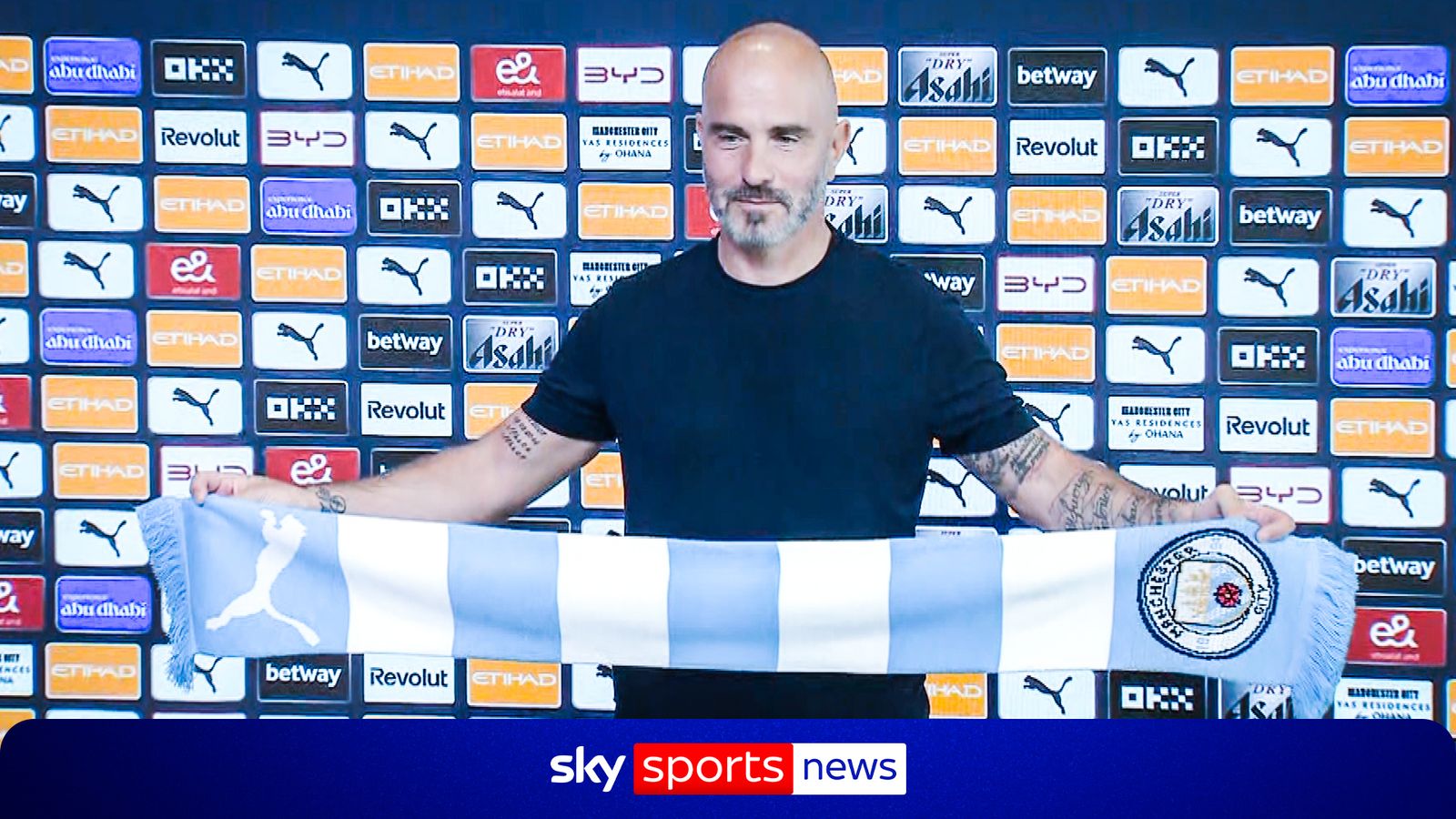
Stepping into the press room at the Etihad carries a distinct weight when you are expected to outline a vision following Pep Guardiola's standard. Enzo Maresca did not flinch during his first official news conference, maintaining a calm demeanor that contrasted sharply with the noise surrounding his appointment. But quiet confidence on a Thursday afternoon rarely survives a rainy Sunday when the opposition mid-block refuses to budge.
Maresca spoke clearly about his tactical principles, emphasizing spatial discipline and ball retention. Yet the subtext was obvious to anyone watching the board behind him. He isn't just managing squad rotations; he is inherited a technical system built around precise spatial mechanics that break down the moment one gear slips.
The structural void in central midfield
The immediate tactical puzzle is not pressing intensity or wing play—it is the gaping hole in front of the center-backs. With Rodri sidelined following back surgery, City lose their single most important tactical safety net. Last season, Rodri averaged 111.3 touches per 90 minutes while maintaining a 92.4% pass completion rate under pressure.
Without him, Maresca's obsession with geometric progression faces a brutal reality check. Replacing that level of structural security isn't a matter of dropping another midfielder into the pivot. It requires altering how City build out from the back entirely. If the central space isn't protected during defensive transitions, City's high line becomes an open invitation for counter-attacking teams.
Tactical compromises and the wide threat
Jack Grealish and Chelsea were both prominent talking points during Maresca's media debut, highlighting two distinct tactical challenges. Grealish's ability to pause play and draw double coverage on the left flank offers the exact kind of control Maresca craves. But control without penetration leads to sterile possession—a trap Guardiola occasionally fell into and one Maresca must actively avoid.
Against top-tier opposition, City cannot afford to let their possession turn into U-shaped circulation around the penalty area. Chelsea demonstrated late last season how quick vertical passes through the half-spaces can exposed a defensive structure that over-commits numbers forward. Maresca knows this better than anyone, having watched those exact transition moments from the opposition bench.
The Verdict
Maresca has the theoretical framework down, but football matches are won in the friction between ideal shapes and live opposition pressure. Without Rodri to absorb transitions, City will look far more vulnerable than their possession stats suggest. Expect a cagey opening period where Maresca prioritizes possession security over high-risk forward passes, resulting in a tight 1-0 win that raises as many tactical questions as it answers.