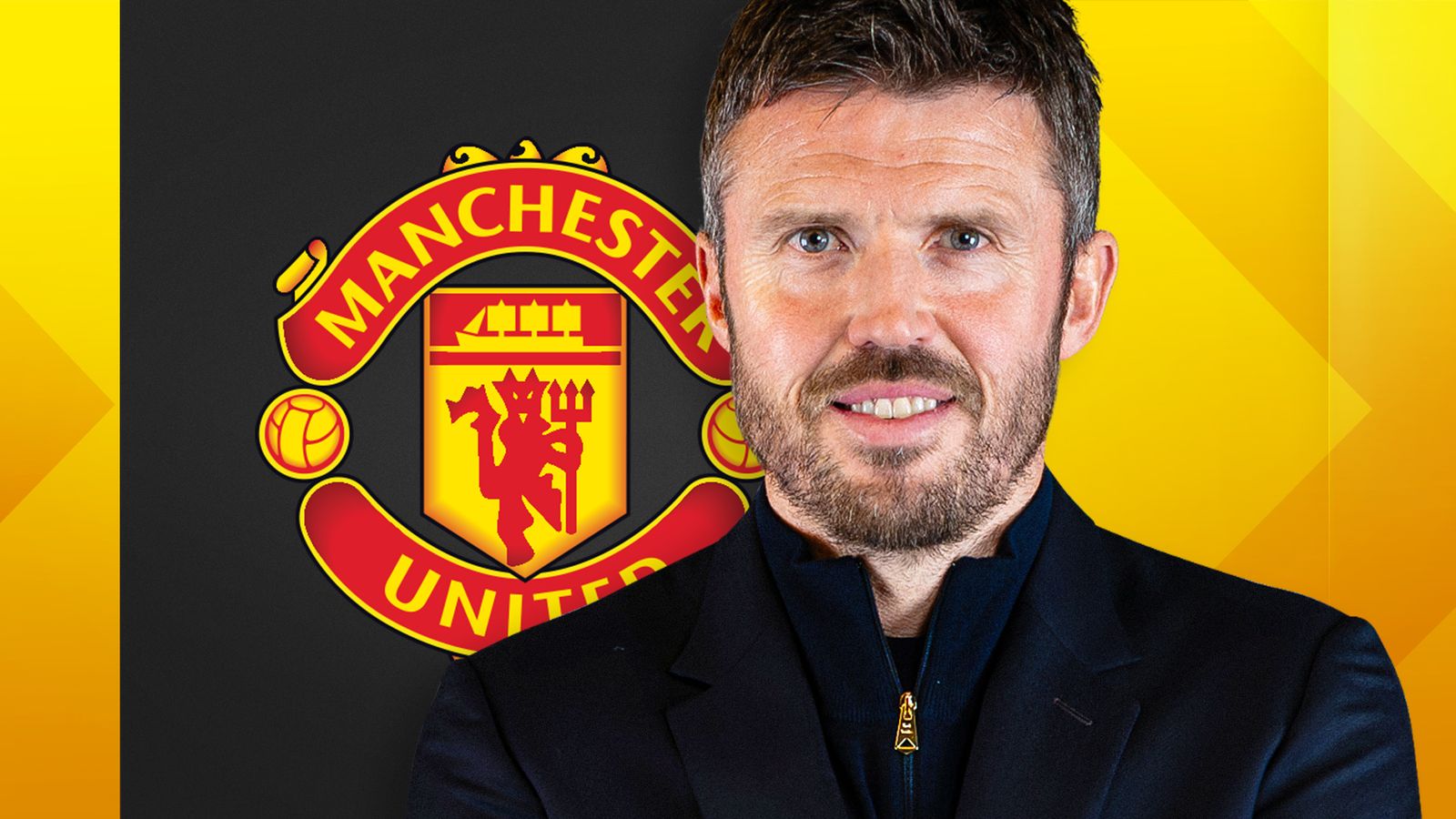
The scramble for a new engine room
Erik ten Hag is not subtle about his requirements. The Manchester United manager has identified a third midfield target this summer, a signal that the overhaul of the club's central spine is move-by-move aggressive rather than gradual. Following early inquiries for targets that would stabilize a porous defensive pivot, the club is now betting heavily on fresh legs to fix the transition issues that plagued their 2025/26 campaign.
As reported by the Mirror, United has set aside the hesitation of previous windows. The front office is moving toward a medical for a primary target, suggesting the administrative side of the recruitment process has finally found some rhythm. It is a necessary shift. Last season, United conceded an average of 1.4 goals per game, a direct result of disjointed pressing triggers that left their back four isolated against top-six attacks.
The tactical shift requires instant impact
Ten Hag is clearly moving away from the double-pivot configuration that offered defensive stability but restricted forward passing lanes. The goal is to move to a more vertical, 4-3-3 structure that demands high-volume ball recovery. If this third midfield signing is indeed the progressive ball-carrier the scouting reports suggest, they must hit the ground running upon arrival.
There is a risk in this strategy. By prioritizing deep-lying playmakers, the club might leave themselves vulnerable to counter-attacks if the transition from offense to defense remains slow. We saw too many games last season where the midfield distance grew beyond 20 meters, turning the pitch into a playground for opposition wingers. The new recruit needs to close that gap to 12 meters or less to be considered a success.
The reality of the medical room window
Timing is everything in the July transfer market. With the season opener less than a month away, integrating a recruit who hasn't participated in pre-season training camps is a gamble. Bringing a player through a medical now gives the training ground staff exactly four weeks to calibrate the tactical responsibilities of the new arrival.
The club has been burned by rushed signings before, players who arrive with high expectation but zero tactical fit. The board's willingness to finalize three separate deals indicates they are done gambling on individual quality alone. They are now, finally, trying to build a collective unit that functions under pressure. Whether this group can handle the intensity of the Premier League schedule is another question entirely.
The verdict on the summer rebuild
I suspect this aggressive pursuit is a direct response to the lack of control in last summer's engine room. If they secure the player undergoing these medical checks, they will finally have the personnel to dominate the middle third. However, talent does not equal cohesion. A team that finished with a measly +8 goal difference is not one that can afford to wait for a bed-in period.
My prediction is that United will struggle to find balance before October, regardless of who signs. They are adding components to a machine that still needs a full re-alignment of its internal mechanics. They may win individual duels, but a cohesive tactical unit takes time to breathe. Expect a high-scoring, chaotic start to the season while these fresh legs adjust to the unforgiving pace of the domestic schedule.