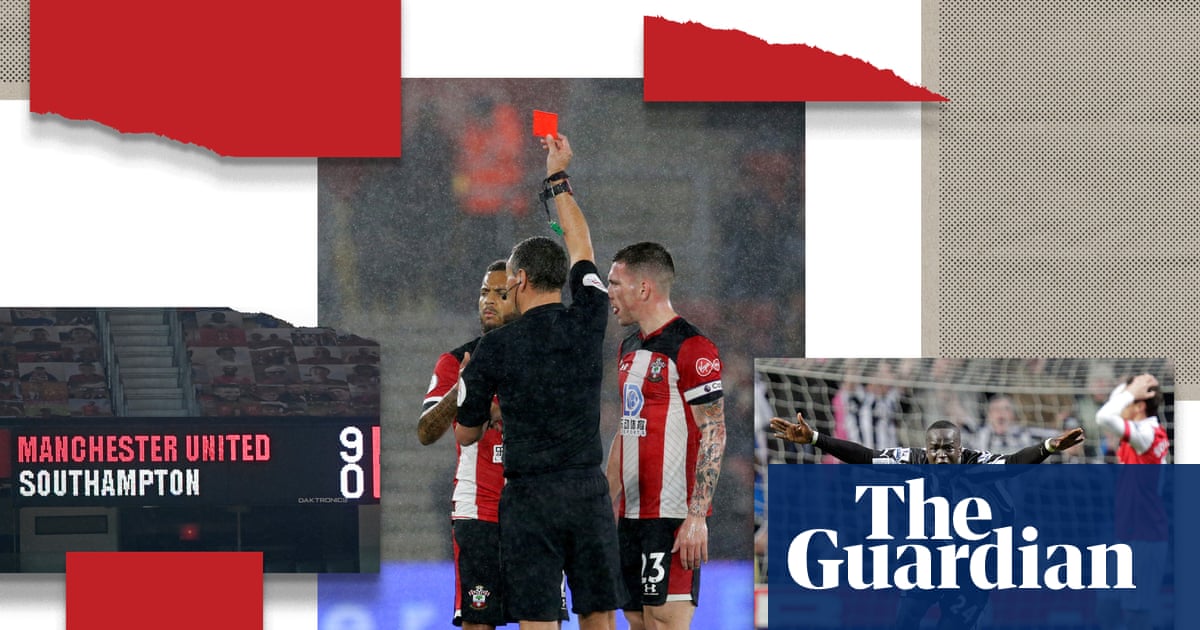
Manchester United's goalkeeper clearout exposes an erratic recruitment strategy

The revolving door at Old Trafford stops for nobody
Manchester United are pushing ahead with a complete restructuring of their secondary goalkeeping department. Altay Bayindir and Radek Vitek are both on the verge of departure following the arrival of two new goalkeepers to back up Senne Lammens. It is a rapid shifting of chess pieces, but one that highlights the relentless churn within their squad construction.
Bayindir never truly established himself as a trusted starter, functioning as a peripheral option when the workload spiked. Vitek, meanwhile, represents another young prospect moving through the development pipeline without securing a permanent foothold in the first-team picture. Moving both players out simultaneously signals a clean slate, but it raises questions about long-term planning.
Tactical reshuffling or structural panic?
Replacing two secondary keepers in a single window indicates an unwillingness to settle for incremental updates. The incoming arrivals suggest United want immediate depth suited to higher pressing lines and sharper distribution from the back. Yet, constant turnover in peripheral positions often points to earlier mistakes in target identification rather than a deliberate tactical masterclass.
Senne Lammens remains the established starting figure, but the defensive structure in front of him relies heavily on seamless communication. Constantly altering the dynamic of the training group behind the starting goalkeeper can disrupt match preparation and subtle positional understandings during set-piece drills. The administrative machinery at Old Trafford moves fast, but efficiency should not be confused with coherent long-term strategy.
The reality of squad management
Modern squad building requires calculated patience rather than reactive replacement cycles. When a club clears out two depth options in one stroke, it exposes how little value was extracted from previous investments like Bayindir. As United finalize the medical checks and contract details, the focus shifts to whether this new hierarchy will bring lasting stability or simply set up another overhaul two seasons down the line.
Read Next
Soccer Fans Scarf - European Football Clubs Fan Winter Warm Scarf
The essential accessory for match-day rituals and stadium chants.
Frequently Asked Questions
Which goalkeepers are leaving Manchester United?
Who is currently Manchester United's starting goalkeeper?
Why is Manchester United replacing two secondary goalkeepers in one window?
How could changing backup goalkeepers impact Manchester United's performance?
What does the goalkeeper clearout reveal about Manchester United's strategy?
More Coverage

Spurs are in total meltdown mode after Aston Villa horror show
an hour ago
Why sending Max Dowman to Jack Wilshere at Luton is Arsenal's best option
3 hours ago
JJ Gabriel is flying to Barcelona while Shea Lacey earns his stripes
6 hours ago
Aston Villa's £43m chase for Alejandro Garnacho is getting serious
9 hours ago
Shaun Wright-Phillips on Strictly is a reminder of football's lost wingers
12 hours ago
Dom Hyam faces a critical turning point at Wrexham after Scotland snub
1 day, 8 hours agoMore Analysis
Dom Hyam faces a critical turning point at Wrexham after Scotland snub
1 day, 8 hours ago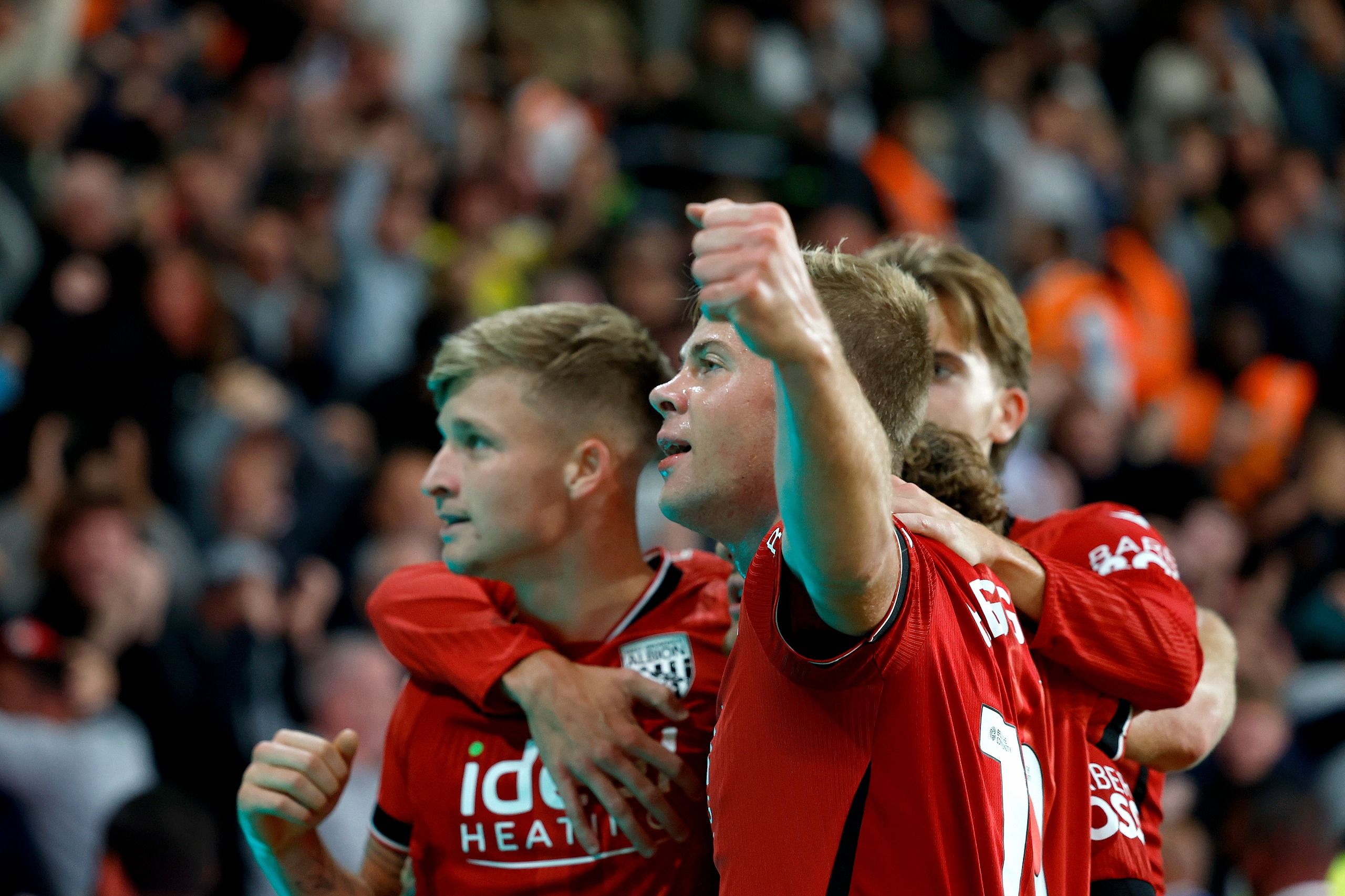
Jimmy-Jay Morgan's West Brom move is paying off faster than expected
1 week, 1 day ago
Richarlison wants out of Tottenham and he is ready to take Spurs to court
1 week, 2 days agoReplacing Rafael Leao with Omari Hutchinson is AC Milan's wild gamble
1 week, 2 days ago
Chelsea's midfield is in ruins while Xabi Alonso placates Estevao
1 week, 3 days ago