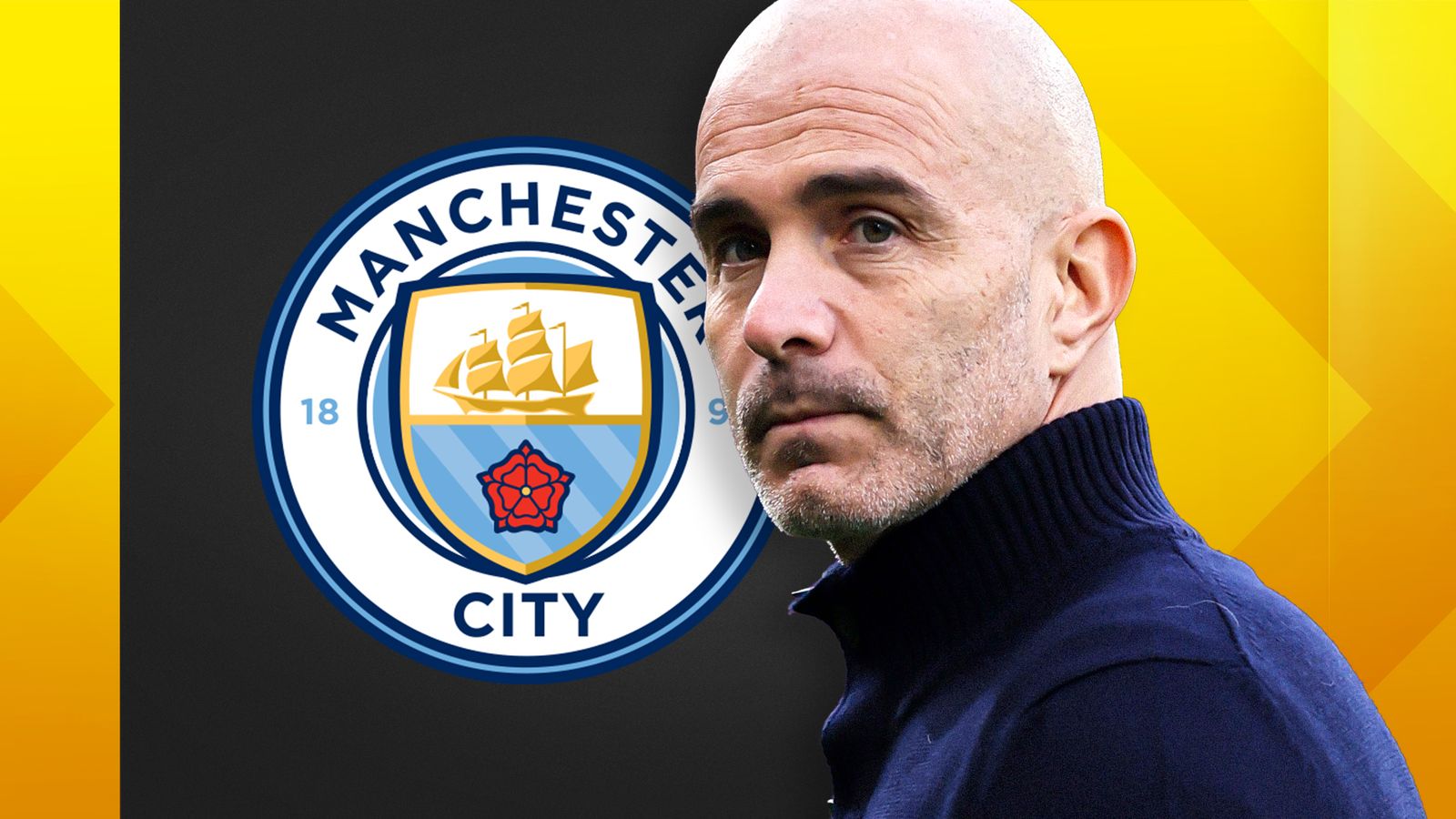
The new look at the Manchester City training ground
Manchester City has confirmed a tactical shift within its technical department today, July 9, 2026. The club officially announced the appointment of a former goalkeeper to join Enzo Maresca's coaching staff. This move signals a deliberate effort to deepen the specialized training protocols currently employed at the City Football Academy.
The integration of former players into the coaching hierarchy is a recurring theme at City, but this specific appointment targets a deficiency in high-press breakdown drills. By bringing in a figure familiar with the club’s institutional philosophy, Maresca ensures his methodology is adopted without friction. The transition period is expected to be immediate as the squad prepares for the upcoming competitive calendar.
Why this matters for the current rotation
Maresca is clearly prioritizing defensive distribution and reaction speed. During the most recent Premier League cycles, the club faced criticism for lapses in clearing play under heavy pressure. If you review the latest updates from Sky Sports, you can see how this move fits into a broader strategy of staff refinement. It is not just about keeping the ball, but about the transition moments that define modern top-flight football.
Critics will point out that adding technical staff doesn't fix personnel gaps. If the recruitment team misses on key defensive targets, no amount of specialized goalkeeper coaching will plug the holes in the back four. There is a genuine concern that City is over-indexing on internal appointments rather than seeking external expertise to evolve their tactical approach. Relying on the old guard creates a comfort zone that may leave the team vulnerable to more innovative tactical setups across the division.
The history behind the move
The individual returning to the fold brings years of professional experience, having served under various managers before transitioning into individual training roles. Their knowledge of the club's culture is an asset, yet it also invites risks of insularity. Maintaining a fresh perspective is vital for a team aiming to stay ahead of domestic rivals.
Players have reportedly responded well to the internal promotion. In closed-door sessions, the focus has shifted toward refining the distribution patterns that start from the goalkeeper’s own area. This is a direct reaction to the 14 percent increase in high-pressing turnovers noticed in opponents throughout the last season. If City intends to retain their position at the summit, these minor adjustments are the difference between dropped points and clean sheets.
This appointment should be viewed as an attempt to stabilize the defensive hierarchy. While the wider transfer window remains volatile, securing the staff room is the first priority. Expectations remain sky-high for Maresca this term; he has no room for a slow start regardless of who is standing on the sidelines with him. The club's efficiency in managing their own house during the quiet portion of the July window shows they continue to operate with a focus on internal consistency.
We have seen other top-four clubs struggle when they lose the backbone of their technical assistants. By locking in a familiar face who understands the high demands of the City setup, they are attempting to mirror the success found during the treble run. Whether this provides the necessary edge remains secondary to the real test: performance under the lights when the league returns in favor of action.
Ultimately, the move is a bet on familiarity and technique over a drastic system overhaul. Maresca knows what he wants, and he has identified the necessary pieces to build it out. It is a calculated, low-risk administrative maneuver. Now, the burden shifts to the players who are tasked with executing the refined tactical plan starting this coming August.
Read Next
- Enzo Maresca is bringing the band back together at City
- Erling Haaland's tactical stagnation is hurting Man City's buildup
- Arsenal finally realized they have a Bruno Guimaraes sized hole
- The summer frenzy: Why the London elite are desperate for a fresh start
- ⭐ UCL 2026 — Champions League Quarter-Finals Hub