Tactical pivot at Old Trafford
Manchester United are reportedly recalibrating their summer recruitment strategy, moving away from long-term targets to prioritize fresh reinforcements. Recent reports indicate the club is ready to abandon one primary pursuit to dedicate resources to a high-profile striker. This shift follows persistent chatter surrounding the future of Marcus Rashford, whose potential exit would necessitate immediate attacking cover.
As Mirror Football recently outlined, Dusan Vlahovic has emerged as a focal point for the club’s front-office planning. The Serbian forward fits the profile of a classic target man who can anchor an offense, a distinct contrast to the more fluid, wide-ranging roles occupied by current incumbents. Integrating a player of his physical presence requires a structural adjustment to how the team transitions through the midfield.
The cost of ambition
Securing a player of Vlahovic's caliber is never a simple transaction. While specific wage structures remain internal, the valuation often associated with established Serie A strikers complicates the books. United’s front office is under pressure to balance the desire for a marquee name with the reality of lingering squad bloat. Any move for a £53m-rated attacker requires offloading existing contracts to avoid further scrutiny regarding league spending mandates.
The competition is stiff. Other clubs have tracked Vlahovic’s trajectory for seasons, often failing to reach an agreement on final terms. United’s late entry into the mix suggests a desperation to resolve the center-forward position before the window closes. However, relying on a late-stage acquisition carries inherent risks regarding physical readiness and tactical integration.
Probability and outlook
This pursuit sits in the Tier 2 category based on current reporting. While the intent from Old Trafford is clear, the actualization of such a move in the final weeks of the window faces significant friction. The club must contend with both the player’s personal preference and the potential intervention of rival European sides that have been monitoring his availability since the conclusion of the World Cup.
The timeline for a resolution is condensed. With the domestic season looming, internal deadlines are reportedly set for mid-August to ensure the medical team has enough time for proper vetting. If the move happens, the immediate impact would be a total reimagining of the United attack. The team would move toward a system emphasizing crosses and set-piece dominance, likely benching or selling smaller, technical attackers who cannot contribute to the aerial game.
The wider context
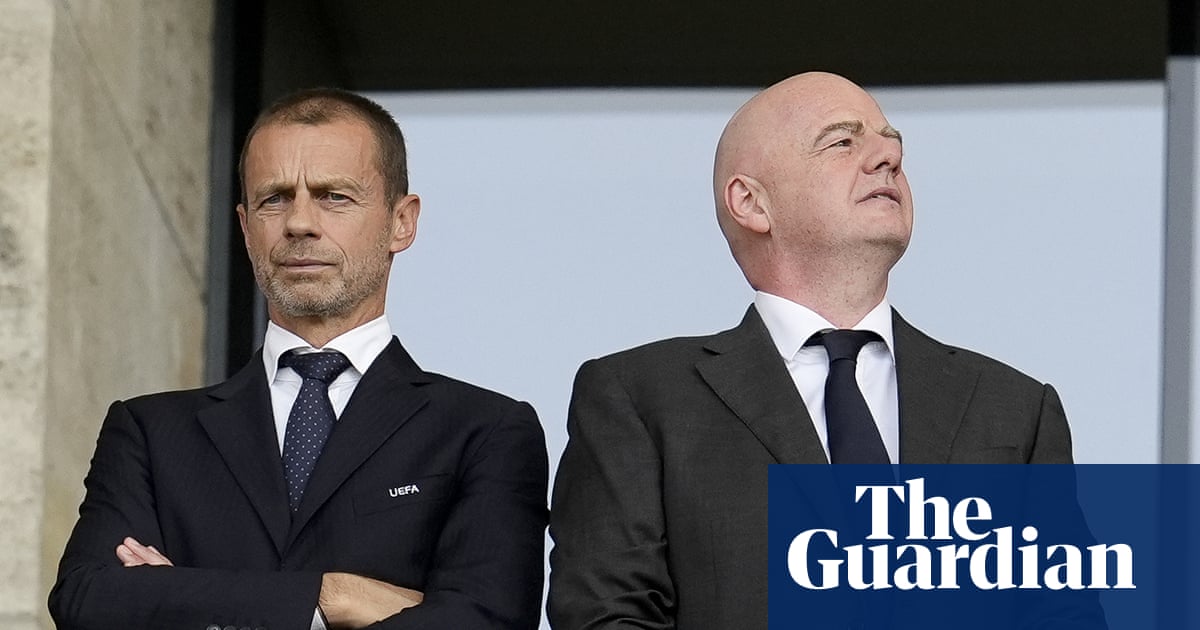
It is worth noting that the current transfer climate is being overshadowed by broader geopolitical and organizational instability in the game. As The Guardian reported, the ongoing friction between UEFA and FIFA continues to create a backdrop of uncertainty. While club-level transfers remain active, the threat of boycotts and the potential destabilization of FIFA competitions looms large over every negotiation involving international stars.
The failure to secure primary targets remains a criticism of the current administration. Relying on high-value transfers in the final days of the window is a gamble that has historically yielded mixed results at the club. Unless they secure the signature before the August 31st deadline, the fans will likely view the summer as a missed opportunity to build upon the previous season's finish.
Read Next
- Manchester United eye aggressive attacking overhaul as Rashford exits
- Chris Smalling eyes Premier League return after Saudi exit
- Man United pivot toward World Cup star as Vlahovic pursuit stalls
- Newcastle aren't blinking in the Lewis Hall transfer saga
- 🇸🇷 Serbia World Cup 2026 — Eagles Hub
- 🏆 Europa League Final 2026 — Full Coverage Hub