Liverpool's Barcola overhaul opens the door for City's Gakpo raid
Late August in the Premier League rarely yields quiet business, but the dominoes falling across elite clubs have reached an extraordinary pitch. Liverpool's aggressive reshaping of their attacking unit has suddenly triggered one of the most unexpected sagas of the summer. Having secured Spanish winger Victor Munoz from Osasuna earlier in the window, Anfield officials are now closing in on Paris Saint-Germain forward Bradley Barcola for £106m rising to £123m.
That nine-figure commitment signals a massive shift in Arne Slot's front line. Barcola brings explosive one-on-one pace to the left flank, but adding another marquee attacker creates immediate positional congestion. Recognizing an opportunity, Manchester City launched late negotiations to pull Cody Gakpo away from Merseyside.
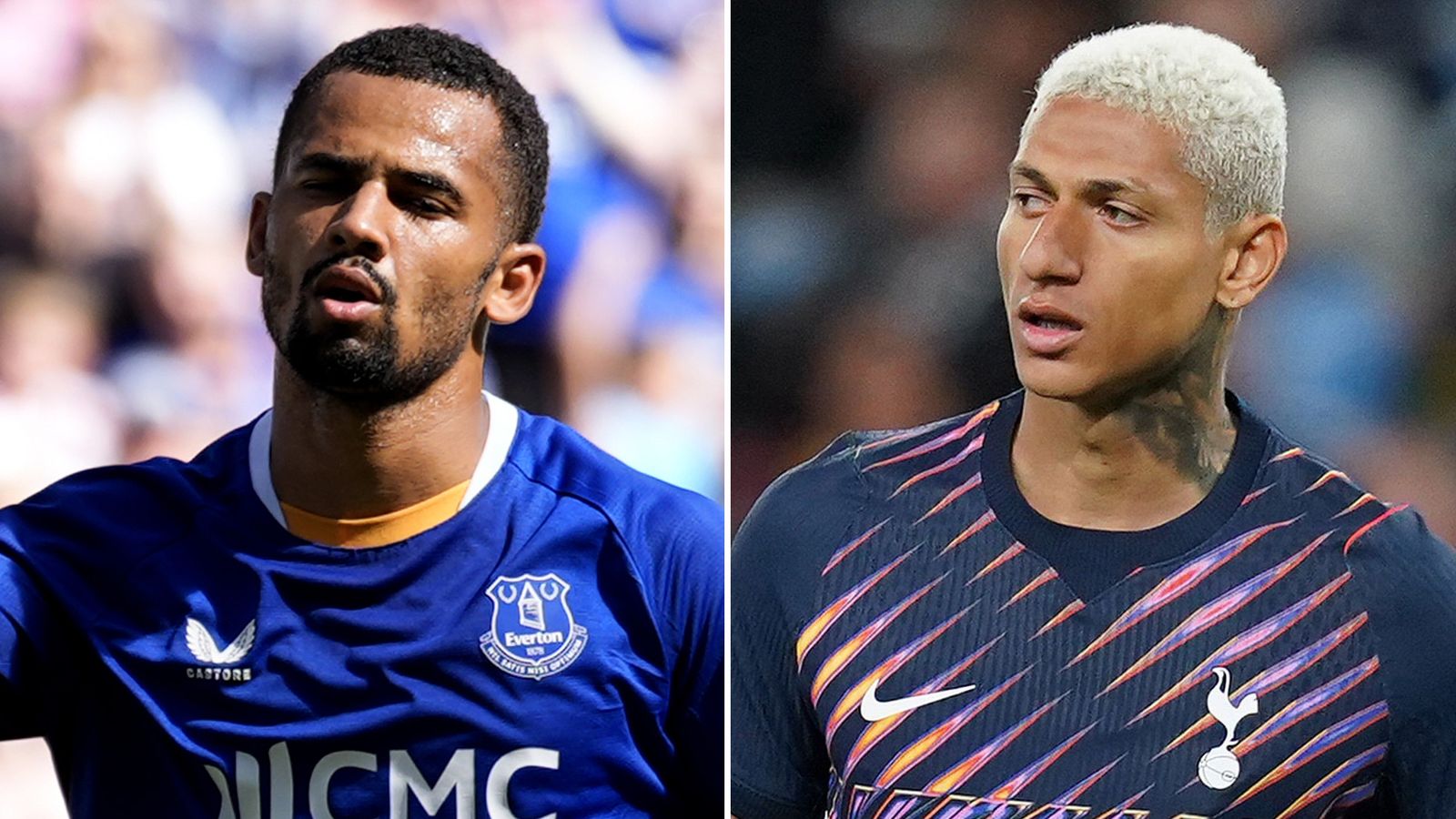
As Sky Sports reported, City had originally listed Everton's Iliman Ndiaye on their radar for forward reinforcements. However, Pep Guardiola's recruitment team rapidly pivoted when Gakpo became available. Tottenham had also monitored the Dutch international, but City moved swiftly to discuss personal terms directly with the player's representatives.
Selling a proven, versatile forward directly to your primary domestic title rival is an immense strategic risk for Liverpool. Gakpo provided invaluable tactical flexibility during his time at Anfield, operating seamlessly across the central striker role and left wing. If Barcola experiences the usual adjustment period required for newcomers in English football, watching Gakpo thrive in City's refined system will look like executive negligence.
From City's perspective, hijacking Gakpo addresses a distinct tactical need while simultaneously destabilizing a competitor. Slot might believe Barcola raises Liverpool's long-term ceiling, but sanctioning a rival's late raid mid-season represents a gamble that could tilt the title race toward the Etihad Stadium.
De Zerbi's dressing room rebellion and Tottenham's Ndiaye gamble
North London is contending with its own late-window volatility. Tottenham's weekend ended in utter misery following a disappointing 2-0 home defeat to Newcastle on Saturday. Yet the real damage occurred after the final whistle inside the media suite, where manager Roberto De Zerbi laid bare a deepening squad revolt.
De Zerbi revealed he omitted Brazilian striker Richarlison from the matchday squad entirely because the forward had demanded a transfer out of North London on multiple occasions. Richarlison, who signed from Everton in 2022 for £60m under Antonio Conte, has endured a frustrating stint at Tottenham and has now entered the final year of his contract.
"Richarlison, I don't know. He said too many times he wants to leave."
De Zerbi's decision to publicly exile a senior forward right before the deadline strips Tottenham of key negotiating advantage. Disgruntled players rarely command top market fees, and rival clubs know Spurs are desperate to clear wages. Making matters far worse, De Zerbi admitted midfielder Pape Matar Sarr and defender Kevin Danso have also formally requested exits before Friday's deadline.
Losing three established squad players simultaneously threatens to hollow out Tottenham's depth just as their early-season fixture schedule intensifies. De Zerbi's intense coaching style often produces brilliant football, but his public frustration hints at an executive structure struggling to manage player discontent.
To patch the impending hole in his attack, De Zerbi has turned away from Chelsea's Pedro Neto to pursue Everton winger Iliman Ndiaye. Advanced talks are underway between Tottenham and Everton for Ndiaye, while Everton are actively attempting to lure Richarlison back to Merseyside. Richarlison scored 53 goals in 152 games during his previous spell at Goodison Park, making a reunion appealing to both parties.
Swapping Ndiaye for Richarlison appears sensible on paper, but negotiating parallel transactions under tight deadline pressure is notoriously difficult. Ndiaye has repeatedly rejected contract extensions at Everton, effectively forcing his current club to find a buyer. If Spurs fail to finalize Ndiaye while exiling Richarlison, De Zerbi will head into September with a fractured squad and diminished options upfront.
Everton fan power halts a £40m exit while Moyes balances the ledger
While Tottenham struggle to contain internal discontent, Everton find their transfer strategy shaped by the collective voice of their fanbase. Nottingham Forest submitted a substantial £40m proposal to sign 19-year-old Everton midfielder Harrison Armstrong. The academy graduate started on the south coast on Saturday, making his 24th senior appearance during a tense 1-1 draw at Bournemouth.
Everton's traveling supporters made their stance unmistakable throughout the afternoon. Away end chants warned the boardroom that selling Armstrong would spark a riot among the fanbase. The vocal rebellion forced the Everton board into a unanimous vote to reject Forest's approach entirely.
Speaking after the Bournemouth match, Everton manager David Moyes acknowledged the weight of fan sentiment while reflecting on executive governance. Moyes noted that football leadership requires making unpopular choices for long-term stability, even as he reaffirmed his personal affinity for supporters.
"You always have to consider supporters; supporters aren't always wrong. But then there's also times where I've had people at clubs who are really powerful and make difficult decisions."
Moyes referenced historical figures like Sir Philip Carter at Everton and Bryan Gray at Preston North End to illustrate how strong leaders navigate financial pressure. Reminding fans that "their manager's an Evertonian," Moyes emphasized that club executives must evaluate the broader financial picture. Rejecting £40m for a teenager is a bold choice for a club managing financial sustainability constraints, but keeping Armstrong preserves Goodison Park's core identity.
That decision also increases the urgency surrounding Ndiaye's sale. Because Ndiaye refused new contractual terms, Everton must monetize his departure now to finance their pursuit of Richarlison. Selling Ndiaye satisfies financial requirements while preserving homegrown talent, placating supporters who refuse to watch another academy graduate sold for cash.
Alonso's Chelsea reset and the cascading deadline fallout
Beyond North London and Merseyside, other Premier League contenders are quietly recalibrating their squads before the window snaps shut. At Stamford Bridge, manager Xabi Alonso has focused on revitalizing Cole Palmer following the midfielder's troublesome 2025/26 campaign. Palmer's sharp early performances indicate that Alonso's structural changes are already bearing fruit, positioning the England international as the focal point of Chelsea's creative engine.
Meanwhile, mid-table sides are scrambling to complete late deals that could determine their survival prospects. According to Sky Sports deadline coverage, Fulham remain in active discussions for defensive additions to stabilize their backline. West Ham are scanning domestic markets for late loan options in midfield, while Arsenal monitor potential outgoing fringe moves to keep their squad lean.
These secondary movements highlight the interconnected nature of late August trading. A single blockbuster deal at Anfield triggers a cascade that reaches Goodison Park, Tottenham Hotspur Stadium, and the Etihad. When elite clubs panic or pivot, the entire league feels the financial and tactical aftershocks.
The final days of the transfer window will expose which boardrooms operated with clear long-term strategy and which succumbed to reactive decision-making. Liverpool's wing overhaul, De Zerbi's disciplinary line, and Everton's fan-driven board decisions will all be tested once matchday pressure resumes. In modern Premier League management, surviving the deadline is only half the battle—living with the consequences on the pitch determines who actually succeeds.
Read Next
- Man City wanting Cody Gakpo is the funniest transfer rumour of the summer
- Why Cody Gakpo choosing Man City over Spurs changes the title race
- Man City make late Cody Gakpo move as winger depth reaches breaking point
- Top 10: Top Moments of Liverpool's Summer Transfer Window Hunt
- 🇳🇱 Netherlands World Cup 2026 — Oranje Hub