The Boardroom Spin vs. The 114 Charges
The Premier League dropped a hammer on English football on Friday, September 25, 2026. After a sprawling investigation, independent commissioners found Manchester City guilty on 114 out of 115 financial charges. That is not a minor bookkeeping error. It is a systematic conviction covering allegations stretching back to 2009.
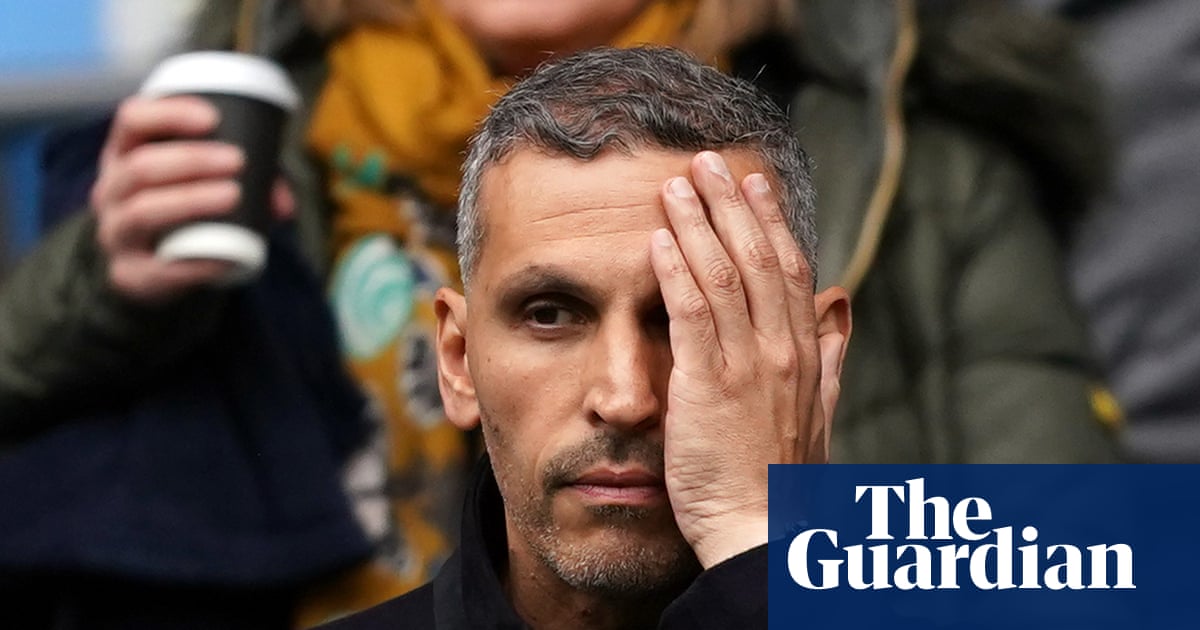
Yet by Saturday afternoon, City chairman Khaldoon al-Mubarak took to social media with a message that defied reality. He insisted that "nothing has changed" and declared that City's intent to prove its innocence remains as firm as ever. In his eyes, the verdict is simply part of the external noise.
"While some people have been quick to reach their own conclusions, and there is so much noise swirling around us, nothing has changed. We have faced challenges together before and have prevailed."
Dismissing a conviction on 114 charges as mere noise requires extraordinary nerve. City spent eight years insisting they had done nothing wrong. When the verdict arrived, the executive response was to pivot directly to matchday promotion.
Al-Mubarak reminded supporters that City face Liverpool at Anfield in two weeks before hosting Paris Saint-Germain at the Etihad Stadium in the Champions League. He framed these fixtures as opportunities to celebrate the strength of the club family. That is corporate bravado at its most extreme. You cannot simply ignore a legal crater because a marquee fixture is on the calendar.
According to The Guardian's reporting on Saturday, City's official stance hasn't wavered since the charges were first laid in February 2023. Back then, the club claimed to possess irrefutable evidence of its innocence. Now, after losing on virtually every count, they continue to claim the regulator lacked independence.
Philosophical Posts and Fan Grief
If al-Mubarak chose corporate defiance, manager Enzo Maresca took a far stranger path. Approached on Saturday morning for comment on whether he sought reassurances from executives, Maresca responded via his representatives with a screenshot of Instagram content. He posted a quote attributed to Socrates: "The only thing I know is that I know nothing."
He added his own commentary beneath the ancient quote. "Time to breathe. Time to analyse. Time to learn." It was a bizarre response to the biggest structural earthquake in modern Premier League history. When your employer is convicted of widespread financial breaches, posting freshman philosophy feels like avoiding the room.
Over on the Let Me Talk podcast, Oasis songwriter and lifelong City fan Noel Gallagher offered a raw look at supporter grief. Gallagher admitted he felt shocked and sad when he heard the news on the radio. For fans who trusted boardroom assurances for years, the guilty ruling hit hard.
"Our focus as fans is always on the pitch and we know what we saw. Whatever goes on in the boardroom, it’s nothing to do with the supporters or the players."
Gallagher zeroed in on Sergio Agüero’s iconic title-winning goal in 2012. He insisted that no legal document can strip away what supporters felt in that moment. Rivals will argue that the squad was built on illegal funds. Gallagher countered that players won those matches on the grass, regardless of how contracts were funded.
Former City chairman David Bernstein, who ran the club from 1998 to 2003, offered a much harsher appraisal on Times Radio. A fan of 70 years, Bernstein described feeling sickened and shocked by the outcome. He argued that seeing the club's rise tarnished by administrative wrongdoing is devastating for the faithful.
Bernstein stressed that the upcoming appeal process must move at maximum speed. Allowing a multi-year appeal to drag on would harm the entire sport. More importantly, he insisted that financial penalties alone would be completely insufficient, demanding drastic structural sanctions if the verdict holds.
Political Reactions and Rival Outrage
The political class quickly moved to address the fallout on Saturday. Culture Secretary Lisa Nandy spoke on BBC Radio 5 Live, calling the situation deeply unsettling for football supporters across the country. She emphasized that fans need absolute confidence that financial rules are enforced fairly and consistently across all clubs.
Nandy pointed out that the case stems from financial practices starting as far back as 2009. An investigation spanning eight years highlights how slow football regulation moves. When cases take nearly a decade to resolve, public trust in governance collapses.
Former shadow culture secretary Nigel Huddleston echoed those concerns on social media. He argued that any upcoming appeal must proceed with total transparency and speed. Prolonged secrecy only fuels fan anxiety and damages the league's reputation.
Meanwhile, rival fanbases are already demanding maximum punishment. Fans of Arsenal, Liverpool, and Manchester United argue that City's decade of dominance was built on artificial advantages. Online message boards are flooded with calls to vacate titles and impose severe point deductions.
The debate highlights a fundamental divide in modern football. Rivals view City's silverware through the lens of regulatory evasion. City supporters view those same trophies as the legitimate product of elite coaching and player brilliance.
City's legal representatives released a statement on Friday criticizing the Premier League's process. The club accused the executive board of failing to act as an independent or fair-minded regulator. By framing the league as partisan, City are preparing for a protracted legal battle.
As reported in recent coverage of the trial, City maintain that significant procedural elements remain incomplete. They intend to fight the verdict through every available appellate channel. That means this conflict will drag on long after the current squad leaves the pitch.
Causal Analysis and Legacy Costs
To understand how City reached this point, you have to examine the financial inflation that transformed English football after 2008. When Abu Dhabi United Group purchased the club, the Premier League lacked robust financial fair play constraints. As regulations tightened, City’s off-field accounting methods came under intense scrutiny.
The Premier League's charges centered on disguised equity funding, inflated sponsorship deals, and unrecorded manager compensation. By allegedly bypassing spending limits, City assembled a squad capable of winning six titles in seven seasons. The competitive imbalance created by those choices angered rival owners who complied with spending caps.
Now, the consequences extend far beyond courtroom fees. If the ruling stands after appeals, the Premier League faces a precedent-setting dilemma. A light fine would invite anarchy, signaling that wealthy owners can purchase immunity. A severe sporting penalty, such as demotion or massive point cuts, will reshape the league table for years.
Here is the list of key administrative factors driving the crisis:
- Eight years of regulatory friction between City and the Premier League board
- Allegations of non-cooperation and financial misreporting dating back to 2009
- A severe disconnect between executive PR statements and independent tribunal findings
- Unprecedented legal expenses on both sides delaying final resolution
There is a real risk that legal warfare replaces sporting competition as the primary narrative of English football. When boardrooms dictate league tables, match results feel secondary. That is bad for broadcasters, sponsors, and supporters alike.
City's immediate tactic is clear: buy time. By dragging the appeal through international arbitration courts, executive leadership hopes to soften the public blow. Delaying the process allows the club to maintain competitive focus during the current campaign.
That strategy has major flaws. Every match City plays under this legal cloud will be scrutinized through a cynical lens. When they visit Anfield or host European giants, commentators will talk about balance sheets instead of tactics.
Noel Gallagher is right about one thing: you cannot erase what happened on the grass. The roar when Agüero scored in 2012 was real. The tactical masterclasses under Pep Guardiola happened in front of millions.
Yet David Bernstein's warning carries far more weight for the long term. Victories achieved under a cloud of systemic rule-breaking carry a permanent shadow. You can hire the best lawyers in London to win appeals, but you cannot compel the rest of the football world to respect the trophies.