
The passing of a football icon
Kevin Keegan, a figure whose influence defined a generation of English football, has died at the age of 75. His passing on Monday marks the end of an era for Newcastle United and the broader Premier League. While Keegan is rightfully celebrated for his electric managerial style, his influence extended far beyond tactical setups.
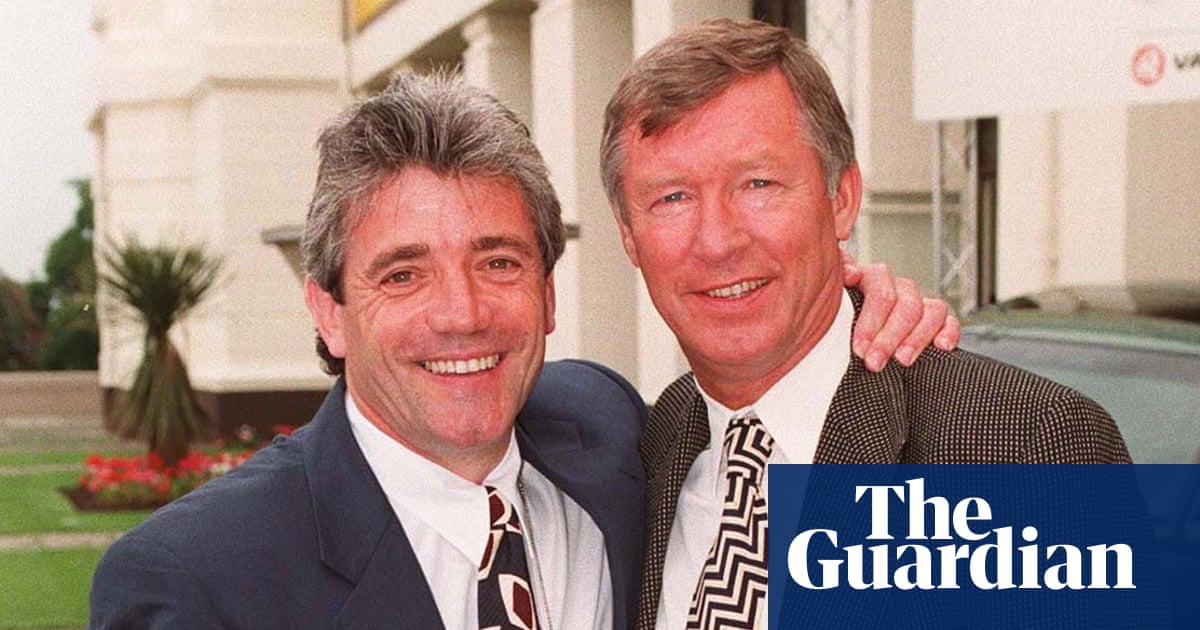
Sir Alex Ferguson recently paid tribute to Keegan’s impact, specifically highlighting the 1990s Newcastle squads. Ferguson stated that Kevin Keegan’s group was the best team his Manchester United side ever faced, noting that Keegan carried the love of the game on his sleeve. This public acknowledgment from his fiercest rival underscores the magnitude of what Newcastle achieved during that period.
Tactical audacity and era-defining play
Keegan’s tenure at St. James’ Park was defined by a commitment to attacking football that, at times, bordered on reckless. He didn't just want to win; he wanted to overwhelm. His approach forced managers across the top flight to rethink defensive structures against squads that prioritized movement and verticality over rigid positioning.
His ability to recruit and energize a roster created a high-stakes environment that remains a point of reference for modern analysts. As reported by The Guardian, the shared sentiment among legends of the game is that Keegan represented a specific brand of passion that is rare in today's professionalized environment.
The strategic shift of the 90s
When looking back at the 1995-1996 season, Newcastle’s collapse in the title race is often analyzed as a failure of game management. However, the data suggests otherwise. Keegan’s side were frequently involved in matches with high transition counts, leading to scores like the famous 4-3 games that captivated television audiences.
This period accelerated the commercial growth of the Premier League. Keegan realized early that fan engagement required excitement, not just results. His philosophy forced top-tier clubs to invest in more mobile, attack-minded defenders to keep pace with his rotation schemes. It was a bold gamble that altered the trajectory of the English game for a decade.
An unrepeatable approach
Critics of the era often point to the lack of a major trophy under Keegan as a failure of his project. Yet, this ignores the cultural shift he solidified in the North East. Fans returned to the stadium in record numbers because the team played with an urgency that local supporters demanded.
Replacing that specific energy has proven impossible for subsequent Newcastle managers. The club spent years searching for a successor who could replicate that brand of charisma combined with tactical fire. While modern football emphasizes statistical efficiency and low-risk possession, Keegan’s work stands as a reminder of the value of high-variance, entertainment-first coaching.
Lessons for the modern game
The transition toward the data-driven models of 2026 makes the Keegan era look like a dream. Today, we measure expected goals and passing lanes with precision. Under Keegan, we measured the intensity of a crowd and the psychological pressure put on an opponent’s back line.
His career teaches us that football is fundamentally a game of momentum. He could sense when a match was tilting and would push his substitutes to exploit that shift within the 75th minute. That intuition is something current analytical models are still trying to bridge.
Looking forward
The mourning process for a figure like Keegan goes beyond a moment of silence at the start of the next season. It forces a conversation about whether the game has lost its capacity for genuine unpredictability. Managers who act with his level of candor are now filtered out by club communications departments.
His influence is still felt in the way Newcastle approaches high-tempo transitions today. The club has effectively moved toward a more controlled version of what Keegan attempted thirty years ago. As the football community reflects on his life, the focus remains on the joy he brought to the pitch.
He navigated the pressures of the Premier League during its infancy with a level of authenticity that remains the standard for many managers today. We lose not just a coach, but a major personality who forced the biggest teams of the era to defend for their lives.
