Iraola faces defensive selection headaches as Gomez remains sidelined
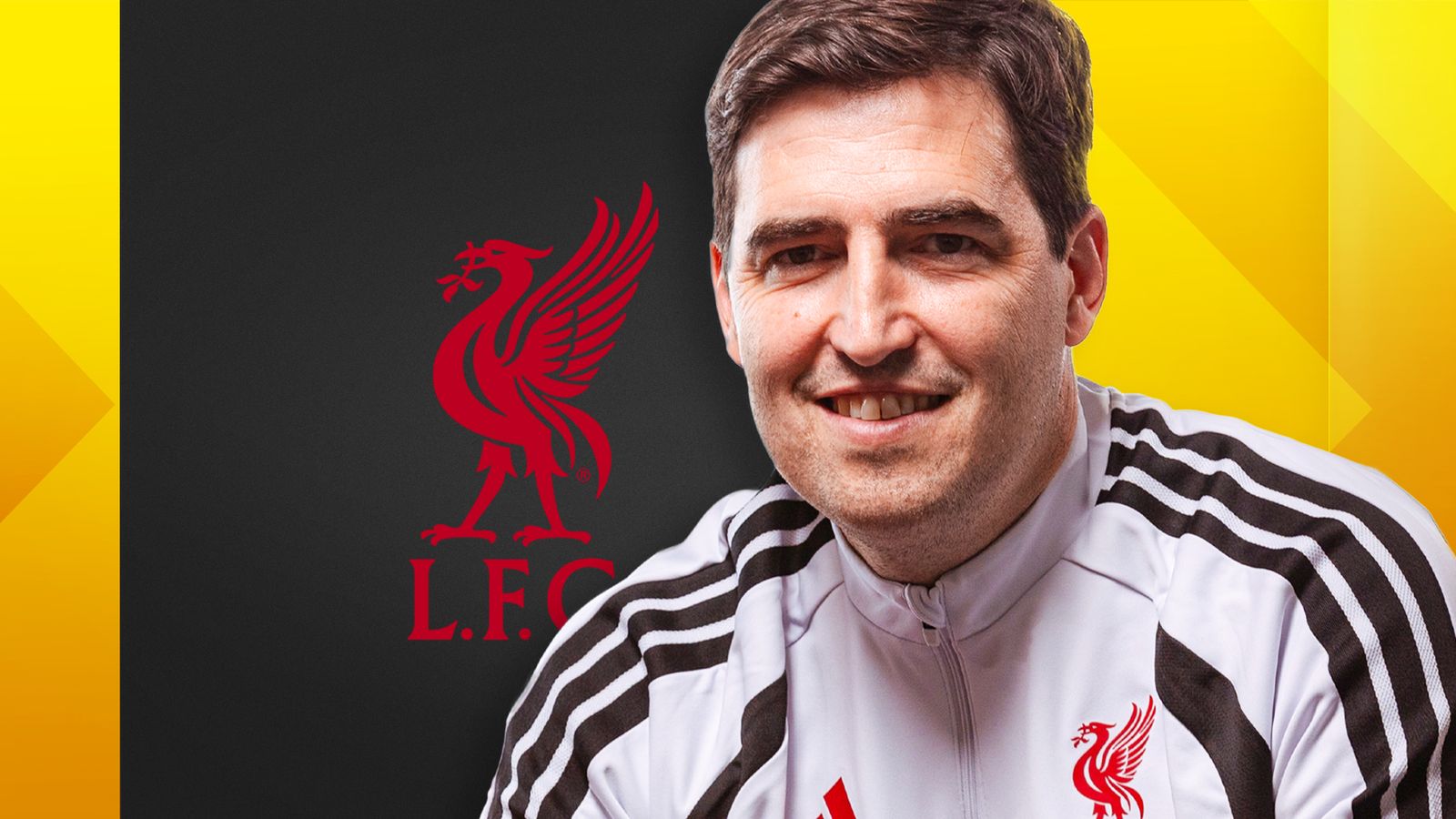
Liverpool manager Andoni Iraola confirms Joe Gomez remains unavailable following his latest setback. The defender left the training pitch prematurely earlier this week, sparking immediate concern from the coaching staff. Medical assessments are ongoing to determine the full extent of the issue.
The specific nature of the injury has not been disclosed, but team sources indicate it involves soft tissue discomfort. This aligns with a history of recurring problems that have plagued his consistency. Recovery timelines currently remain fluid while the medical department monitors his response to light therapy.
A familiar cycle of fitness frustration
Gomez has struggled to maintain an extended run in the starting lineup over the last 18 months. His availability has been a persistent variable, forcing managers to constantly shuffle the back four. The trend threatens the club's defensive stability during a heavy stretch of domestic fixtures.
As reported by Sky Sports, the recurring nature of these absences creates a significant strain on the training regime. Coaches are forced to prioritize load management over tactical cohesion. It is an unsustainable model for a side chasing top-four positioning.
Strategic implications for the squad
Liverpool is currently left with limited cover in the center-back and fullback positions. The absence of a versatile player like Gomez forces youth prospects into high-pressure roles earlier than ideal. This lack of rotation depth often leads to fatigue-related issues in other starting personnel.
Recruitment strategies must address this fragility in the upcoming transfer window. Relying on an injury-prone veteran for versatility is increasingly viewed as a liability rather than an asset. The front office is reportedly weighing whether they can afford to head into the winter segment without a reliable reinforcement.
Historical context and performance markers
This situation mirrors the 2023 campaign when defensive shortages arguably cost the club points in crucial head-to-head matches. History shows that when the defensive line lacks continuity, goals conceded per 90 minutes creep upward. The current squad is averaging 1.4 goals against them per game during periods of defensive instability.
The risk of long-term reliance on the current group is becoming clear. Should the medical staff clear him, patience will be limited. If he is forced into extended rehabilitation, the board face intense scrutiny regarding their failure to secure a high-frequency contributor.
The broader impact on the league table
Competitors are taking note of the thin defensive reserves at Anfield. Opposing managers are now explicitly tailoring their game plans to target the areas where Gomez usually operates. The vulnerability is no longer a secret, and the lack of a plug-and-play replacement is a tactical failure.
While the Premier League is a grueling marathon, teams thrive on availability. The club must decide if they are willing to accept the constant reshuffling. If these setbacks continue, the top-four objective will become significantly harder to achieve, potentially impacting the club's revenue streams for the next fiscal year.
Critical observations on management
The decision to permit such low depth in key positions rests with the recruitment department. It is difficult to justify why a primary rotation piece has been allowed to carry such a high risk of downtime without a direct, like-for-like backup. Relying on makeshift fixes like shifting defensive midfielders to the back line is not a permanent solution for title contenders.
The staff must be more transparent regarding return windows. Vague updates foster confusion among supporters and provide zero clarity for those tracking team success. Better communication is needed even when the news is unfavorable, as silence only invites speculation about his long-term future at the club.