
Jeff Bezos wants into Liverpool, but FSG aren't surrendering control of Anfield
The minority stake dance at Fenway Sports Group
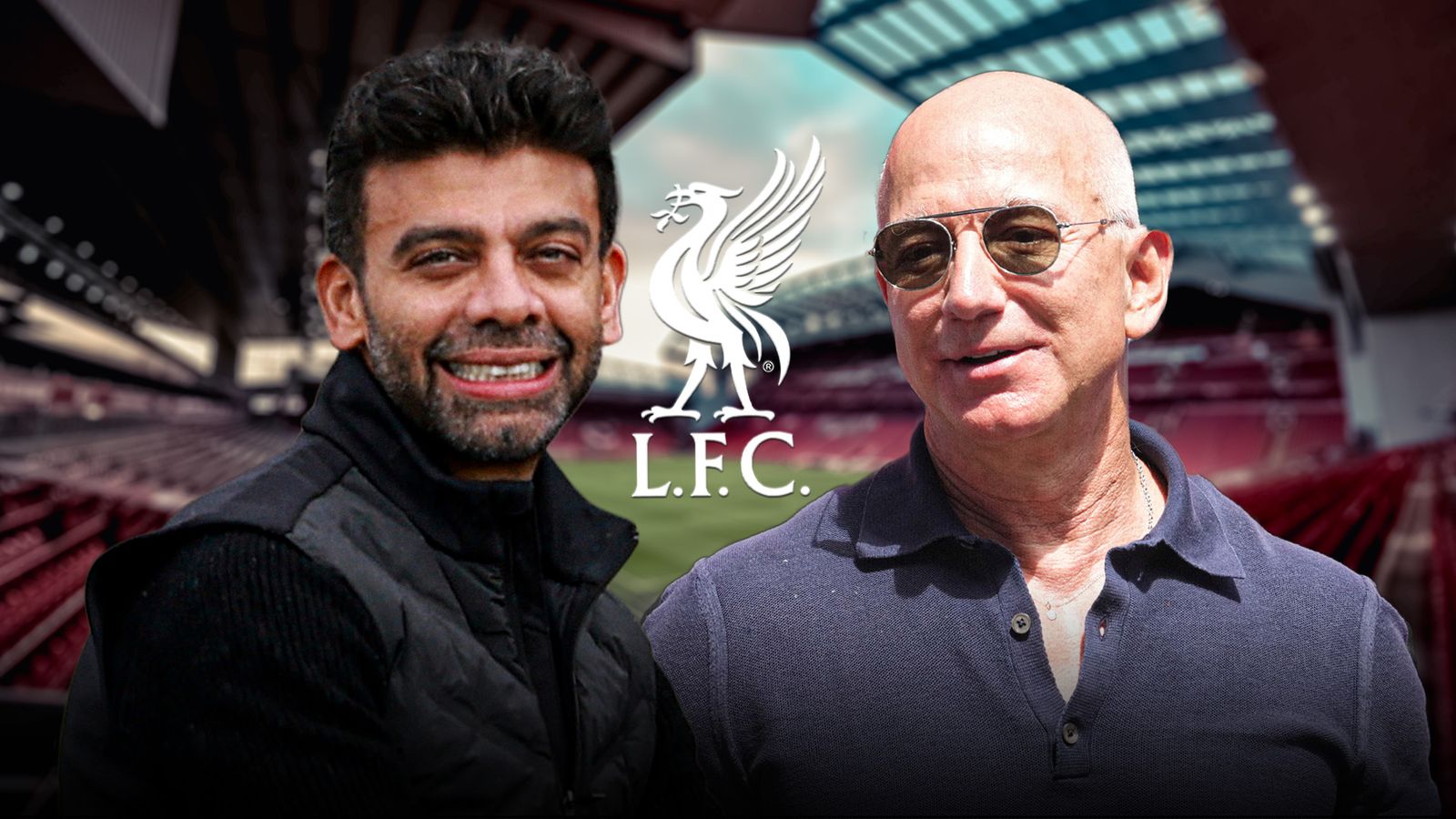
Fenway Sports Group have never been in the business of handing over the keys to Anfield. When rumors began swirling that Amazon founder Jeff Bezos and former Queens Park Rangers chairman Amit Bhatia were evaluating a strategic minority investment in Liverpool, the knee-jerk reaction across social media was predictably dramatic. Yet the structural realities of John W. Henry’s ownership model point to a far more calculated corporate maneuvers.
FSG are looking for capital equity, not a full buyout. Selling a minor percentage allows them to liquidate cash without forfeiting final decision-making power on transfers, infrastructure, or commercial expansion. For an investor like Bezos, whose net worth hovers around $200 billion, dropping a few hundred million into a global Premier League brand is pocket change—and a strategic foothold in live European sports broadcasting rights.
Bhatia brings a different profile entirely. Having served as QPR chairman until 2023, he understands the financial money pit that is modern English football. But moving from Loftus Road to Anfield is a leap across financial universes. His involvement suggests a syndicate approach, pairing football operational familiarity with heavyweight institutional cash.
Why sell a piece of Liverpool right now?
The timing is no coincidence. Modern football economics are pushing even the most conservative ownership groups into liquidity squeezes. Expanding the Anfield Road Stand was not cheap, and keeping pace with state-backed behemoths like Manchester City and Newcastle United requires continuous capital injections that balance sheets alone cannot always supply.
Liverpool's valuation sits near historic highs, propelled by domestic success and global commercial reach. Bringing in outside investors at this peak unlocks capital without diluting FSG's overall voting control. As Sky Sports reported, the interest centers specifically on a strategic minority stake, meaning Henry and Mike Gordon retain total command of the boardroom.
Critics will argue that bringing in passive tech billionaires won't magically solve midfield depth or wages. They are right. Passive investors buy appreciation and commercial optionality; they do not write blank checks for deadline-day panic buys.
Bezos, Bhatia, and the illusion of unlimited transfer funds
Fans salivating over the prospect of Bezos turning Liverpool into a financial juggernaut are ignoring Financial Fair Play and Profitability and Sustainability Rules (PSR). Even if an owner holds limitless wealth, spending limits are tethered to generated revenue, not personal bank accounts.
Bezos buying 10% or 15% of Liverpool does not mean a £200m war chest appears overnight. What it does grant is leverage. It boosts credit facilities, accelerates global media deals, and potentially integrates Prime Video production synergies into Liverpool’s digital infrastructure.
p>Bhatia’s potential entry is equally telling. His tenure at QPR was defined by expensive mistakes early on, followed by a hard lesson in fiscal discipline. If he aligns with FSG, it signals that any incoming minority partner will fit FSG's low-margin, self-sustaining financial framework rather than disrupting it.The risk of diluted governance and silent partners
There is always a friction point when tech titans and private equity figures sit on a football board. Minority shareholders eventually want a return or an exit ramp. If Liverpool experience a two-year lull outside the Champions League places, equity values stall, and minority investors start pressing for strategic shifts.
FSG's track record shows they manage minority investors carefully—look at RedBird Capital's stake in FSG itself. But taking money from high-profile individuals like Bezos or Bhatia brings relentless public scrutiny. Every transfer window without spending will be framed against the net worth of the board members.
Ultimately, FSG are running the same playbook they used in Boston and Liverpool for fifteen years: bring in capital, de-risk their own exposure, and keep firm control of the steering wheel. If Bezos or Bhatia come aboard, it won't change how Liverpool buy players, but it guarantees FSG remain comfortably in charge for another decade.
Read Next
- Liverpool remain in the hunt as PSG's Yan Diomande pursuit wobbles
- Liverpool medical room update: Pre-season squad fitness and transfer market toll
- Tottenham fans are losing their minds over Lucas Bergvall and Richarlison rumors
- Vinicius Junior to Liverpool is agent noise — here is what is actually happening
EA Sports FC 24 (Standard Edition) - PlayStation 5
The ultimate digital pitch where you build your dream squad and own the Premier
Frequently Asked Questions
Why is Fenway Sports Group selling a minority stake in Liverpool?
Who are the potential investors interested in Liverpool's minority stake?
Will Jeff Bezos take full control of Liverpool Football Club?
How will Jeff Bezos buying a stake impact Liverpool's transfer budget?
What expertise does Amit Bhatia bring to a potential Liverpool investment?
More Coverage

Premier League Clubs Want Man City Stripped of Titles and Banned From Transfers
2 weeks, 3 days ago
HMRC is knocking on Man City's door and Roberto Mancini is playing dumb
3 weeks ago
Top 10: Top Moments
4 weeks, 1 day ago
Josko Gvardiol has solved Enzo Maresca's biggest tactical puzzle
1 month agoWest Ham's Carabao Cup team selection is pure disrespect and absolute genius
1 month, 1 week agoRicharlison Crying Emojis Won't Fix Spurs' £60 Million Disaster
1 month, 1 week agoMore Analysis

Arsenal want out of the Viktor Gyokeres business already
1 day, 20 hours ago
Liverpool look thrilling under Iraola, but their defense is a massive worry
2 days, 5 hours ago
Premier League Clubs Want Man City Stripped of Titles and Banned From Transfers
2 weeks, 3 days ago
Liverpool pay price for thin squad depth after Vivien Endemann injury
2 weeks, 4 days ago
Chiesa ready for Liverpool exit as Serie A trio prepare January moves
2 weeks, 6 days ago