
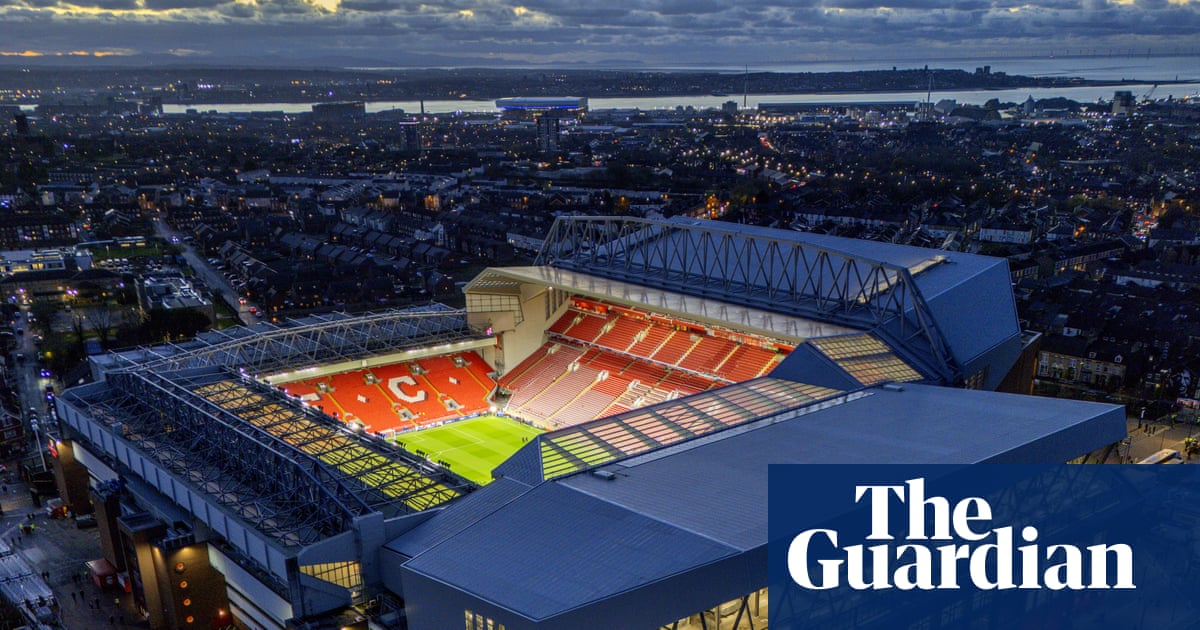
Prime Football is coming to Merseyside
Grab a cold one, pull up a chair, and let's process this together: Fenway Sports Group is reportedly shopping a piece of Liverpool Football Club, and the bidders circle looks like an invitation-only gala for hyper-billionaires. According to reporting from The Guardian, FSG is locked in talks with a consortium led by Amit Bhatia, the son-in-law of steel tycoon Lakshmi Mittal. Oh, and just to keep things spicy, Amazon supremo Jeff Bezos is getting dragged into the rumor mill too.
If you're an Anfield regular who spent the last decade complaining about John W Henry treating transfer windows like a thrift shop budget, your prayers might be answered in the most horrifying way possible. Be careful what you wish for. You wanted big-money investment, but you might end up with Amazon Prime logos stitched onto the legendary Shankly Gates.
Look, FSG has never been interested in throwing cash into a black hole like some state-backed sovereign wealth fund. They run Liverpool like a balance sheet with an anthem attached to it. So when word leaks out that they are open to selling a significant minority stake, you know two things: the valuation is astronomically high, and John Henry is looking to de-risk his position while keeping the keys to the boardroom.
Steel empires and delivery vans
Let's look at the players involved here. Amit Bhatia isn't a rookie when it comes to English football boardrooms. The guy spent years in the standard-issue corporate suite at Queens Park Rangers alongside his father-in-law Lakshmi Mittal. QPR fans will tell you that having steel billions behind you doesn't automatically mean you get to play with the big boys in Europe. It usually just means you pay double for middle-of-the-road talent.
Then you have Bezos. The rumor alone is enough to send local radio callers into absolute orbit. Imagine Prime Day discounts on defensive midfielders or two-day guaranteed delivery on pitch-side upgrades. But let's be real for a minute: billionaires like Bezos don't buy into clubs to play Football Manager. They buy in for content, leverage, and global reach.
The financial side of the Premier League has turned into a game of high-stakes poker where nobody at the table actually plays by the standard rules. FSG knows they cannot keep up with multi-club state conglomerates without bringing in heavyweight equity. Selling a piece of the pie to a consortium backed by steel royalty or American tech barons is the textbook corporate play for 2026.
Be careful what you bargain for
Here is the reality check that nobody in the comment section wants to hear. Fresh money sounds great until you realize new investors usually want a return on their capital. If you think FSG was cautious with net spend, wait until a board full of tech executives and private equity managers starts auditing the wages of squad players.
Liverpool's success over the last decade wasn't built on outspending Real Madrid or Manchester City. It was built on being smarter, sharper, and utterly ruthlessly efficient in the market. Bringing in mega-rich silent partners doesn't guarantee you sign the next world-class talent; sometimes it just adds another committee meeting before you can submit a bid.
Whether this deal closes with Bhatia's group or Bezos actually pulls the trigger, Anfield is standing on the edge of its next era. Just don't be surprised when your season ticket comes with an automatic Prime subscription and a drone delivery charge for your halftime pie.
Read Next


