The hype machine has officially hit warp speed
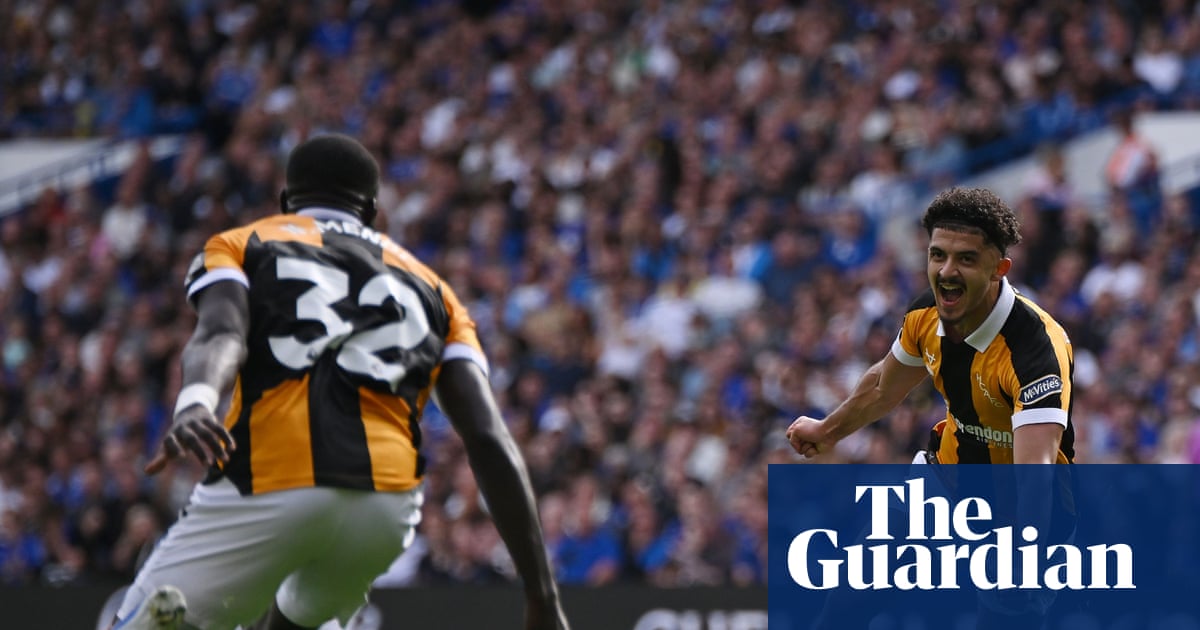
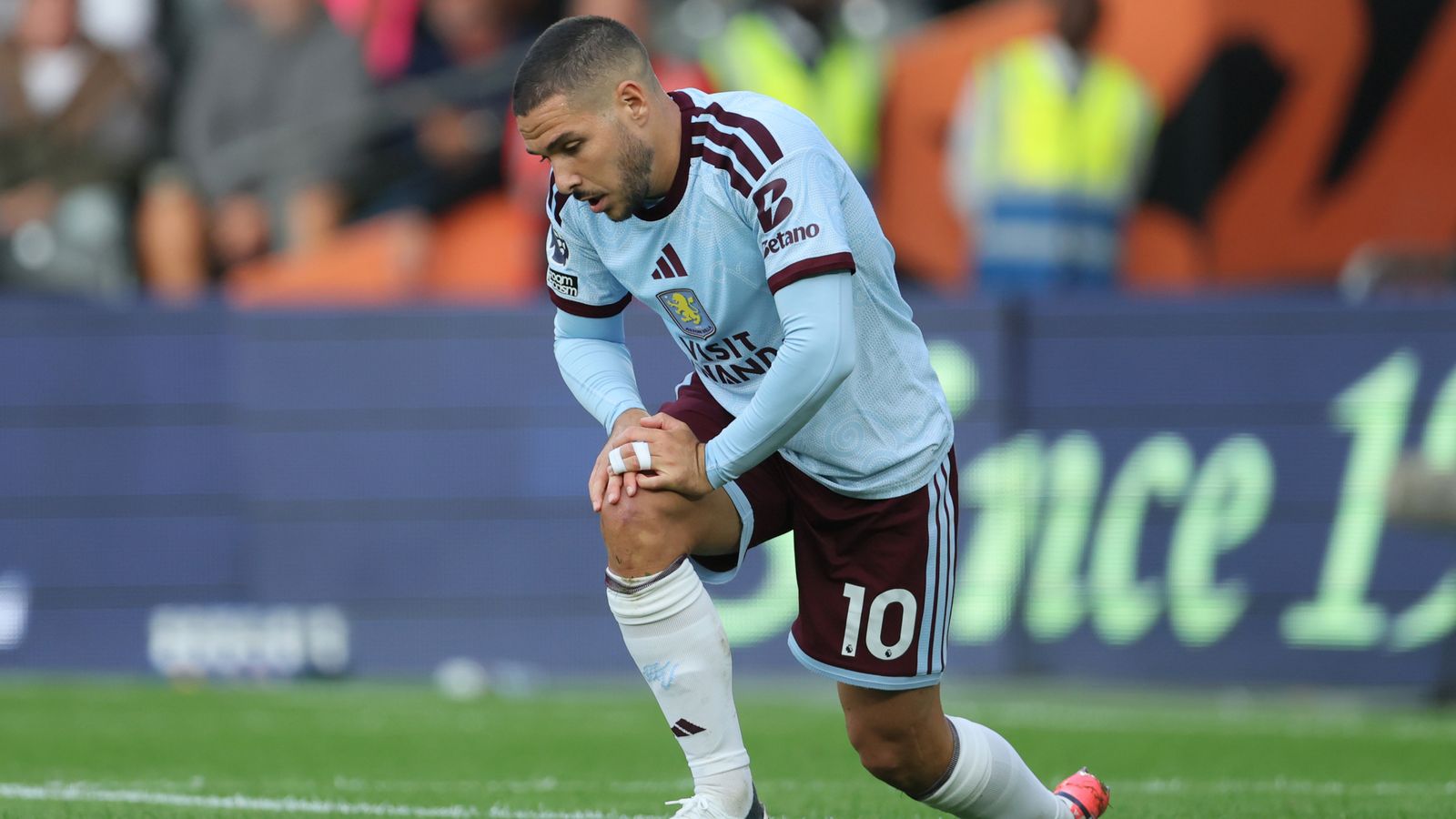
Stop me if you’ve heard this one before. A teenage sensation from the A-League sets the world on fire for six months, clips of his dribbling skills go viral on Twitter, and suddenly every mid-table Premier League side is salivating like a dog at a barbecue. Now we’re looking at Hull City dropping a massive $33 million fee on an unproven kid from the Socceroos setup. It’s the kind of move that reeks of desperation and over-scouting, a high-stakes gamble that usually ends with the player being loaned out to a second-tier club in Belgium before disappearing into the void.
Look, I get the appeal. We all want to find the next Harry Kewell or Mark Viduka, but let’s be real about the reality of the jump from the A-League to the Premier League. It is a vertical climb up a sheer cliff face. You’re trading stadiums with ten thousand people for the roar of fifty thousand in a relegation scrap. Hull City isn’t exactly Manchester City in terms of tactical patience or player development. They need immediate impact, and throwing a mountain of cash at a kid who hasn't spent a single minute dealing with the physical brutality of a Tuesday night in the Championship, let alone the PL, is a recipe for disaster.
The math just doesn't add up for anyone involved
Let's talk about the valuation. When you see a price tag like $33 million, you expect a finished product. You expect someone who can walk into a locker room, command respect, and deliver an assist in the opening ten minutes of his debut. Instead, we have a teenager who is currently adjusting to the time zone difference and learning that English defenders don't play like they are in a friendly match. If he hits three goals by December, I’ll be shocked, but I’ll be even more shocked if the internal pressure doesn't crack his confidence by late October.
We have seen this movie before, and it rarely ends with a statue outside the stadium. Remember when clubs threw money at prospects like they were collecting Pokémon cards, only to realize that elite performance is about consistency, not just a highlight reel of step-overs against tired defenders? Hull City isn’t known for being a finishing school for world-class talent. They are known for survival. Bringing in a project player during a window where the club needs proven grit feels like an administrative error disguised as a visionary signing. It’s like buying a Ferrari when you’re still trying to figure out how to drive a stick shift.
The danger of the hype cycle
The Australian media is already painting this kid as the second coming of Tim Cahill. That is an unfair burden to place on any human being, let alone a nineteen-year-old trying to figure out how to pay his own taxes in a foreign country. When the inevitable bad performance happens—and it will happen, because it happens to everyone—the reaction from the Hull fanbase won't be “he’s young, let him develop.” It will be “why did we waste $33 million on a kid who can’t hold the ball up?” The cycle is cruel, predictable, and entirely avoidable.
I want to see the Socceroos thrive on the world stage. Truly, I do. Seeing players move abroad is essential for the national team's growth. But this move smells like a boardroom panic buy. It lacks the structure of a real scouting department and feels like something a kid would do in a FIFA career mode save, except this is real life with real consequences for the club's balance sheet. If Hull drops out of the league because they didn't invest in experienced defenders or a proven holding mid, this transfer will be the first thing the pundits point to during the post-mortem analysis in May.
The verdict: A swing and a massive miss
I hope the kid proves me wrong. I hope he scores a hat-trick on his debut and makes everyone who doubted this price tag look like a complete idiot. But I’ve been covering this game for long enough to know that hope is not a strategy. Hull City is betting the house on a single card, and that card hasn’t even been through the dealer's deck in a real competitive environment. It’s a bold move, sure, but boldness is just another word for reckless when you don't have the data to back it up.
As recent reporting on Premier League transfer market inflation has shown, we are in an era where mid-tier clubs are paying luxury taxes for mid-tier results. This transfer is the poster child for that trend. They aren’t buying a player; they are buying the idea of a player, a concept sold to them by agents who know exactly how to manipulate the ego of a desperate front office. By the time the summer transfer window closes, I expect this deal to be the one discussed in every podcast as the prime example of how to hemorrhage cash for no reason.
The reality of the jump
We need to talk about the physical demand. Transitioning from the humidity of an Australian summer to the biting wind of a winter in Yorkshire is enough to wreck a player’s rhythm. The style of play is different, the speed is faster, and the referees are far less forgiving of a heavy touch. If the kid hasn't been hardened by years of senior football in a system that mirrors European standards, he is going to have a rough winter. The board at Hull is setting him up for a struggle, and frankly, it’s a bit pathetic to watch a professional club move this way.
Maybe I’m just a jaded fan who misses when transfers felt earned rather than purchased through pure market noise. Maybe I’m just tired of seeing clubs set their own house on fire and then act surprised when the roof collapses. Either way, this move is a mistake. It is an expensive, flashy, loud mistake that will haunt the supporters long after the excitement of the opening day press conference has faded. Keep your eyes on the stats sheet this season, because this isn’t going to be the smooth transition the PR team is promising. It is going to be a long, bumpy ride that ends in a bench spot and a return flight home.
Read Next
- Why Xabi Alonso's Chelsea revolution is built on veteran reliability
- Andoni Iraola just managed a masterclass in how to disappear for 45 minutes
- Chelsea’s transfer strategy is pure chaos and it won’t end well
- Liverpool just gagged away a two-goal lead and the internet is loving it
- 🇦🇺 Australia World Cup 2026 — Socceroos Hub