
The Illusion of Early Control
Celtic went to the Raiffeisen Arena in Linz expecting a routine night of European qualification. Carrying a three-goal cushion from the first leg, the Scottish champions looked completely in charge during the opening exchanges.
In the 21st minute, winger Yang Hyun-jun showcased great poise on the left flank. He drove past his marker, cut inside, and rolled a clean pass into the path of captain Callum McGregor.
McGregor stepped up and took the shot. A deflection wrong-footed the LASK goalkeeper, putting Celtic 1-0 up on the night and establishing a 4-0 aggregate lead.
High in the stands, the travelling away support celebrated what felt like guaranteed passage into the group stage. Chants of "We're having a party in the Champions League" echoed across the far side of the stadium.
That early celebration proved to be an act of total delusion. Instead of locking down the match, Celtic immediately relaxed their intensity and invited LASK back into the tie.
The warning signs appeared instantly. LASK striker Samuel Adeniran glanced a header wide off a cross right after the restart, then dragged another effort past the far post moments later.
Celtic's backline paid no attention to those early missed chances. They treated LASK's physical directness as a minor inconvenience rather than a serious tactical threat.
That arrogance cost them in the 23rd minute. Midfielder Benjamin Nygren attempted a careless square pass directly across his own defensive third without looking.
LASK forward Moses Usor pounced on the loose ball, drove toward the box, and slotted a cool finish past Viljami Sinisalo. It was an unforced error that gave the Austrian hosts their first real spark of belief.
Writing for BBC Sport, pundit James McFadden did not mince words during the live broadcast on BBC Radio Scotland. He noted that while Usor's finish was composed, the chance was "an absolute gift" from Celtic's midfield.
Defensive Surrender and Midfield Meltdown
If the first half ended with minor anxiety, the second half delivered complete panic. LASK emerged from the interval pressing high and overpowering Celtic in every single individual battle.
Just three minutes after the restart, defender Auston Trusty committed a shocking error in positioning. He backed off Robert Ljubicic on the edge of the penalty area, granting the midfielder several yards of open space to turn and set his feet.
Ljubicic accepted the invitation, drilling a low shot past Sinisalo to make it 2-1 on the night. The aggregate lead was suddenly cut to 4-2, and Celtic looked visibly rattled.
McFadden was brutal in his assessment of Trusty's passive posture. "That is unacceptable," McFadden stated on BBC Radio Scotland, calling out the center-back's refusal to close down the ball.
LASK smelled blood in the water and increased their tempo even further. Celtic's midfield pairing failed to track runners, leaving huge gaps between the lines that Sascha Horvath repeatedly exploited.
In the 58th minute, Horvath advanced the ball through the center of the park, pulled Celtic's shape out of alignment, and laid a pass off to Adeniran. The forward struck it first time from 25 yards, curling a spectacular effort straight into the top corner.
That goal made it 3-1 on the night and brought LASK within one goal on aggregate at 4-3. At that moment, Celtic completely froze.
They could not hold possession, could not win second balls, and could not advance past the halfway line. From the 60th minute onward, the match took place almost exclusively inside Celtic's half.
LASK battered the penalty box with whipped crosses, deep corner kicks, and direct through balls. Celtic offered zero counter-attacking outlet, opting instead to kick the ball out of play and absorb continuous pressure.
Stoppage Time Disaster and Extra-Time Collapse
As regulation time wound down, Celtic clung desperately to their single-goal aggregate advantage. Sinisalo did everything he could to keep his team afloat under the Austrian onslaught.
In the 90th minute, Sinisalo produced a brilliant reaction stop to slap away a point-blank header from Alemao. But Celtic's defenders failed to clear the secondary danger.
Florian Flecker reacted fastest to the rebound, ghosting past two static defenders to head the ball home. The late goal made it 4-1 on the night and tied the aggregate score at 4-4 as the match entered four minutes of stoppage time.
Evaluating the breakdown on BBC Sport, McFadden highlighted the self-inflicted nature of Celtic's plight. "Credit LASK because they haven't given in, but Celtic have created problems for themselves," he observed.
Extra time in European fixtures often slows to a sluggish pace as both teams preserve energy for penalties. But Celtic were too physically spent to even manage a basic defensive shell.
In the 109th minute, substitute Luke McCowan won the ball back near his own box. Fresh legs are meant to bring composure, yet McCowan took far too long to make a decision on the ball.
"It looked to me as if Celtic were exhausted. Fragile in duels. It only looked like there would be one winner."
McCowan was stripped of possession inside his own half by LASK's relentless press. Adeniran gathered the loose ball and launched another long-range strike into the net to make it 5-1 on the night.
That goal put LASK ahead 5-4 on aggregate for the first time in the entire tie. Celtic had officially completed an unprecedented meltdown.
Sinisalo managed one more moment of heroics a few minutes later, diving low to save an Adeniran penalty kick that would have completed the forward's hat-trick. But that save was meaningless because Celtic lacked the legs to create a single chance at the other end.
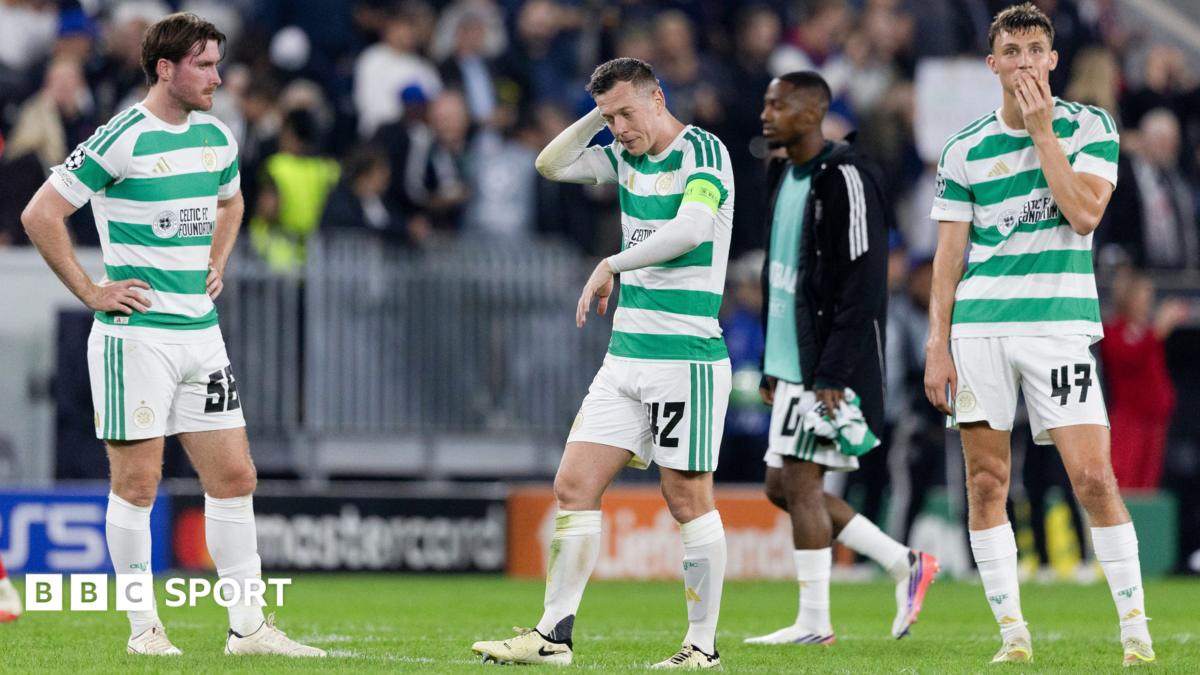
When the final whistle blew after 120 minutes, Celtic's exit was confirmed. A night that began with a four-goal lead concluded in total humiliation.
The Ghost of Kairat Almaty and Celtic's European Flaws
This failure in Austria is not an isolated incident. At the exact same stage last season, Celtic suffered a disastrous qualification loss to Kairat Almaty that derailed their campaign and fractured fan trust.
The meltdown against LASK exposes the exact same structural deficiencies. Celtic continue to display a lack of physical resilience whenever an opponent presses them aggressively away from home.
Former Celtic manager Neil Lennon provided a devastating post-match breakdown during his analysis on Amazon Prime. He pointed directly to his former club's complete physical surrender on the night.
"Huge credit to LASK. They battered Celtic tonight, physically and on the football side. It could have been more."
Lennon's critique touches on a fundamental issue with Celtic's current roster build. While their technical ability allows them to dominate domestic opposition in Scotland, their weakness in duels leaves them exposed in Europe.
The numbers from the LASK collapse highlight three clear areas where Celtic failed fundamentally under pressure:
- Surrendering five unanswered goals after leading by four on aggregate
- Committing three direct individual errors leading directly to opposition goals
- Failing to register a single shot on target during the final 60 minutes of play
Managerial tactical setup also deserves sharp criticism. When LASK shifted to a high-intensity press in the second half, Celtic had no tactical adjustments prepared to bypass the first line of defense.
Instead of using longer diagonal passes to stretch LASK's narrow shape, Celtic kept trying to play short out from Sinisalo. That stubborn approach repeatedly invited turnover after turnover inside their own 30-yard box.
Individual player performances were equally alarming. Trusty looked completely lost at center-back, Nygren gifted LASK their opening goal, and McCowan demonstrated a lack of urgency off the bench in the 90th minute and beyond.
Celtic cannot treat this result as a fluke or a night of bad luck. Until the club addresses its physical weakness and tactical rigidity away from home, European nights will continue to end in familiar heartbreak.
Read Next
- Celtic blew a four-goal lead against LASK in an epic European collapse
- Celtic's nightmare in Austria is the worst Champions League collapse in years
- Celtic's Linz disaster proves Martin O'Neill has a major tactical problem
- Celtic are 90 minutes from the Champions League, but Linz brings real danger
- ⚽ Scottish Premiership 2025-26 — Celtic vs Rangers Hub
- ⭐ UCL 2026 — Champions League Quarter-Finals Hub


