The FIFA U-Turn and the Political Circus
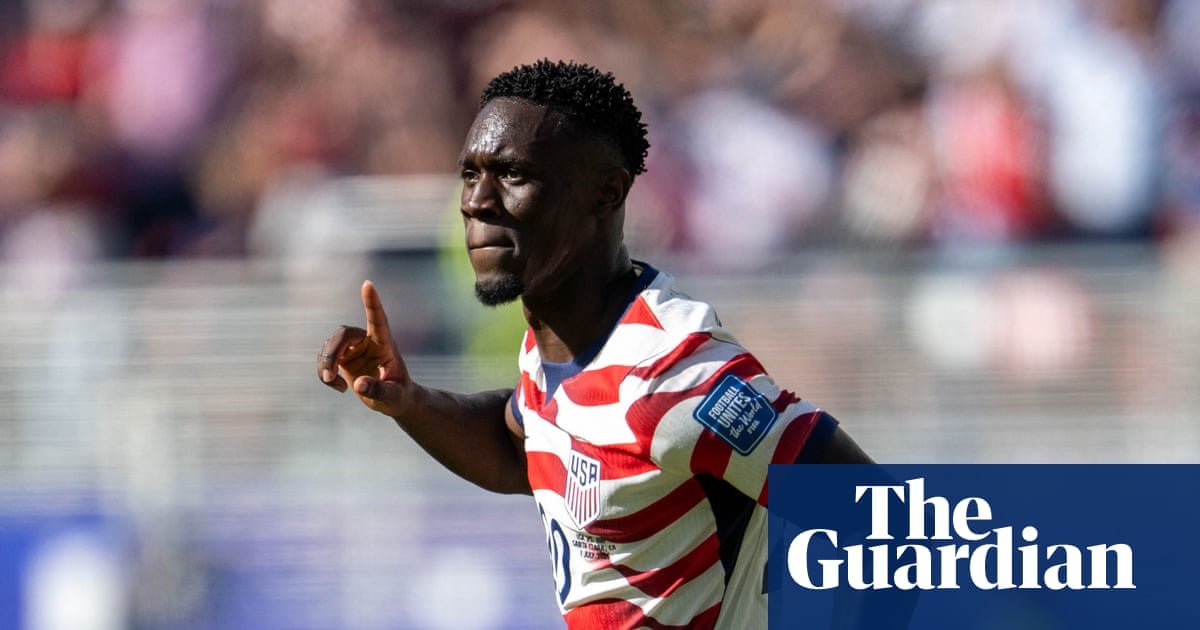
The United States men’s national team just received the ultimate tournament lifeline. Folarin Balogun, shown a straight red card during the tense last-32 clash against Bosnia and Herzegovina, is cleared to start against Belgium on Monday. In a move that surprised nobody familiar with FIFA's host-nation optics, the disciplinary committee suspended the striker's automatic one-match ban.
As The Guardian reported, FIFA officials cited a loopholed article in the disciplinary code to rescue the American forward. The political theater escalated immediately. Donald Trump publicly thanked FIFA for correcting what he labeled a great injustice, a statement carried by the BBC. The decision has sparked fury across the tournament, with Football365 pointing out how easily FIFA bent its own rules to appease the host nation.
Let’s strip away the geopolitical noise. This decision fundamentally alters the tactical layout of the round-of-16 match in Atlanta. Without Balogun, the USMNT attack becomes toothless, flat, and easy to pin back. With him, they possess the precise tool needed to exploit Belgium’s aging, slow-turning defensive line.
Why Balogun Alters the American Spacing
Balogun’s tactical value is not merely about goalscoring. It is about gravity. In the group stage, his positioning forced opposing center-backs to drop five yards deeper than they preferred. This created a massive pocket of space for Christian Pulisic and Timothy Weah to exploit on the half-turns.
When Balogun plays, he acts as a constant threat in behind. He averages 0.62 non-penalty expected goals (npxG) per ninety minutes. His main strength is the diagonal run from the blindside of the left center-back into the half-space. This movement stretches the opponent's defensive block and creates passing lanes for the midfield.
Without Balogun, the USMNT is forced to rely on Ricardo Pepi. Pepi is an admirable penalty-box operator, but he lacks Balogun’s lateral mobility. Pepi prefers to play with his back to goal, engaging in physical duels. Against Belgium's physical center-backs, a static target man is exactly what the Red Devils want to face.
The Technical Flaw in Balogun's Game
Yet, Balogun is far from a flawless forward. His disciplinary outburst against Bosnia showed a worrying lack of emotional control under pressure. More concerning for coach Gregg Berhalter is Balogun’s limited contribution to the build-up phase. He completes just 72% of his short passes when pressured by central defenders.
If Belgium can isolate him from the midfield, Balogun tends to disappear. He is not a forward who will drop deep to link play when his team is struggling. If the USMNT midfield is overrun, Balogun becomes a passenger. This puts immense pressure on the American double-pivot to progress the ball cleanly.
Targeting Belgium's Defensive Blindspots
Belgium’s defensive line is vulnerable to direct, high-speed transitions. Under Domenico Tedesco, the Belgians have attempted to implement a modern zonal pressing system. However, their execution remains flawed. The center-backs are uncomfortable defending forty yards of empty space behind them.In their group match against Ukraine, Belgium’s backline struggled whenever the opposition hit quick, vertical passes. The spacing between their central defenders and full-backs often exceeds fifteen yards. This is the exact zone where Balogun thrives. He has received 10 progressive passes in the box per game, showing his knack for finding these gaps.
The USMNT must trigger their transitions immediately upon winning possession. If they play slowly, Belgium will drop into a compact low block. Once set, Belgium’s physical superiority makes them incredibly difficult to break down. The key is catching them while their full-backs are still pushed high up the pitch.
The Midfield Pressing Triggers
The battle will be won or lost in the middle third of the pitch. The USMNT must target Amadou Onana when he receives the ball from his goalkeeper. Onana is excellent physically, but he can be careless under a coordinated press. Weston McKennie and Yunus Musah must jump him the moment he takes a heavy touch.
If the USMNT can turn the ball over in the middle third, Belgium's defensive structure will collapse. The Belgian defenders do not possess the recovery speed to match Balogun and Pulisic in a footrace. The game plan must be vertical, aggressive, and direct from the opening whistle.
The Verdict on Atlanta's Showdown
This match will not be a pretty exhibition of possession football. It will be a transition war. The USMNT will concede possession, happy to defend in a mid-block and strike on the counter. Belgium will control the ball but will constantly look over their shoulders, terrified of the space behind them.
FIFA’s controversial intervention has saved the USMNT from a blunt offensive display. Balogun’s presence gives the Americans the cutting edge they desperately need. His movement will create the single opening that decides this tight encounter.
Expect a chaotic, physical match with plenty of cards. The USMNT will exploit a late defensive mistake from a tired Belgian backline. A tight 2-1 win for the USMNT will send them into the quarter-finals, fully validating FIFA's highly questionable regulatory favor.
Read Next
- Thomas Tuchel must resist the temptation to beat Mexico at their own game
- Why Bazoumana Touré will force Eddie Howe to abandon his favorite formula
- Why Tony Popovic is the wrong man to lead the Socceroos forward
- Why Thomas Tuchel is about to run straight into Javier Aguirre's trap
- 🏆 World Cup 2026 — Full Coverage Hub
- 🇺🇸 USMNT World Cup 2026 — Team USA Coverage Hub
- 🇧🇪 Belgium World Cup 2026 — Red Devils Hub
- ⚽ MLS 2026 Season Hub — World Cup Year Guide