The opening night reality check
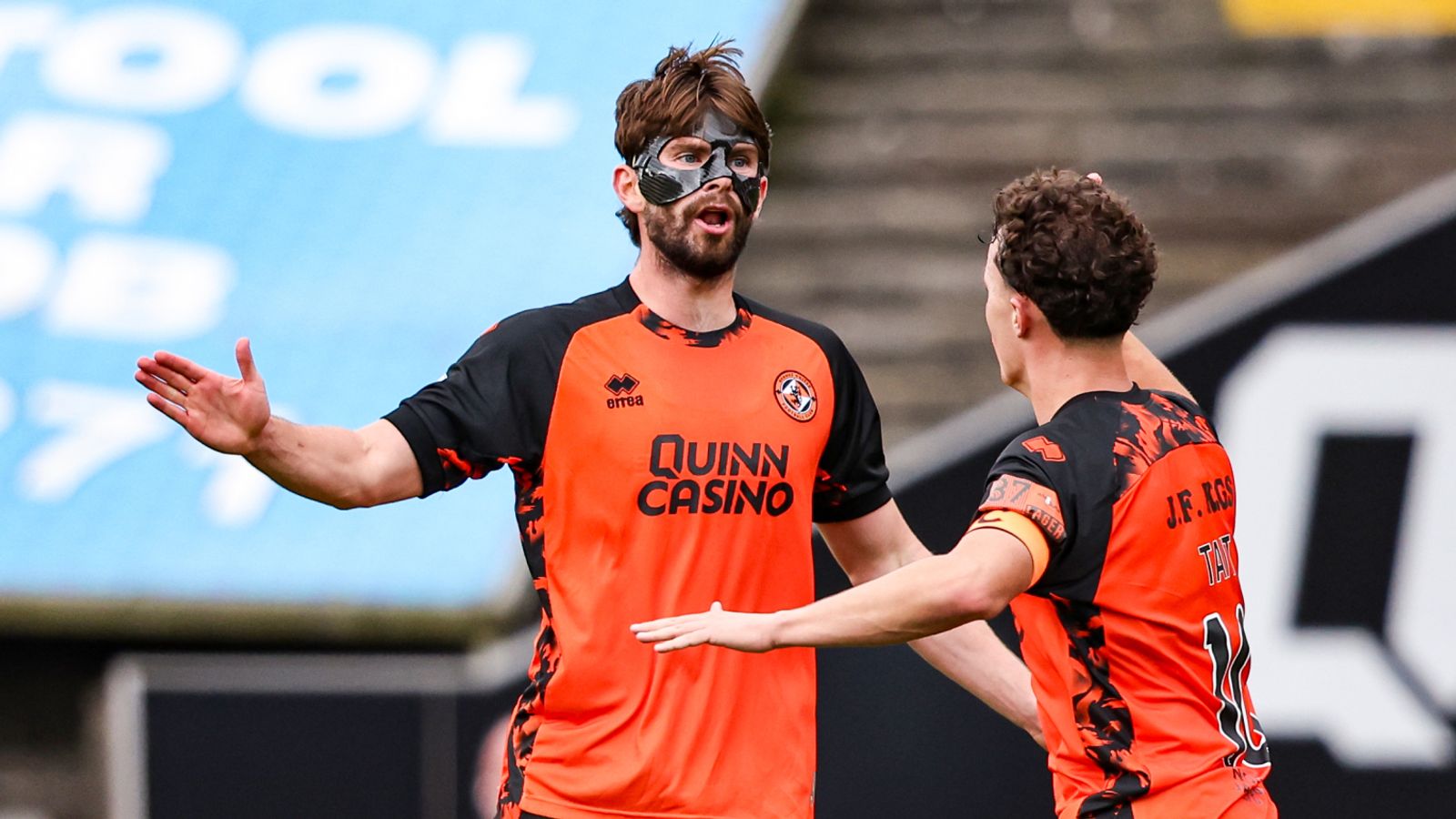
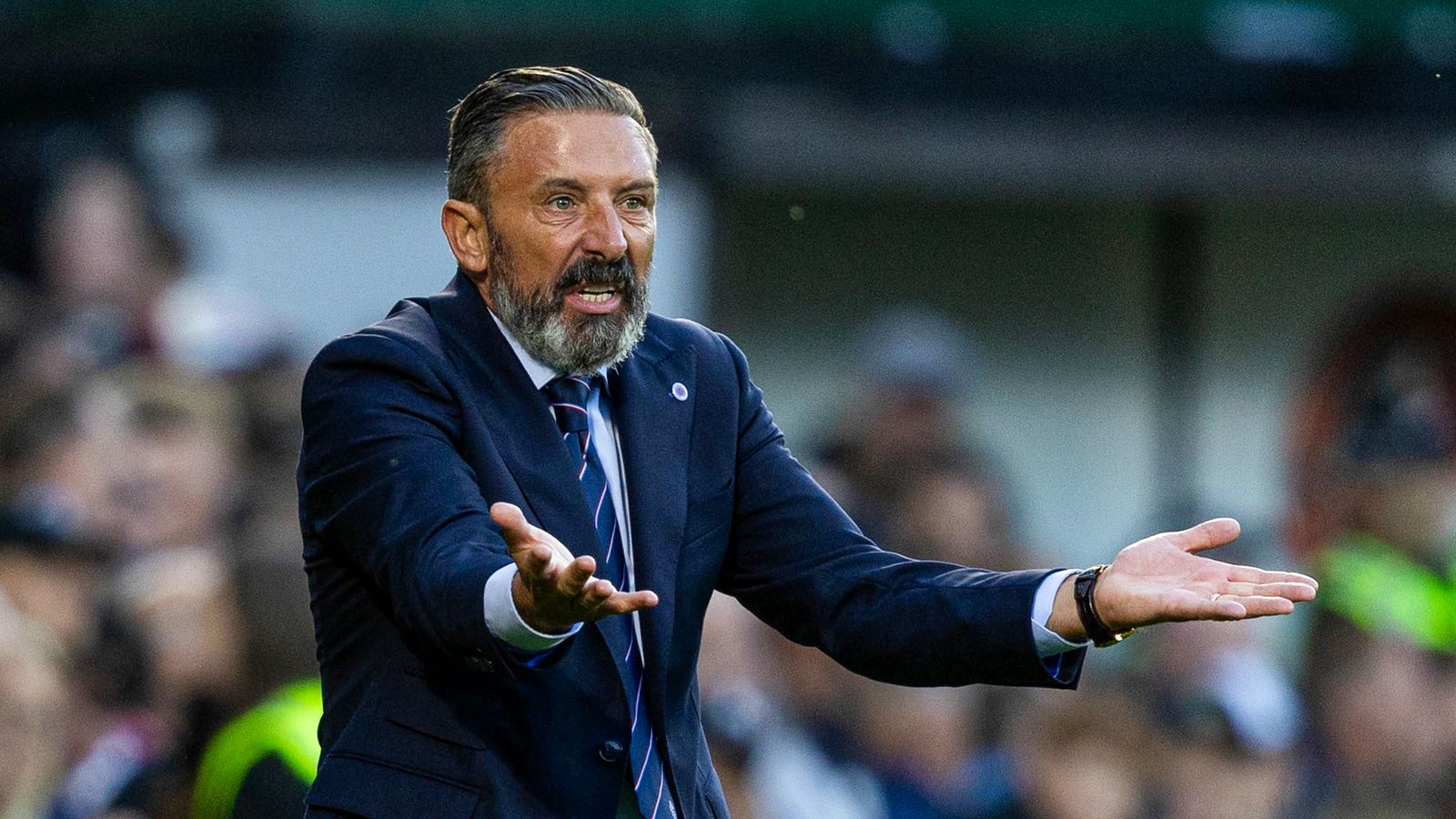
The Derek McInnes era at Ibrox was supposed to signal a clean slate. Instead, the underwhelming 1-1 draw at Tannadice on Friday evening serves as a jagged reminder that structural identity cannot be conjured out of thin air. Rangers arrived in Tayside with the weight of expectation, but they left with significant questions regarding their internal tempo.
Watching the match unfold, the spacing issues were glaring. Rangers struggled to bridge the gap between their midfield pivot and the attacking line during transition phases. Whenever they attempted to press, the defensive block remained too deep, leaving pockets of space for Dundee United to exploit on the counter.
Tactical stagnation in the final third
The patterns were rigid and predictable. Rangers kept plenty of possession, yet the ball velocity was nowhere near the standard required to break down a low block. In the first half, there was a clear reliance on wide overloads that were easily neutralized by the Dundee United back five.
McInnes has notoriously preferred a more compact, pragmatic style, but this version looked tentative rather than organized. When possession was regained, the immediate pass options were often sideways or backward. This lack of verticality allowed the opposition to reorganize their defensive shape with minimal stress.
The defensive vulnerabilities exposed
Perhaps the most concerning takeaway was the ease with which Dundee United bypassed the press. Rangers' structure looked brittle when challenged at the pace. It wasn't just individual errors; it was a fundamental disconnection between the press and the secondary cover behind the ball.
If you look back at the highlights from the 1-1 draw, notice how isolated the holding midfielders were when the ball was lost in the attacking third. There is no recovery pace in the current setup to compensate for that level of structural exposure.
What to watch for in the coming weeks
The upcoming run of fixtures will test whether this was merely opening-day jitters or a sign of deeper malaise. McInnes must decide whether to adjust the personnel to allow for more mobility or if the tactical blueprint itself requires a fundamental pivot.
Predicting the trajectory of a new manager is always fraught with risk. However, based on the tactical disjointedness observed at Tannadice, it is difficult to see Rangers finding their rhythm until they address the lack of composure in the transition phase. They will struggle to maintain intensity against teams that are more clinical on the break.
My assessment? Rangers will likely drop points in at least two of their next four matches if they persist with this hesitant, narrow build-up. The defensive line is currently conceding 1.4 goals per game on expected metrics, a figure that must shrink if they hope to challenge for the top of the table. Expect growing unrest from the support unless the attacking patterns become more fluid by the third matchday.
Read Next
- Derek McInnes gets an immediate reality check as Rangers stumble at Tannadice
- Derek McInnes has a massive problem at Rangers
- Thelo Aasgaard is becoming the midfield maestro Derek McInnes desperately needed
- Top 10: Most Significant Football Moments of the 2026 Opening Weekend
- ⚽ Scottish Premiership 2025-26 — Celtic vs Rangers Hub