The reality of the Rice injury situation
Declan Rice confirmed today he has been managing nerve pain in his hamstring since Christmas. The Arsenal and England midfielder admitted the issue has persisted throughout a period he described as an "obscene" accumulation of fixtures for both club and country.
Despite the medical concern, Rice insists he is available for the upcoming match against Ghana. He was substituted in the 73rd minute of England's opening 4-2 victory over Croatia on Wednesday, a move some signaled as a potential injury precaution.
Tactical management and timeline
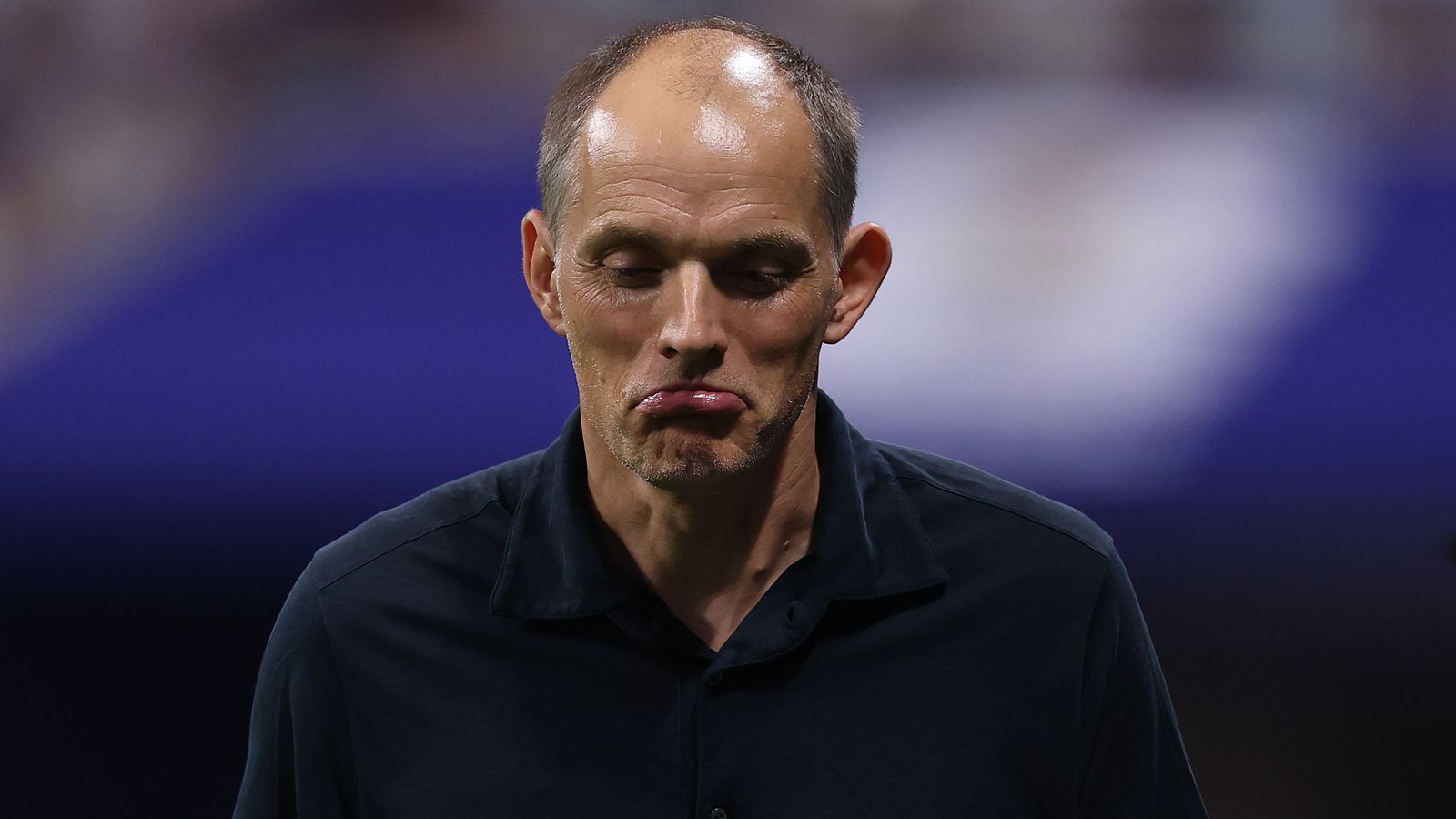
England manager Thomas Tuchel appears to be handling the situation with significant caution. After withdrawing Rice during the Croatia match, Tuchel has implemented a specific training regimen to monitor the midfielder's lower-limb loading. This decision to limit training intensity is likely aimed at preserving Rice for the deeper stages of the tournament.
As medical experts have noted, nerve-related hamstring issues are notoriously fickle. They rarely respond to standard rest protocols mid-season and often require surgical intervention or extended downtime during the off-season to resolve completely.
Rice is currently acting as an unofficial recruiter while in camp, reportedly pushing the Arsenal board to finalize an £85m deal for a midfield partner this summer. His ability to balance the physical toll of his current injury with these recruitment efforts speaks to his workload, but the long-term risk remains high.
Historical context and broader impact
Playing through chronic nerve impingement is a dangerous game for any elite midfielder. We have seen similar scenarios derail careers when players ignore localized numbness in favor of national team prestige. The cumulative effect of high-intensity Premier League football, paired with tournament demands, creates a physical deficit that often leads to explosive soft-tissue failure.
This is not a new phenomenon in English football. The schedule remains a primary friction point between elite clubs and the FA. Players are being forced to navigate a calendar that leaves zero margin for recovery. The decision to play through this pain is a testament to Rice's commitment, but the team's medical staff is taking a significant gamble by allowing participation in the Ghana fixture.
"The schedule is obscene for club and country but I am ready and fit for the England game."
The lack of depth in the defensive midfield pool for England is the only reason this is a talking point. If England had a traditional rotation option that matched Rice's distribution skills, he would likely be on the bench for the group stages. Instead, they are relying on a player working through a condition that should, under normal circumstances, be treated with six weeks of rest.
The missed opportunity
Critics might point to the failure of the FA and Arsenal to coordinate a proper rehabilitation window earlier this calendar year. Managing a nerve issue since December is poor planning. It suggests both parties prioritized short-term results over the long-term health of one of the league's most valuable assets.
If Rice suffers a rupture or an acute tear against Ghana, the blame will land squarely on the decision to push him through the tournament. England won their opener without needing him to work at 100 percent capacity against Croatia. Risking him for the second group game suggests a lack of trust in the squad's secondary options.
Read Next
- Declan Rice injury concern threatens to derail England's midfield engine
- Virgil van Dijk injury status remains uncertain following Sweden rout
- Jude Bellingham is putting the weight of England on his shoulders
- Top 10: Harry Kane's defining moments and quirks
- 🏴 England World Cup 2026 — Three Lions Hub