The Anatomy of a 49-Minute Premier League Awakening
Exactly 25 years and 94 days passed between Coventry City dropping out of the top flight on 19 May 2001 and walking onto the pitch at Emirates Stadium. That 9,219-day hiatus represents the longest gap between fixtures by any single club in Premier League history. Yet it took the defending champions just 49 minutes to completely dismantle Coventry's top-flight ambition and expose the vast structural gulf between division titles and elite reality.
Before the second half had even settled into a rhythm, Arsenal held a 3-0 advantage. Coventry registered a solitary shot on target across 90 minutes. That single metric tells the true story of Friday night's opener far better than raw possession numbers or vocal away support ever could.
The contrast between division boundaries remains staggering. Last season, the Sky Blues coasted to the Championship crown by 11 points ahead of Ipswich Town. On Friday, their tactical shape evaporated under minimal central pressure from Arsenal's midfield engine.
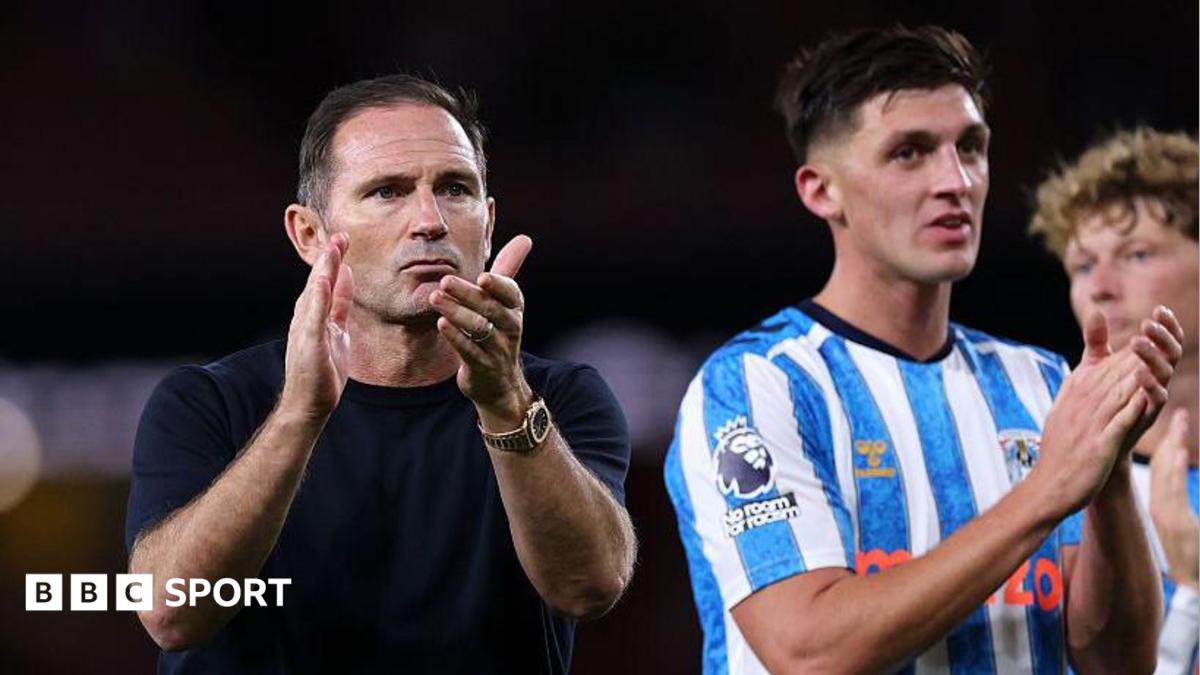
Frank Lampard watched his side concede three goals in an opening blitz that felt less like a competitive fixture and more like a tactical execution. Arsenal pushed their full-backs high, overloaded the half-spaces, and bypassed Coventry's defensive lines with effortless precision. Every turnover in the central third triggered an immediate vertical counter-attack that caught Coventry's backline flat-footed.
£130m Spent, One Shot on Target Returned
Coventry did not enter the top flight unprepared in financial terms. The board backed Lampard with approximately £130m in summer spending, smashing the club's transfer record four times in a single window. Midfielder Caleb Yirenkyi arrived as the centerpiece signing for £23.1m, anchored alongside Frank Onyeka, Aurele Amenda, Loum Tchaouna, and goalkeeper Carl Rushworth.
All five marquee additions started at the Emirates, while Gustavo Hamer and Taiwo Awoniyi came off the bench. Yet throwing seven new faces onto the pitch simultaneously created severe friction. As BBC Sport reported, the Sky Blues failed to sustain basic possession patterns under elite pressing triggers.
The counterintuitive reality of massive transfer overhauls is that heavy spending often degrades early-season cohesion. Instead of relying on the automated passing sequences that dominated the Championship, Coventry looked like eleven individual athletes struggling for unfamiliar spacing cues. Their passing accuracy in the attacking third plummeted below top-flight standards.
Yirenkyi and Onyeka were repeatedly isolated in central midfield. When Arsenal triggered their mid-block press, Coventry had no progressive passing lanes available, resulting in turnover after turnover in dangerous central areas. Yirenkyi was swarmed whenever he turned toward goal, while Onyeka was forced into lateral recycling that created zero forward momentum.
The offensive numbers were damningly scarce. One lone attempt tested the goalkeeper, while Awoniyi and Tchaouna combined for zero touches inside the penalty box during their combined minutes on the pitch. Capital outlay guarantees talent, but it cannot purchase immediate positional intuition against the defending champions.
Captain Matt Grimes summarized the squad's pragmatic post-match perspective directly in his interview.
"Our season won't be defined by coming to places like this and getting beaten."
Defensive Disorganization under Elite Pressure
Analyzing the defensive mechanics reveals serious vulnerability in transition. Amenda found himself dragged out of position on three separate occasions in the first half alone. Arsenal exploited the wide channel between Coventry's wing-back and central defender with basic third-man runs that repeatedly unlocked the penalty box.
Rushworth faced five shots inside his six-yard box before the interval. The lack of protection from the midfield pivot allowed Arsenal's attackers to operate with minimal physical resistance. When an opposition team scores three times before the 50th minute, structural compacting has utterly failed across all three lines.
Lampard's tactical system required his full-backs to push aggressive lines to support counter-attacks. Against Arsenal's wingers, that aggressive positioning left massive operational space in behind. Coventry were punished for every single yard of over-extension, leaving Amenda isolated against isolated wide overloads.
The Opta Fixture Trap and Historical Precedent
Context matters when evaluating early-season damage. According to Opta, Coventry face the single hardest opening fixture schedule of any team in the Premier League this season. With trips to Manchester City and Nottingham Forest scheduled for next month, early points will be fiercely contested across every fixture.
However, early heavy defeats do not automatically signal immediate relegation panic. As detailed in match analysis, Leeds United suffered a brutal 5-0 defeat at the Emirates early last season and still retained their top-flight status comfortably by May.
The critical distinction lies in squad evolution and tactical stability. Leeds possessed established pressing patterns, whereas Coventry are attempting to integrate seven new top-flight starters while shifting tactical philosophies on the fly. Blending new signings under high-intensity match conditions takes weeks of repetition.
Lampard has experience managing rapid rebuilding projects under pressure. He took over Coventry in November 2024 when the club sat 17th in the Championship table following Mark Robins' departure. Turning a struggling second-tier team into dominant champions within six months proved his motivational ability, but elite tactical organization demands far tighter margins than second-tier competition.
The upcoming home match against play-off winners Hull City at the Coventry Building Society Arena now carries massive psychological weight. Last season in the Championship, both meetings between Coventry and Hull ended in frustrating 0-0 draws. Breaking down a familiar opponent will reveal far more about Coventry's true survival credentials than surviving an Emirates onslaught ever could.
From League Two Turmoil to Emirates Realism
To understand the magnitude of Coventry's current position, one must measure the distance traveled over the past decade. The club endured a 34-year top-flight stay until 2001, followed by 11 years in the Championship and eventual collapse into League One during 2011-12.
By 2016-17, the Sky Blues had sunk to League Two. They were homeless, forced into temporary ground-sharing arrangements in Northampton and Birmingham while corporate ownership disputes threatened basic operations. Returning to the top flight required consecutive promotions, stadium resolution, and sustained rebuilding across multiple divisions.
Lampard highlighted this long-term context when speaking to reporters after the match.
"A few years ago this club was in League Two, playing in a different stadium."
That historical perspective offers comfort to supporters who spent two decades watching their club drift through lower-league exile. Yet nostalgia provides zero points in the Premier League standings. The cold numbers of top-flight football demand immediate tactical adjustments.
Coventry cannot afford another performance where they manage only one shot on target while conceding three goals in 49 minutes. High-priced summer arrivals must adapt to Premier League decision-making speed instantly, or the club's long-awaited top-flight return will turn into a brief, expensive nightmare.
Read Next
- Promoted teams are heading straight into a Premier League meat grinder
- Why Arsenal fans should be begging to lose the Community Shield on Sunday
- Alexander Isak faces Newcastle cauldron as Premier League season kicks off
- Curtis Jones to Inter exposes Liverpool's dangerous transfer gamble
- ⭐ UCL 2026 — Champions League Quarter-Finals Hub