Public money, private stadium
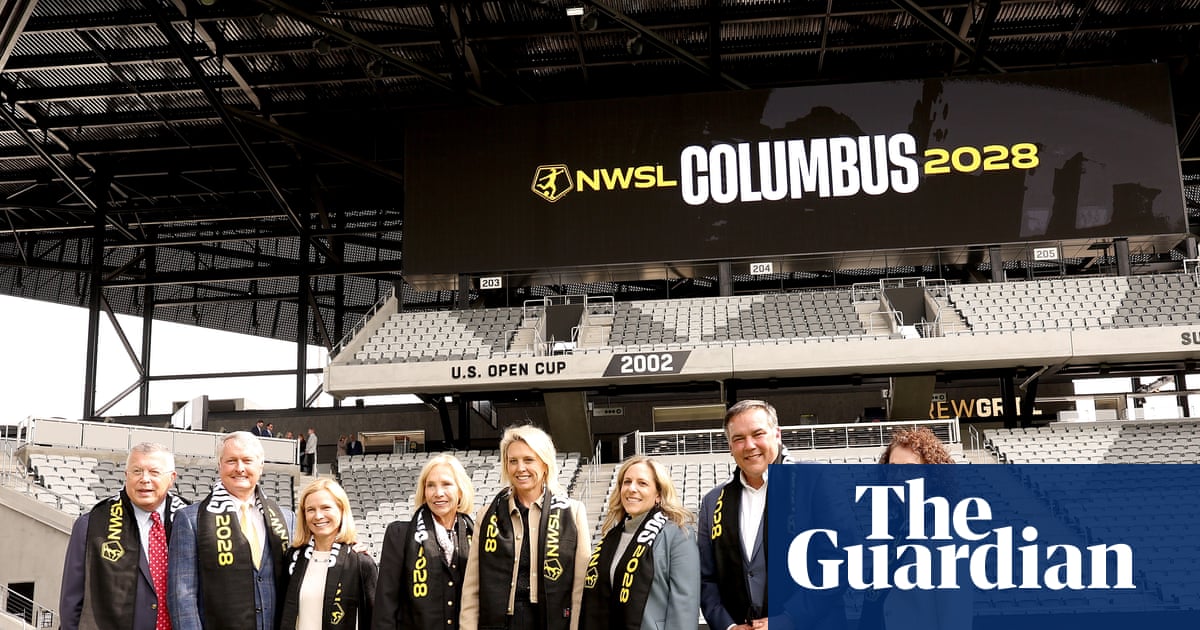
The NWSL is officially arriving in Columbus, but the ink on the $205m expansion announcement is barely dry before the questions start hitting the press box. We are being sold the dream of rapid growth and league scale. On the ground, however, the math is starting to look suspicious.
The financing model relies heavily on public-private maneuvers that have local taxpayers holding their breath. While fans are rightfully excited about the prospect of top-tier professional football returning to the city, the friction regarding the training facilities and park access is unavoidable. As reported recently, this expansion is creating tension that winning a few matches next season won't immediately solve.
The cost of top-tier growth
League expansion is rarely as clean as a press release claims. You have an entry fee of $205m, a number that sounds more like venture capital than sports development. That capital needs to generate a return, which means the front office is going to be squeezed on every front from game-day experience to community land use.
We have seen this script before in other markets. The initial euphoria of a new franchise usually carries the club through its first season. By year three, when the shine wears off, the true overhead of these massive urban projects comes into focus. Expecting a local park system to bear the burden of professional training site development is a strategy that assumes public patience is infinite.
Tactical focus and the pitch
If we look past the balance sheet, Columbus is a legitimate football city. The fan base has successfully navigated the complexities of MLS and the Crew's own stadium evolution. They know how to separate the product on the pitch from the front office blunders.
What worries me isn't the talent on the roster, but the institutional fatigue. If the club enters the league with a cloud of real estate litigation or park access disputes hanging over their opening kickoff, the atmosphere will be toxic before the first whistle. Smart front offices understand that the stadium is only half the battle; the other half is community equity.
Final assessment
Columbus will eventually find its rhythm, but the administrative start is shaky. My call: we see a high-energy home debut, followed by a mid-season slump driven entirely by off-field distractions. The ownership needs to address the public funding critique immediately. If they ignore the dissent, they aren't just losing PR; they are losing the soul of the supporters before the inaugural season even hits the halfway mark. Expect a 1-1 draw in the home opener, leaving more questions than answers.