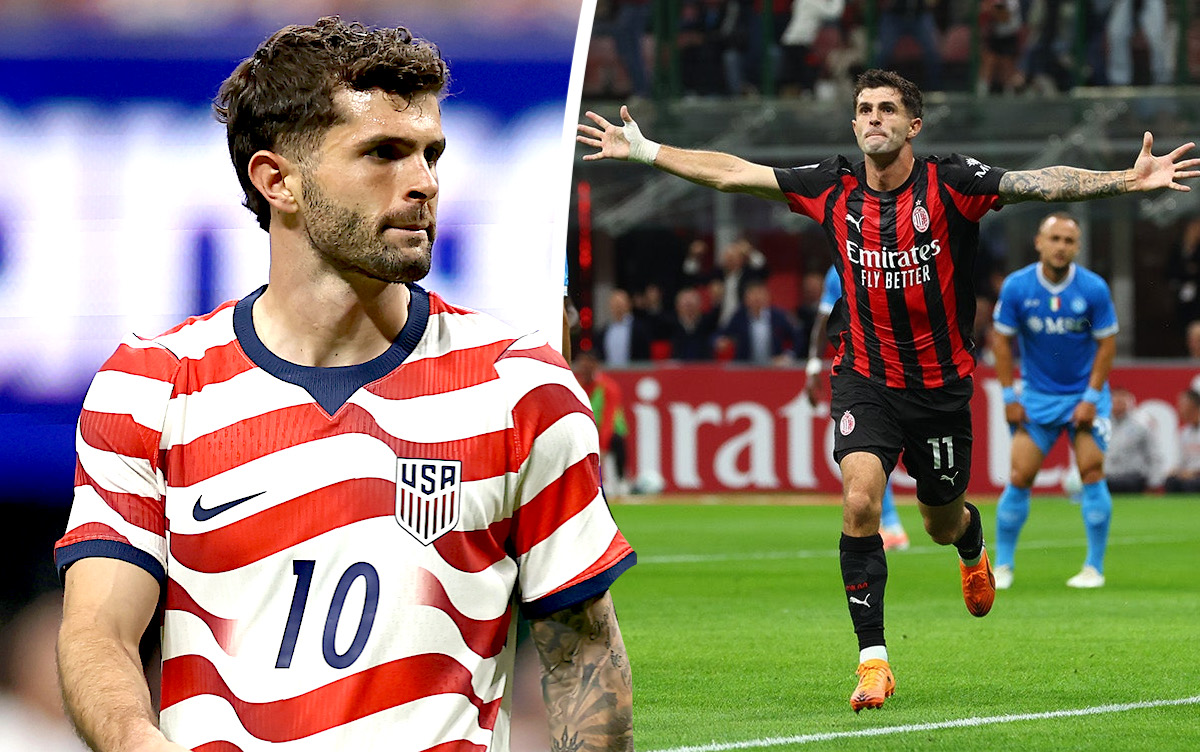
The transition from star to spectator
Christian Pulisic stands at a crossroads that feels suspiciously quiet for a man who spent the last year being the engine of AC Milan. The narrative once centered on his revival in Italy, a high-octane reclamation project that successfully shed the sluggishness of his final Chelsea years. Yet, as the calendar pushes toward the heat of late spring, the conversation has inverted into a critique of his output.
Reports from La Gazzetta dello Sport suggest the American is locked in a taxing search for goals, grappling with a drought that threatens to define his current campaign. It is a harsh turn of events for a player who, just months ago, appeared to be the undisputed leader of a charging Milan side. When a player’s rhythm fractures, the support structures within a squad often start to groan under the pressure of the expectation placed upon them.
The weight of heavy reliance
The tactical reality at San Siro has always been binary: Milan succeeds when Pulisic and Rafael Leao are in sync. When they are not, the mechanical failures become impossible to ignore. As Sempre Milan noted, the team’s dependence on this specific duo has created a vulnerability where individual slumps manifest as team-wide tactical paralysis. It is a high-wire act that leaves little room for the lulls inherent in a demanding schedule.
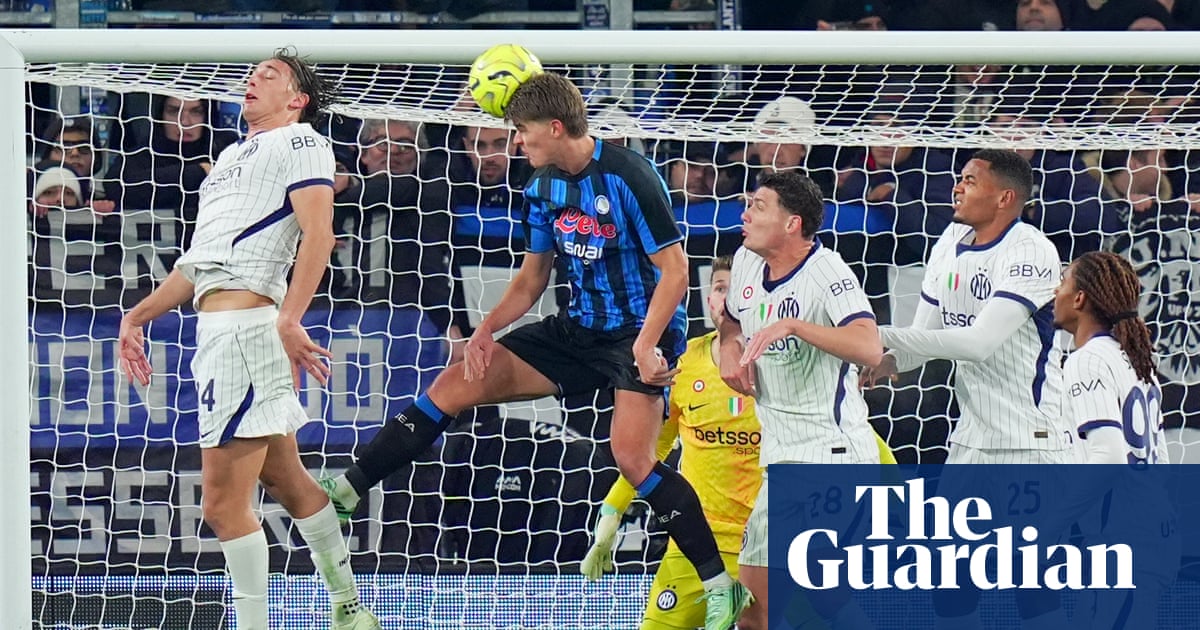
Recent usage patterns have been telling. The sight of Pulisic playing less than 30 minutes in a high-stakes fixture against Napoli signals a drastic cooling of confidence. Speculation regarding his future has begun to bubble, fueled by the cold math of declining minutes and the lack of impact when he is on the pitch. Even his teammate Ruben Loftus-Cheek has publicly addressed these difficulties, highlighting the struggle to find the fluency that made them a fearsome unit early in the season.
The shadow of external noise
Professional footballers live in a hermetically sealed world, but private upheavals have a way of seeping into the public consciousness. News of a breakup with golfer Alexa Melton surfaced recently, a personal complication that arrives at the absolute worst moment for an athlete already mired in a statistical rut. Whether it is a distraction or merely a coincidence, it adds a layer of scrutiny that players of his profile rarely escape.
Management has attempted to temper the panic. There is an expressed confidence, notably from Massimiliano Allegri, that the drought is temporary—a statistical anomaly rather than a permanent decline. Yet, as Milan fights to maintain its standing, the buffer for optimism is shrinking. The club is currently forced to navigate a period where the noise outside the locker room threatens to drown out the tactical adjustments required on the training ground.
The path ahead
The remaining weeks of the season will either be a return to form or a quiet fizzle that leads to painful post-season questions. Pulisic has faced skepticism in Germany and England, proving his detractors wrong with timely bursts of productivity. However, the Serie A challenge is nuanced, requiring a tactical discipline that doesn't always reward the explosive, head-down style that launched his career.
He is no longer the new, exciting import; he is a known variable. Opponents have analyzed his tendencies, crowded his space, and forced him toward his weaker foot with more regularity than at any point in his career. If he cannot evolve his approach to navigate this tightening space, he risks being relegated to a supporting role as his team looks for the next spark to ignite their attack.
With the 2026 World Cup hovering on the horizon, the pressure is not just institutional—it is national. American soccer fans see him as their primary envoy to the highest levels of the sport. Watching him navigate this specific slump serves as a stark reminder that even the most celebrated journeys rarely follow a straight line.