Deadline Day Failure Comes Back to Haunt Chelsea
Chelsea spent the final hours of the summer transfer window chasing central midfield reinforcements without closing the deal. Lamine Camara has now spoken publicly about the failed deadline day move, confirming late negotiations broke down before paperwork was finalized. As Metro UK reported, the player acknowledged the situation shortly after the window shut.
The administrative failure to secure Camara leaves head coach Xabi Alonso in a bind. Chelsea attempted to signal stability off the pitch by tying winger Pedro Neto to a long-term contract extension. Locking down wide attacking talent does nothing to resolve the immediate structural shortage in central midfield.
Dithering during deadline week is already hurting the Blues on the pitch. Leaving the squad with only one fully fit natural central midfielder in mid-September represents poor roster construction. When injury strikes the spine of a team, tactical plans collapse quickly.
Alonso wanted Camara because the midfielder provides energetic ball-winning and crisp transitional passing under pressure. Without another body to take defensive pressure off the starting pivot, Chelsea look exposed. Now the board must watch their unfinished business play out in real time.
Alonso Navigates a Growing Midfield Emergency
The full extent of Chelsea's midfield shortage becomes clear ahead of Saturday afternoon's fixture against Hull City at Stamford Bridge. Alonso confirmed on Friday that Moises Caicedo will miss the 3pm kick-off entirely. The Ecuador international continues to struggle with an ongoing muscle issue.
Caicedo suffered his original injury in the build-up to Chelsea's season opener against Fulham. He missed that opening match, then returned to action off the bench against Brighton. That decision backfired immediately.
Caicedo managed just 14 minutes on the field before pulling up and limping straight down the tunnel. The brief cameo aggravated his existing issue, forcing him out of last weekend's high-profile clash with Arsenal. Medical staff now hope he might return against Brentford next weekend.
Caicedo is far from the only missing option in the Cobham treatment room. Summer signing Marco Palestra remains unavailable for selection due to ongoing fitness problems. Meanwhile, experienced midfielder Jordan Henderson is still sidelined while recovering from a wrist injury sustained with England at the World Cup.
These combined absences leave Belgian youngster Romeo Lavia carrying an unfair portion of the workload. Lavia has started the domestic campaign in impressive form, but he lacks a consistent partner. Alonso has been forced to invent solutions on the fly.
Against Arsenal last weekend, Alonso shifted club captain Reece James out of defense and into central midfield. While James possesses the physical presence to compete inside, moving him leaves Chelsea weaker at right-back. Converting full-backs into emergency midfielders is a desperate stopgap, not a serious strategy for a top-four contender.
Tactical Imbalance and Defensive Vulnerabilities
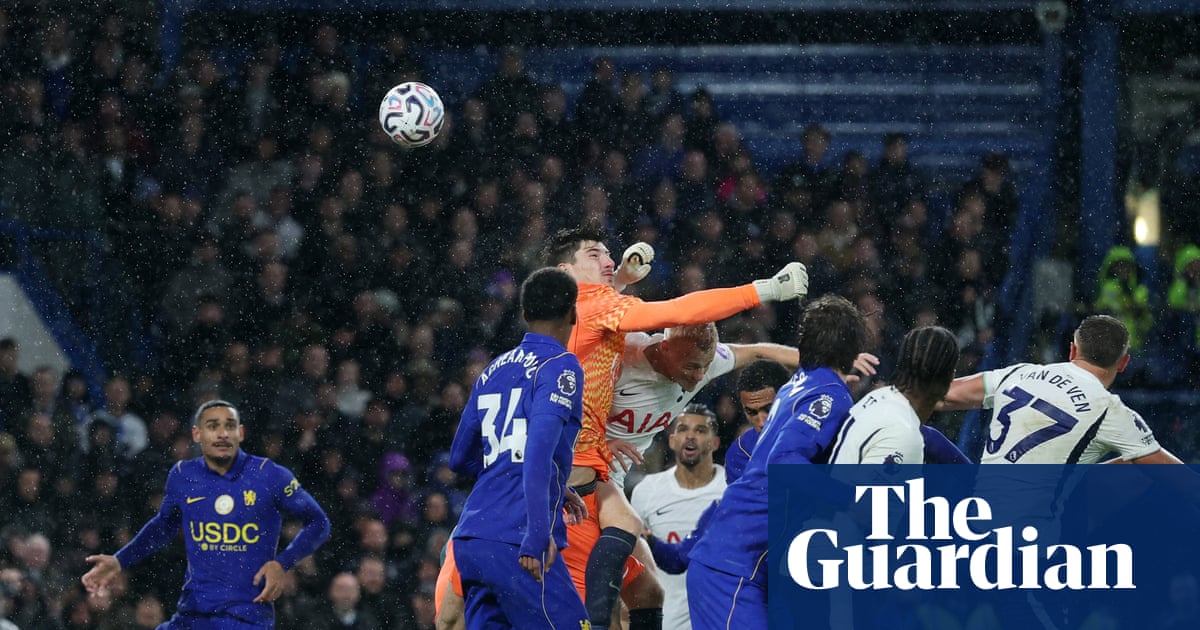
The cracks in Chelsea's midfield structure were visible even during victories. In their frantic 4-3 win over Brighton at Stamford Bridge, Chelsea ceded control for vast stretches of the match. The visitors dominated the ball, exposing how easily Alonso's side loses authority without central stability.
Brighton controlled nearly 75% possession during that match and carved through Chelsea's defensive lines with alarming ease. German veteran Pascal Gross found space to score for Brighton, highlighting how wide the gaps become when Chelsea lack proper central coverage. Winning by outscoring opponents in chaotic shootouts is unsustainable over a nine-month season.
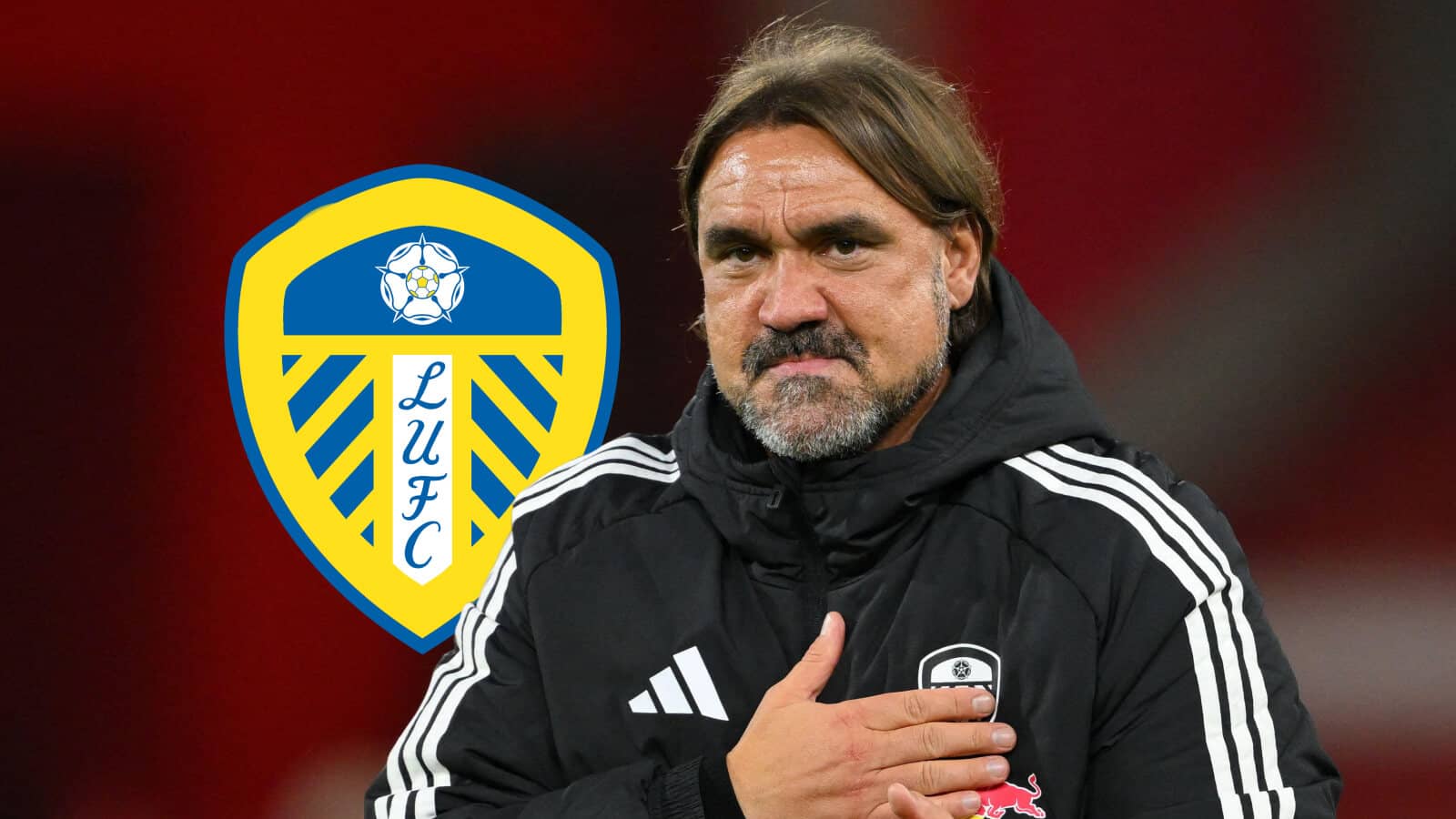
Midweek action in the Carabao Cup brought further tactical anxiety. Defender Levi Colwill made his return to the starting lineup against Leeds United after remaining an unused substitute against Arsenal. Colwill played well, but his afternoon ended abruptly after 76 minutes.
The 23-year-old center-half walked straight down the tunnel upon his substitution, sparking fears of another defensive setback. Alonso moved quickly post-match to clear up concern, clarifying that Colwill suffered no fresh injury. Still, the sight of key defenders walking off injured underlines how thin squad depth truly is.
Forcing James into midfield also limits Chelsea's attacking width. James produces some of the finest crossing in the Premier League from deep right positions. Confining him to central tackling duties robs the forward line of direct service and predictable overlap play.
Opposition managers recognize Chelsea's current weakness. When teams press Lavia aggressively, Chelsea lack a press-resistant outlet to advance the ball. That flaw forces defenders into hasty long passes or dangerous backward resets under heavy pressure.
Off-Field Scrutiny and Hull City's Troubles
Hull City arrive at Stamford Bridge today under intense regulatory scrutiny. As BBC Sport detailed, the FA fined Hull £30,000 following discriminatory chanting during their 4-0 FA Cup defeat against Chelsea at the MKM Stadium in February.
The governing body charged Hull after spectators ignored multiple warnings over the stadium public address system and digital screens. Three supporters received minimum three-year stadium bans, while police arrested three individuals following the match.
"Hull City condemns, in the strongest possible terms, the offensive and inappropriate language used by the supporters responsible."
Hull executive leadership issued clear warnings to traveling supporters ahead of Saturday's fixture in London. The club reminded fans that discriminatory behavior will result in immediate ejection and criminal prosecution. Off-field discipline remains a priority as football authorities enforce strict standards across all divisions.
On the pitch, Hull will attempt to exploit Chelsea's makeshift central combination. Hull already demonstrated their ability to frustrate opposition by taking three points away from Coventry City two weeks ago. If Hull compress space in midfield, Chelsea could face a frustrating afternoon.
Contrasting Recruitment: Brighton's Smart Business
Chelsea's deadline day scramble looks even worse when compared to how other clubs managed their summer business. As Football365 previewed ahead of Sunday's clash at the CBS Arena, Brighton executed target acquisitions with clear foresight.
Brighton secured winger Femi Azeez from Millwall for a fee of £15million, adding explosive talent to their frontline. Azeez is set to feature against Coventry alongside returning attacker Georginio Rutter and midfielder Zadok Yohanna. Brighton identified needs early and closed deals without public drama.
Brighton head coach Fabian Hürzeler faces his own extensive injury list, with Kaoru Mitoma, Evan Ferguson, Yankuba Minteh, Jack Hinshelwood, Mats Wieffer, and Stefano Tzimas all ruled out. Yet Brighton's squad depth allows them to field a competitive side despite missing six regulars.
Coventry City sit bottom of the table under manager Frank Lampard after three consecutive league defeats. Lampard's team suffered a 3-0 loss at Arsenal, a 1-0 home defeat to Hull, and a 1-0 loss at Manchester City. Coventry have failed to score a single goal in domestic play this season.
Lampard also deals with fitness issues. Haji Wright remains out with a quad injury, Kaine Kesler-Hayden has a hamstring problem, and Luke Woolfenden recovers from a knee injury. New signing Sidiki Cherif is still building up match fitness, though goalkeeper Carl Rushworth starts against his former club.
Coventry are searching for their first Premier League victory since April 2001, when they defeated Sunderland 1-0 before their long exile from the top flight. While Coventry created chances at the Etihad last week, their lack of quality in front of goal makes survival an uphill battle.
What Lies Ahead for Chelsea in January
The contrast between Brighton's strategic planning and Chelsea's reactive transfers explains why Chelsea find themselves stretched thin. Relying on late window gambles leaves a squad vulnerable to the first wave of autumn injuries. Alonso is paying the price for recruitment errors made above his head.
A January bid for Camara now looks like a necessity rather than an option. The player's decision to speak publicly about the failed deal indicates personal terms will not block a future transfer. If Camara wanted to close the door, he would have remained silent.
Chelsea must evaluate the probability of finalizing this deal when the transfer window reopens. The overall likelihood of Chelsea securing Camara in January stands at Medium. Player interest remains High, and squad necessity is High, but valuation agreements between negotiators remain unresolved.
Preliminary contacts between representatives are expected to restart by late November 2026. If Caicedo suffers further injury setbacks during the grueling autumn schedule, Chelsea will attempt to agree on terms before the window opens on January 1, 2027.
Adding Camara in midseason would immediately transform Alonso's tactical options. It would allow Chelsea to deploy a true double-pivot without sacrificing defensive shape. Most importantly, it would allow Reece James to return full-time to right-back, restoring balance to Chelsea's flank play.
Until January arrives, Alonso must navigate Premier League and cup fixtures using patched-together combinations. Saturday's match against Hull will show whether Chelsea can manage without central balance. Buying late is expensive, but failing to plan properly carries a far higher cost on the pitch.