The battle for Premiership control begins in the boardroom
The Scottish Premiership does not sleep, even in the dead of the June heat. While fans look forward to the opening fixtures in August, the real tactical battle lines are already being drawn in Glasgow boardroom meetings.
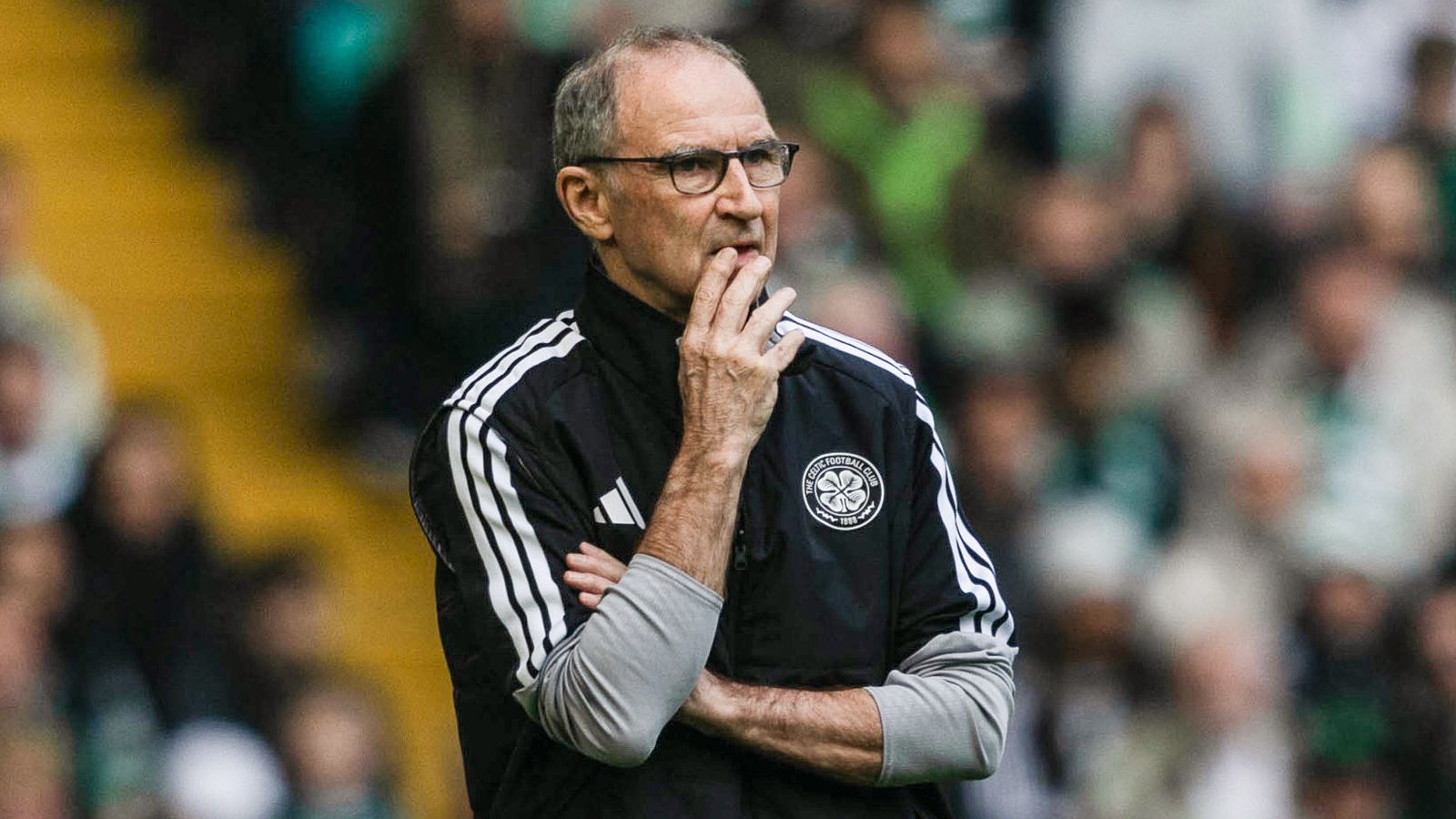
The dugout setup has shifted dramatically over the past year. Martin O'Neill is now back at Celtic Park on a permanent one-year contract after his interim spell, following Brendan Rodgers' departure last October. Across the city, Derek McInnes took the reins at Rangers on June 17, 2026, succeeding Danny Röhl who departed for RB Salzburg.
Both managers inherit squads with gaping holes that require immediate structural repair. Signing players is only half the battle; establishing a coherent tactical system before the opening whistle is what actually determines success. The recent rumors highlight how both clubs are approaching their rebuilds with contrasting, yet equally risky, strategies.
Celtic's main priority is fixing an engine room that looked slow and ponderous in transition last term. Rangers, meanwhile, are contemplating a bizarre goalkeeping shuffle that could redefine their defensive solidity. Right now, both Glasgow clubs are walking a very thin tightrope.
Tactical analysis of the Glasgow rebuilds
Celtic's penny-pinching in the engine room
Celtic's pursuit of Miguel Chaiwa is the definition of a necessary transfer. The 22-year-old Zambian midfielder spent the last year at Easter Road, establishing himself as one of the most effective destructive forces in the league. Chaiwa played 1,800+ minutes for Hibernian last season, serving as their tactical anchor.
Chaiwa is a high-volume defensive presence. Data from last season shows he averaged 3.8 tackles and 1.9 interceptions per 90 minutes. He excels at covering the half-spaces when full-backs push high.
His recovery pace allows him to halt counter-attacks before they reach the defensive line. Furthermore, his progressive passing accuracy under pressure sat at a respectable 78% last term, proving he is not just a destroyer.
Yet, Celtic are currently refusing to pay the premium required to secure him. According to the latest gossip from BBC Sport, the Hoops are stalling on the deal. Hibernian want a fee of £7 million for their prize asset, while Celtic have only tabled £5 million.
Hibernian are under absolutely no pressure to sell their midfielder, who is contracted until May 2028. The Easter Road club recently pocketed £6 million from the sale of Kieron Bowie. They do not need the money.
Celtic's stingy approach is a major tactical risk. It could leave O'Neill's midfield exposed when the season begins on August 3 against Dundee. If Celtic miss out on Chaiwa, they will start the season with a glaring lack of athletic dynamism in the pivot.
O'Neill's tactical system relies on a physical screen to protect the central defenders. Without a player of Chaiwa's profile, Celtic will remain vulnerable to rapid transitions. The board's refusal to close the £2 million valuation gap is an unnecessary gamble with the title on the line.
The Jack Butland gamble at Ibrox
If Celtic's problem is caution, Rangers' issue appears to be reckless experimentation. The rumors out of Ibrox suggest McInnes is considering a goalkeeper swap deal with Hull City. The proposed trade would see Jack Butland head to the Championship side, with 26-year-old Croatian Ivor Pandur moving in the opposite direction.
This is a staggering risk for a new manager to take in his first month. Butland has been Rangers' most reliable performer over the last two seasons. His shot-stopping ability and leadership from the back have saved countless points.
In contrast, Hull values Pandur at £10 million, a fee Rangers cannot pay directly due to their own financial constraints. Pandur kept a decent clean sheet record in the Championship last season, registering a 74.2% save percentage. However, his post-shot expected goals (PSxG) minus goals allowed was only +0.03.
Butland, on the other hand, recorded a stellar +0.18 per 90 in the Premiership, indicating he regularly saves shots that an average goalkeeper would concede. Why would McInnes sanction this swap? The theory is that Hull City need to generate capital or balance their books to comply with Financial Fair Play rules, making a swap deal attractive.
McInnes also wants a keeper who is more proactive in his starting position. Pandur averages 1.4 defensive actions outside the penalty area per 90, compared to Butland's 0.6. Still, sacrificing Butland's elite shot-stopping for Pandur's sweeping ability is a questionable trade.
It gets more complicated. Rangers are also tracking Palermo's 23-year-old goalkeeper Sebastiano Desplanches, but they face stiff competition from Norwich City, who are now managed by former Rangers boss Philippe Clement. If Rangers lose out on both Pandur and Desplanches while alienating Butland, their entire defensive structure could collapse before August.
Tactical shifts under O'Neill and McInnes
The transfer business of both clubs directly influences how they will set up tactically. Martin O'Neill's football has always been defined by structure, physical dominance, and direct wing play. He wants the ball moved quickly to the flanks, followed by heavy box loading.
This style requires an elite ball-winner in the center of the pitch. Reo Hatate is a creative force, but he cannot carry the defensive load alone. Without Chaiwa, Celtic's midfield lacks the muscle to execute O'Neill's mid-block effectively.
The defensive burden will fall heavily on Viljami Sinisalo, who is projected to start in goal following Kasper Schmeichel's sudden retirement due to a chronic shoulder injury. Sinisalo is a talented young keeper, but he does not possess Schmeichel's presence or organizing ability. If Celtic fail to secure a solid midfield screen, the young Finnish keeper will find himself exposed early and often.
McInnes wants Rangers to play a high-intensity, transition-based game. His teams at Aberdeen were known for their verticality and aggressive pressing. At Rangers, he wants to implement a modern 4-2-3-1 that defends in a compact 4-4-2.
This requires defenders to play with a high line, exposing the goalkeeper to long balls over the top. This is why McInnes is hunting for a sweeper-keeper like Pandur. Butland is a traditional line-keeper who prefers to stay on his goal line.
If Rangers play a high line with Butland, the space between the goalkeeper and the center-backs becomes a massive target for opponents. However, swapping a proven winner for a player unaccustomed to the unique pressure of Glasgow is a massive gamble. The tactical transition could prove too steep during the opening weeks.
The Verdict: A season defined by structural compromise
The transfer window is a game of patience, but time is running out. Celtic's reluctance to meet Hibs' valuation for Chaiwa is a sign of familiar boardroom hesitancy. If the board does not pay the extra £2 million to secure the midfield anchor, they will regret it by autumn.
Rangers are taking an even bigger gamble. Trading Butland for Pandur is a high-risk move that could alienate the fans if the Croatian struggles early on. The pursuit of Desplanches as an alternative shows McInnes is active, but competing with Clement's Norwich is never easy.
Rangers are rebuilding their spine from scratch, which rarely leads to immediate success. Celtic have the more stable foundation, even with their current transfer gridlock. O'Neill knows how to win in Scotland, and his pragmatic style will grind out results even if the squad is incomplete.
Rangers under McInnes will experience severe growing pains as the players adapt to a new tactical system and a new goalkeeper. My prediction is clear: Celtic will secure the Premiership title by at least six points, exploiting Rangers' defensive instability during the opening two months of the campaign.