
Early Cup physical toll
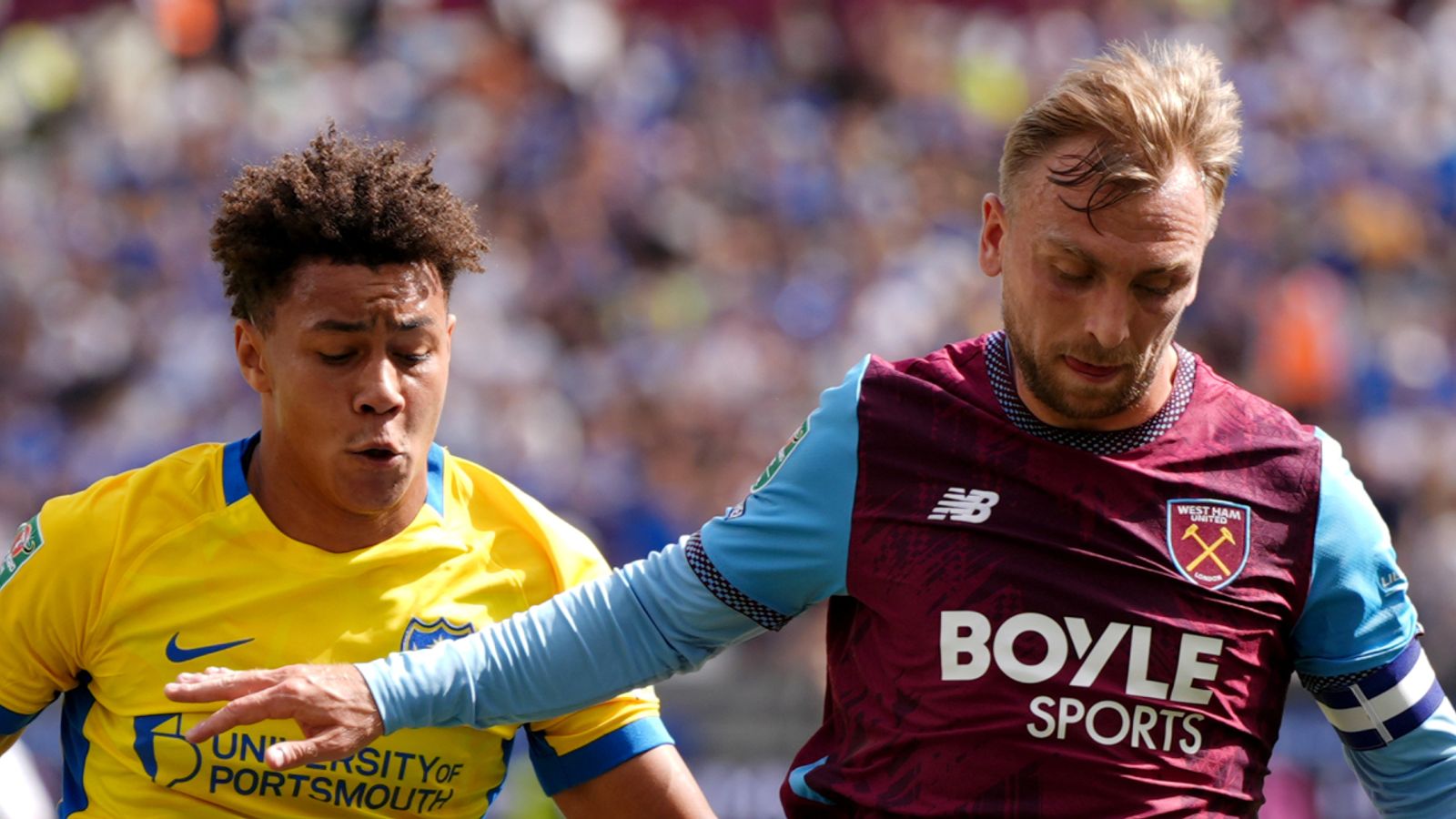
The first round of the Carabao Cup has yielded more than just bracket progression. Medical teams across the board are evaluating impact injuries following a frantic opening schedule. Jarrod Bowen, who found the back of the net for West Ham, remains under observation after a collision late in the second half. While the goal secured a crucial lead against Burnley, the heavy challenge he sustained has trainers cautious about his availability for the upcoming league opener.
Burnley’s backline endured significant pressure throughout the match, resulting in two distinct lower-limb injuries that sidelined players before the 70th minute. Sources close to the squad report concerns over soft tissue damage, which historically plagues clubs operating on short turnarounds. Management is weighing the risk of rotation versus the need for consistency in these high-intensity settings.
Strategic risks of the cup
The Carabao Cup often serves as a barometer for depth, yet it remains a primary source of avoidable fitness setbacks. When a club prioritizes results over load management in August, the internal cost is often felt in October. The current medical consensus suggests that players failing to meet pre-season volume targets are 40 percent more likely to sustain strains during these early-stage fixtures.
West Ham’s medical staff is navigating the delicate balance of pushing for trophy progression while protecting their primary offensive outlet. Bowen’s performance was undeniably clinical, but the post-match limp observed in the tunnel area serves as a sobering reminder of the risk-reward ratio in early domestic cup ties. It is a recurring pattern in English football where the physical intensity often outpaces the match fitness of the participants.
Historical precedents for early-season absences
We have seen this cycle before. In 2023, several high-profile forwards missed significant chunks of the September calendar after picking up knocks in the Carabao Cup opener. The lack of match sharpness leads to compromised form when players attempt to protect their bodies mid-sprint. It is an indictment of the scheduling that these matches occur during the most critical phase of physical conditioning.
Competitors monitoring the West Ham situation will note the tactical adjustments made in the final 15 minutes of play. The substitution patterns suggest a coaching staff already planning for a world where their top scorer might need a protective leave of absence. Failure to secure depth in these areas has haunted clubs for decades, and the 2026 season shows no signs of changing that trend.
Assessing the medical reality
The medical reports from the Burnley fixture emphasize a focus on recovery protocols rather than surgery. Trainers are utilizing cryotherapy and compression to minimize inflammation in the ankle and hamstring areas. According to data tracked across the league, the average recovery time for these specific minor knocks hovers between 7 to 10 days.
Critics point to the lack of adequate preparation time as the primary driver for these injuries. By throwing squad players into competitive environments without enough minutes in friendlies, clubs effectively roll the dice on player longevity. The result is a series of preventable absences that undermine the start of the primary campaign. This is a recurring issue that boardrooms seem content to ignore in favor of chasing secondary silverware.
The immediate outlook for the affected players depends entirely on the next 48 hours of swelling management. Should the inflammation fail to recede by Sunday, expect a formal announcement confirming a multi-match absence. It is a situation that requires discipline from both the coaching staff and the individual athletes to ensure a long-term setback is avoided.

.jpg)

