The risk assessment on Bukayo Saka
England’s medical staff is managing a delicate situation involving Bukayo Saka. The winger is currently dealing with a fitness concern that has sparked intense debate regarding his availability for the upcoming match against Ghana.
Jamie Carragher noted in his recent analysis for Sky Sports that while Declan Rice remains an untouchable pivot for Thomas Tuchel, Saka represents a different tactical dilemma. Rushing a player with lingering muscle fatigue into a high-intensity tournament fixture is a gamble that rarely yields long-term dividends.
Tactical implications of current fatigue
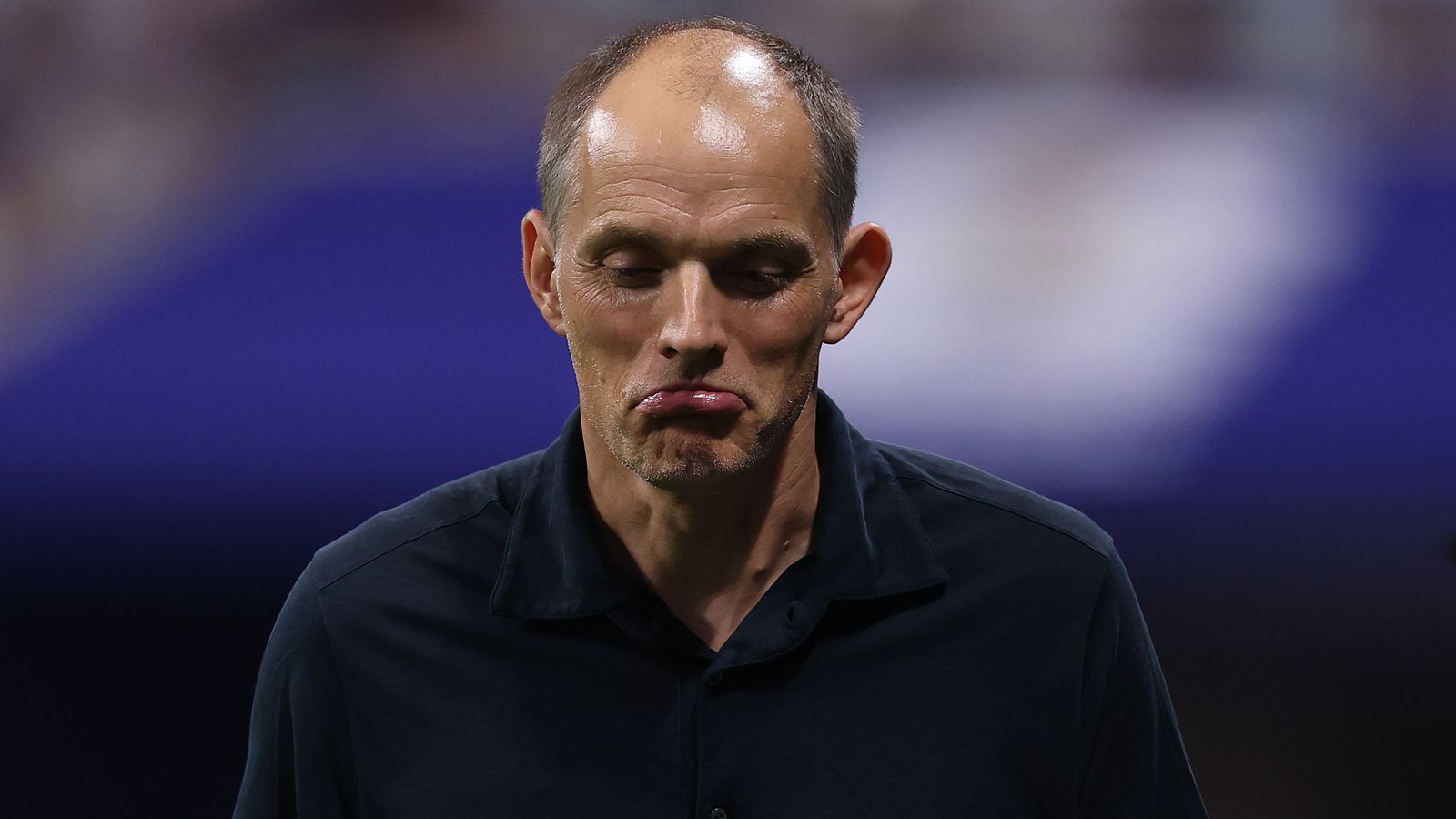
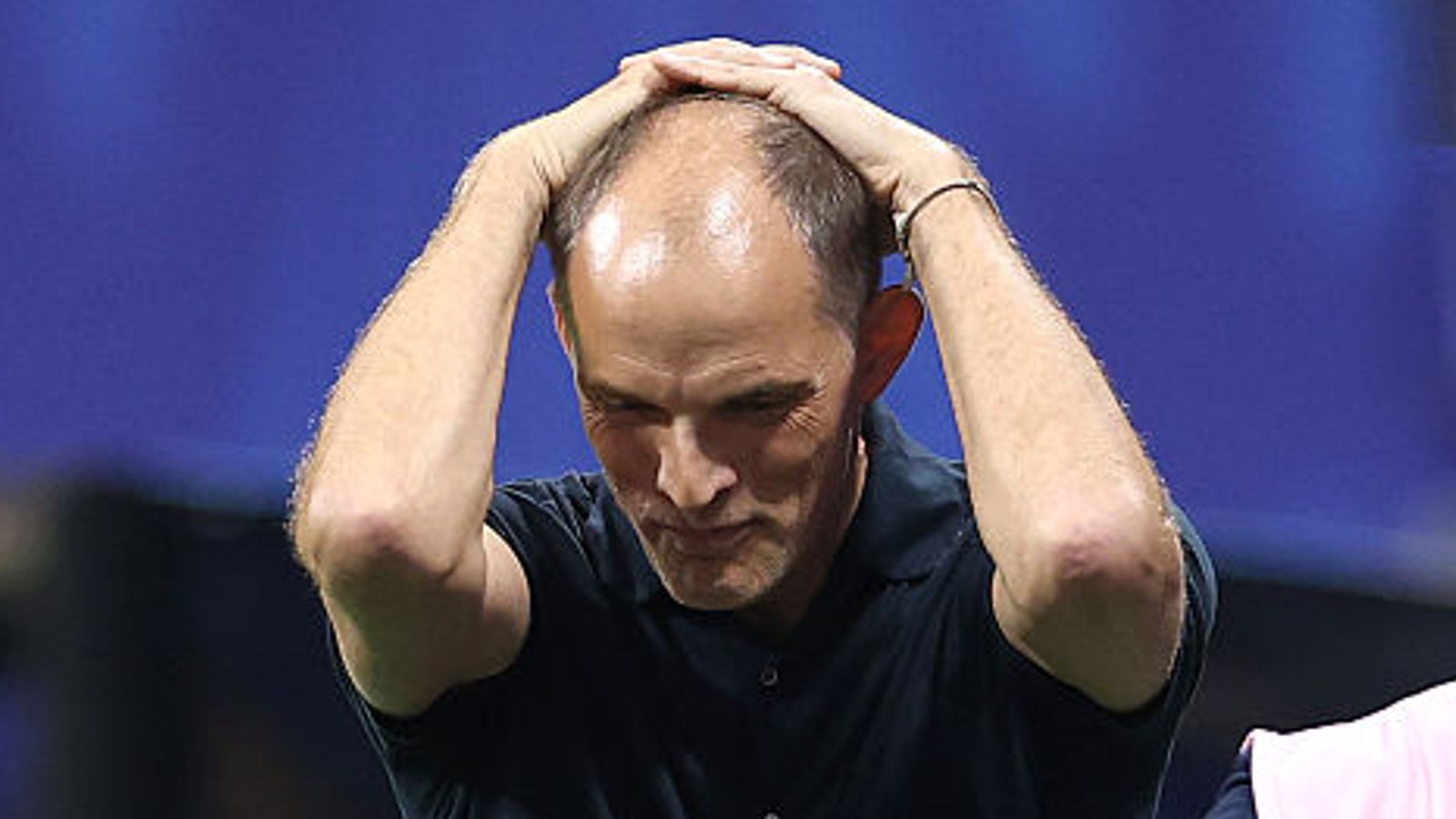
Tuchel faces a condensed timeline. With the squad pushing deep into the tournament bracket, the urge to deploy first-choice starters is countered by the reality of soft tissue injuries that derail campaigns. Historically, England sides have struggled when forced to rotate key attacking outlets under pressure.
Saka is a primary creator in the final third. His absence forces a shift in how England approaches the Ghana defensive line. Without his ability to isolate full-backs in 1v1 situations, the team becomes predictable, often funneling play through the center where traffic is densest.
The Rice situation and midfield stability
While Saka continues to undergo individual recovery work off the main training pitch, Declan Rice is expected to start. Carragher argues that the defensive stability Rice provides is too valuable to sacrifice, even if his hydration levels and workload are being monitored daily.
The current injury management profile suggests a 0 percent likelihood of Saka featuring for the full 90 minutes. If he is named in the starting XI, it will likely be a conditioned appearance capped at the 60th minute mark. Any overextension risks a Grade 1 hamstring strain that would effectively end his tournament participation before the quarter-finals.
Assessing the bench strength
The coaching staff must decide if their depth can absorb a conservative approach to this match. Relying on squad players to bridge the gap against a physical side like Ghana is a defensive bottleneck for a squad that prides itself on attacking fluidity.
This is where the planning of the current regime faces a stern examination. By failing to integrate secondary options earlier in the group stages, Tuchel has left himself with a rigid starting core. The inability to rotate means that every minor knock risks turning into a two-match absence.
The history of high-stakes attrition
International tournaments are notoriously unforgiving to teams that fail to manage player load. England’s reliance on a select group of starters frequently leads to the exhaustion witnessed in late-stage knockout games. Physical degradation is often the quiet killer of title hopes.
If the medical staff clears Saka, they are betting that the risk of a relapse is lower than the risk of an offensive collapse. However, modern sports science suggests that early-tournament heavy loads increase the injury percentage rate by 30 percent as oxygen consumption drops in the final phases of a competition.
The lack of a clear succession plan for specific high-usage players remains a flaw in the current strategy. If Saka cannot start, the lack of a like-for-like replacement with his specific dribbling profile is a failure of foresight in squad selection. Relying on system-fits rather than skill-fit players forces the entire team to adjust its tactical setup rather than simply swapping a man.
Strategy moving forward
The match against Ghana is not a dead rubber. It is a stress test for the squad's ability to maintain high defensive standards while nursing frontline assets. If Tuchel elects to play a cautious game, he signals a shift in philosophy toward tournament survival rather than dominance.
Successful campaigns are rarely won on the back of eleven players. They are won by the bench, the recovery protocols, and the willingness to bench a star to ensure tournament longevity. If Saka sits out, it is not a sign of weakness, but an acknowledgment of reality.
Read Next
- England's tactical identity crisis against Ghana
- Thomas Tuchel is demanding perfection from England's World Cup squad
- Bukayo Saka injury concerns loom over England's World Cup campaign
- Tuchel's strict England camp sparks early exits and dressing room friction
- 🏴 England World Cup 2026 — Three Lions Hub