The Big Picture
West Ham United have secured a massive financial lifeline during the darkest week in the club's modern history. Principal sponsor BoyleSports confirmed they will stand by the Hammers for the 2026/27 Championship campaign. This decision comes despite the club's recent relegation and the sudden, disgraceful exit of long-time co-owner David Sullivan.
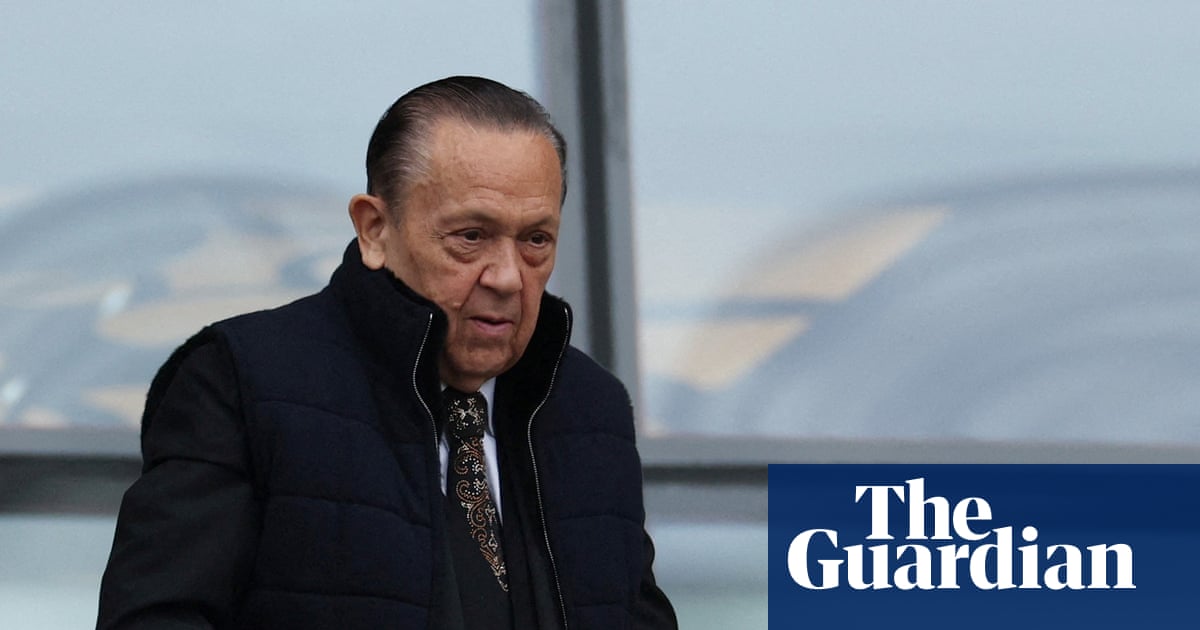
Sullivan resigned from all board positions on the heels of a devastating joint investigation by BBC Panorama and The Times. The reporting detailed multiple allegations of sexual misconduct and predatory behavior dating back to the 1980s and 1990s. Sullivan has denied the claims, but his departure was necessary to prevent the club from sinking further into reputational ruin.
Meanwhile, the contrast between the grim boardroom drama in East London and the glossy spectacle of English sporting royalty was on display at Wimbledon. David Beckham took his seat in the Royal Box on Monday, June 29, 2026, pulling focus from the sport's darker headlines. Beckham remains the ultimate public relations shield, generating easy clicks while his former sport wrestles with institutional rot.
Boardroom Ruin and Commercial Lifelines
A Commercial Lifeline in the Second Tier
Relegation usually triggers financial disaster for modern clubs. Broadcast revenues plummet, commercial deals are renegotiated downward, and star players demand exits. For West Ham, losing their Premier League status threatened to tear their balance sheet apart. But BoyleSports decided to honor their agreement, guaranteeing that their logo will remain on the men's and women's shirts this coming season.
This sponsorship continuation highlights a bizarre loophole in English football's gambling regulations. The Premier League's voluntary ban on front-of-shirt betting sponsors is set to take effect for the 2026/27 season. Because West Ham crashed out of the top flight, they are no longer bound by those rules. The Hammers will wear gambling branding in the Championship, escaping the very regulation designed to clean up the sport.
It is a cynical form of salvation. The club gets to keep a lucrative commercial deal, but they do so by operating outside the top-flight ethics code. Fans will watch their team play in a division that remains heavily reliant on betting revenue. For majority owner Daniel Kretinsky, it is an awkward compromise as he tries to restructure a broken club.
The Disgraceful End of the Sullivan Era
Sullivan’s departure was not a voluntary passing of the torch. It was a forced exit after years of brewing controversy and the threat of regulatory intervention. The BBC Panorama documentary featured testimonies from seven women who worked in Sullivan's media businesses during his time in the adult entertainment industry. They described a pattern of exploitative and predatory behavior that Sullivan has called factually incorrect.
"Factually incorrect and entirely false," Sullivan stated in a press release following the broadcast, threatening legal action for libel.
But the damage was already done. The Independent Football Regulator contacted West Ham immediately after the broadcast to question Sullivan's suitability under the owners' and directors' test. Kretinsky, who now holds a 43% stake in the club, had to move quickly to isolate the board from Sullivan's personal legal battles. The club could not afford to have a major shareholder under active regulatory investigation while preparing for life in the Championship.
The most damning revelation is that the FA had already placed contact restrictions on Sullivan regarding the youth and women's teams back in 2023. For three years, West Ham's board harbored a co-owner who was deemed a safeguarding risk by the game's governing body. The silence from the hierarchy during that period is a stain that Kretinsky's new administration will struggle to wash away.
Now, Kretinsky faces the task of rebuilding a club that has lost its Premier League status and its moral compass. The Czech billionaire is expected to increase his control, but he inherits a squad that needs massive investment and a fan base that is deeply disillusioned. Relegation was a sporting failure, but the boardroom revelations have exposed a much deeper cultural rot.
The Centre Court Shield
Beckham Plays the Royal Box Crowd
While West Ham fans were digesting the news of relegation and Sullivan's departure, English football's favorite ambassador was busy doing PR work on Centre Court. David Beckham joined the opening day crowd at Wimbledon, sitting alongside his mother, Sandra. Beckham is a master of the Wimbledon appearance, turning the Royal Box into a personal runway every summer.
As Mirror Football reported, Beckham's presence on Monday became the main attraction for photographers. While other dignitaries sneaked away to the hospitality suites during the intervals, Beckham remained in his seat. The former Manchester United star showed the kind of dedication to the event that other celebrities rarely match, ensuring the cameras always had their target.
The highlight of the afternoon came during Jannik Sinner’s victory over Miomir Kecmanovic. The Centre Court crowd began a Mexican wave, a tradition that usually dies when it reaches the stuffy confines of the Royal Box. BBC commentator Andrew Castle noticed the wave building and warned viewers that the VIPs might ruin the fun.
"We can't have that. Keep an eye on them," BBC commentator Andrew Castle joked as the wave approached the Royal Box.
To the surprise of the television audience, Beckham did not play the aloof aristocrat. The former England captain stood up and joined the wave with his arms raised, prompting a quick correction from Castle on the broadcast. It was a classic Beckham moment: humanizing, perfectly timed, and instantly viral.
But the focus on Beckham's easy charm feels like a distraction from the cold reality of English sport. While commentators fawn over a retired star doing a wave, clubs are collapsing under the weight of financial mismanagement and ownership scandals. Beckham’s Wimbledon routine is a comfortable illusion, a reminder of a simpler time that no longer exists.
The Realities of the Football Reset
The contrast between the two Davids—Beckham and Sullivan—tells the story of modern English football. One is the polished brand ambassador, always ready to smile for the cameras and keep the media happy. The other is the relic of a bygone era, whose exit from the game was as messy as it was overdue. Both represent different facets of a sport that has grown too big and too compromised for its own good.
West Ham must now prepare for a tough season in the Championship, starting in August. They will do so with BoyleSports on their chests and Daniel Kretinsky at the wheel. The immediate financial crisis has been averted, but the rebuilding process has barely begun. The Hammers have a long way to climb before they can reclaim their place in the elite.
As details of Beckham’s reactions on the opening day dominated social media, West Ham’s lawyers were busy drafting responses to the regulator. The division between the sport’s fantasy and its reality has never been wider. Whether Kretinsky can bridge that gap and build a clean, sustainable club is the biggest question facing East London this summer.