
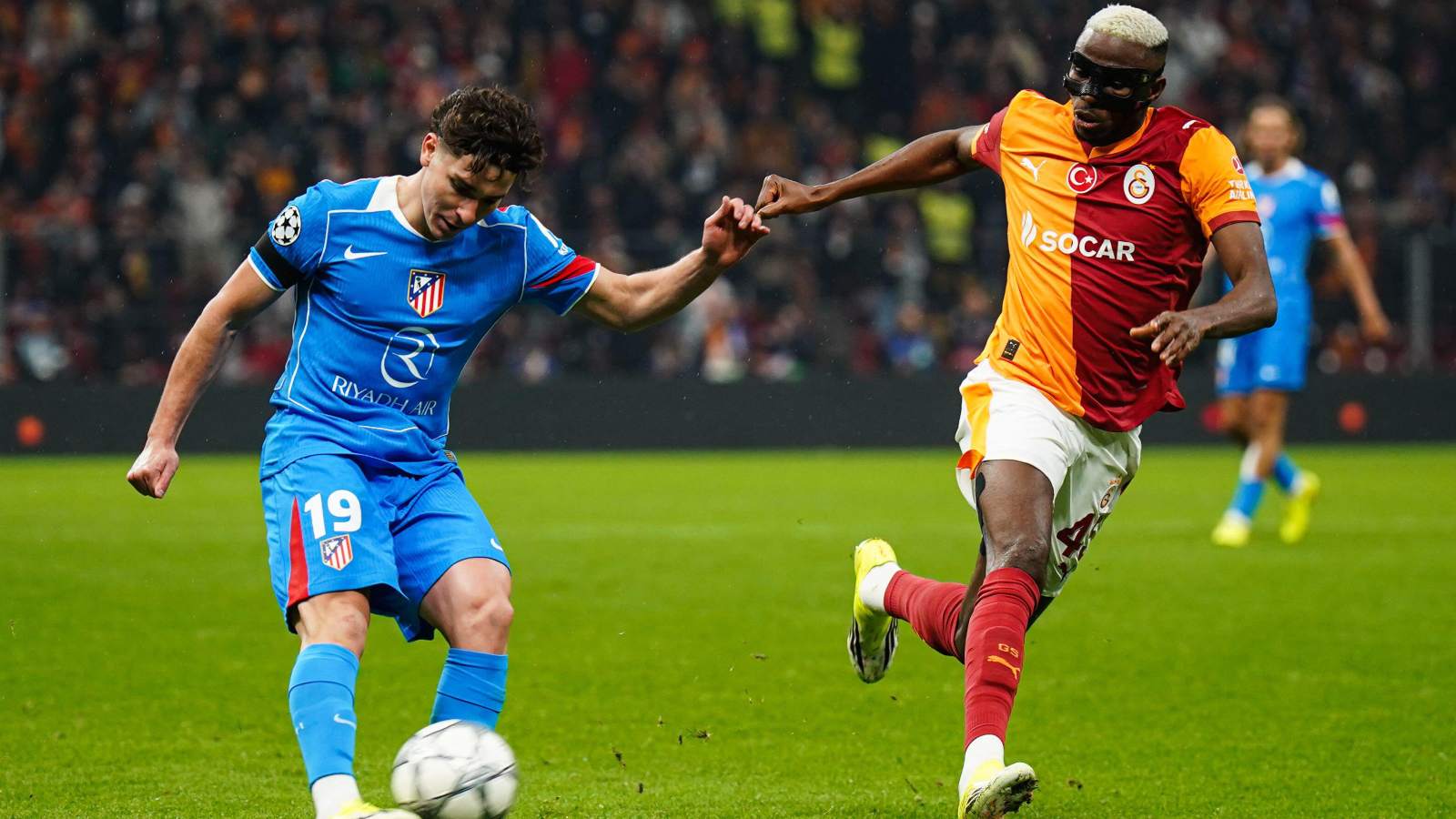
The Arsenal dilemma and the frontline search
Arsenal are entering the mid-July stretch with a defined tactical requirement: a clinical striker to elevate their championship credentials. Reports regarding their interest in Julian Alvarez, currently listed as a top target per Football365, suggest a willingness to spend big. However, the club’s medical department is currently navigating a delicate period of internal assessments.
While recruitment staff focus on names like Junior Kroupi and Victor Osimhen, the fitness reality of existing personnel dictates the pace of these moves. An unbalanced squad currently forces Mikel Arteta to rely on players managed under strict load protocols. If the current injury profile does not shift by the opening matchday, the need for a high-intensity striker becomes an absolute necessity rather than a luxury.
Tactical friction and the England fallout
The wider footballing environment is currently grappling with the aftermath of the 2026 World Cup semi-final exit. Thomas Tuchel is facing an intense FA inquest following England’s defeat to Argentina, as noted by The Mirror. This isn't just about the disappointment of the loss; it is about the long-term viability of the current tactical approach.
We now know from archival reporting by The Daily Mail that Pep Guardiola nearly altered this path in 2024. The failure to secure a high-ceiling manager has left the Three Lions in a state of purgatory. For clubs like Arsenal, this national team malaise adds another layer of complication when monitoring players returning from high-stress international tournaments.
Historical context and the risk of recurring issues
Modern management teams often treat July as a danger zone for players reporting back from summer duty. Heavy minutes in tournament fixtures correlate directly with muscular injuries in the first six weeks of the season. Teams that fail to monitor these loads often see spikes in hamstring and calf issues. It is a predictable cycle that consistently undermines professional planning.
The current challenge for Arsenal is twofold. They must balance the ambition of acquiring world-class talent like Alvarez against the physical preservation of those already on the books. History in the Premier League shows that mid-July signing sprees often lead to fatigue-based injuries if the player in question has not had adequate rest time. A lack of proper recovery time for international stars is perhaps the biggest flaw in the modern football schedule.
Strategic implications of the transfer chase
Acquiring a striker is the primary objective, yet the market is thinning rapidly. Kroupi represents a youthful, high-ceiling option, while Osimhen offers proven production in elite divisions. The cost factor here is massive, with potential fees likely exceeding £85m for any top-tier candidate. The risk isn't just the money; it is the medical clearance of a player who has logged significant miles over the last three seasons.
The club would be wise to scrutinize medical records as closely as transfer fees. Chasing names without evaluating their recent injury history is a common pitfall that haunts recruitment departments. If Arsenal signs an injury-prone asset, the investment is essentially dead money before the season starts. Smart operations focus on reliability as much as technical ability.
Critical observations on current form
There is a distinct lack of long-term vision in the way major clubs handle post-tournament recovery. Arsenal’s scouts are operating in a vacuum where market availability takes precedence over physical resilience. Relying on players who have played deep into summer tournaments is asking for a mid-autumn collapse. The planning for post-tournament fatigue is frequently nonexistent.
Furthermore, the reliance on external targets while internal utility players remain fragile is a questionable strategy. Instead of chasing a £100m solution, one must wonder if a more disciplined rotation during the winter months could achieve similar results. The current approach feels reactive rather than institutional. The goal is improvement, but the execution remains tied to the whims of a volatile transfer market.
The coming weeks will reveal if the board is willing to gamble on fitness levels. As we settle into the true start of the transfer window, keep an eye on how these targets manage their return to club duties. A successful summer is dictated by the players who can survive the opening 10 matches without needing a substitute. Anything less is a failure of evaluation.
Read Next
- Arsenal are playing Russian roulette with their attacking depth
- Arsenal chasing Alvarez is a masterclass in chaotic transfer business
- Arsenal chasing Morgan Rogers makes perfect statistical sense
- Arsenal secure Christos Tzolis to replace Trossard in £34m swoop
- 🇦🇷 Argentina World Cup 2026 — Defending Champions Hub
- ⭐ UCL 2026 — Champions League Quarter-Finals Hub



