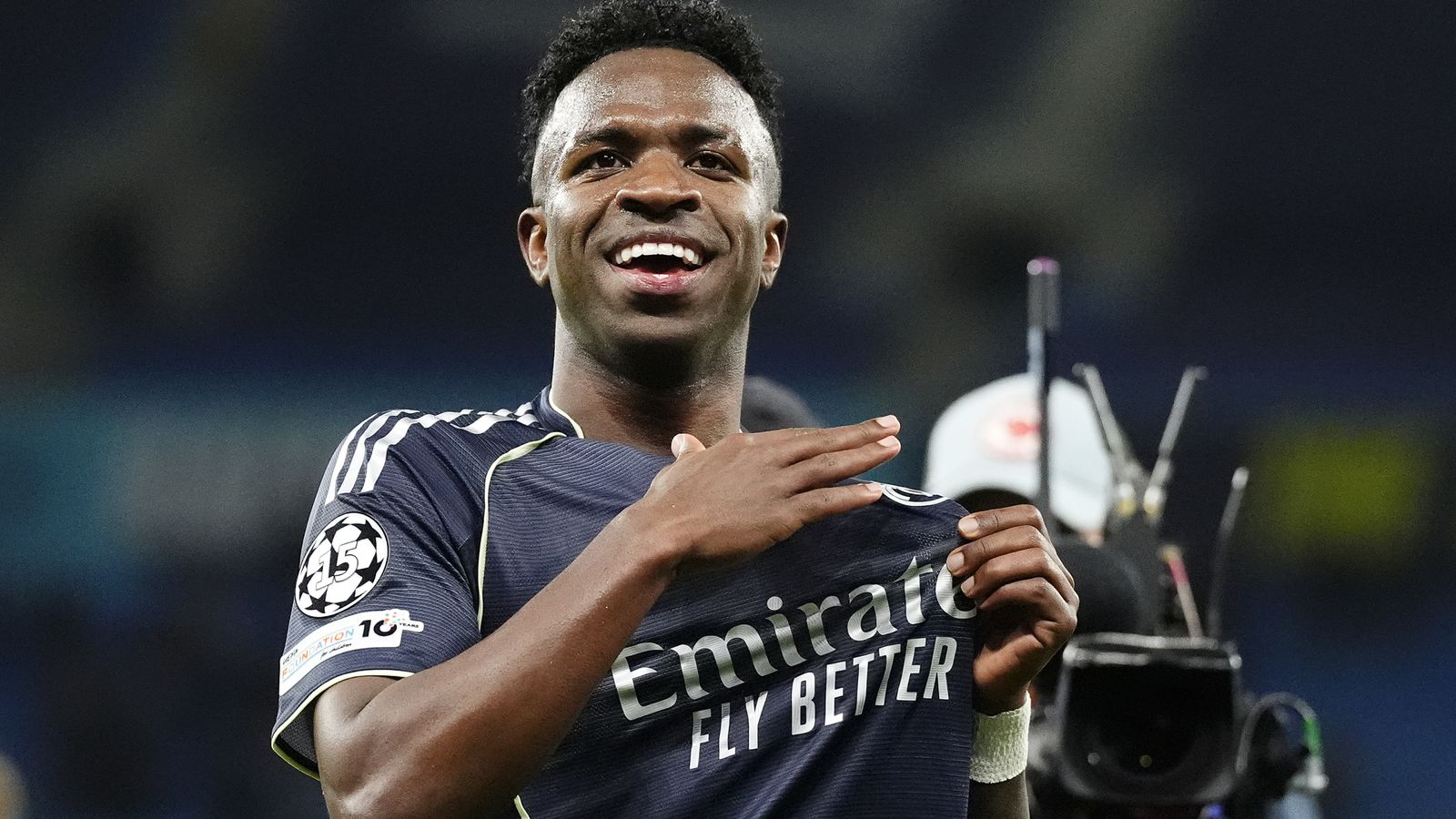
The pursuit ends: Arsenal turn eyes elsewhere
Arsenal's summer recruitment strategy hit a wall Tuesday as Vinicius Junior committed his long-term future to Real Madrid. The winger signed a contract extension, effectively ending months of speculation regarding a potential Premier League move to north London. The Gunners had identified the Brazilian as their primary target to bolster a frontline that struggled for consistent output during the 2025/26 campaign.
The financial scale of the deal was significant, as Sky Sports reported, locking the forward into a massive salary structure that Arsenal could not match without upsetting their current wage hierarchy. For Mikel Arteta, the priority shifts immediately toward secondary targets. The club now faces a race against time before the August 31 transfer deadline.
Tactical ripple effects
Losing out on a marquee signing forces Arsenal to rethink their offensive tactical profile. The club lacked a secondary creator to operate alongside Bukayo Saka when opponents collapsed their defensive shape inside the box. Without a world-class arrival, the onus falls on internal development to bridge the gap between their current roster and a title-winning side.
Management has been criticized for failing to secure a contingency plan earlier in the window. By focusing heavily on one high-profile target, the club left itself vulnerable to negotiations that were always contingent on the player's preference. This lack of agility in the market is a recurring theme that has drawn skepticism from the supporter base.
Historical context and market realities
Arsenal historically struggles when high-stakes negotiations drag into the final month of the summer window. Similar misses in recent years have forced the club to overpay for panic options in the final days of the window. Relying on late-cycle signings rarely provides the required bedding-in period for a team with title aspirations.
The current state of the squad requires immediate reinforcement in the final third. With the league season approaching, the margin for error is shrinking. If the recruitment team fails to pivot effectively, they face the prospect of beginning the campaign with a personnel deficit that could cost them points in the opening quarter of the schedule.
Strategic implications for the Premier League
Real Madrid successfully maintaining their core illustrates the widening gap between the top tier of European giants and the rest of the field. Arsenal remain in a position where they must strike perfectly to compete, whereas their rivals are increasingly protected by superior financial retention. This dynamic creates a difficult environment for sporting directors tasked with narrowing the quality delta.
Internal sources suggest the club is monitoring three alternative wingers across Europe, though none possess the ceiling of the departed target. The scouting department has been under increased pressure to justify their expenditure after several high-cost arrivals failed to meet expectations last year. A failure to land a top-tier winger will inevitably result in a heavy reliance on rotation players during high-intensity stretches.
What comes next
Arteta is expected to address the media within the week regarding the team's depth. The coaching staff faces the reality of coaching the players they have rather than the players they targeted. Tactical adjustments will likely involve shifting the formation to compensate for a lack of pace on the transition, a move that could limit the team's attacking variance.
Fan frustration is mounting as other clubs complete their business early. While the club remains active, the perception of missed opportunity is becoming the defining narrative of their offseason. Every additional day without a marquee acquisition compounds the pressure on the board to deliver a result that satisfies the demands of the fanbase.
Read Next
- Arsenal's 75 million gamble: Why Guimaraes is the final piece of the puzzle
- Arsenal eye transfer window push as Arteta addresses Vinicius Jr chatter
- Liverpool are trying to steal Arsenal's targets and PSG must be panicking
- Ceadach O'Neill is Arsenal's secret weapon, but Mikel Arteta must slow down
- 🇧🇷 Brazil World Cup 2026 — A Seleção Hub
- ⭐ UCL 2026 — Champions League Quarter-Finals Hub