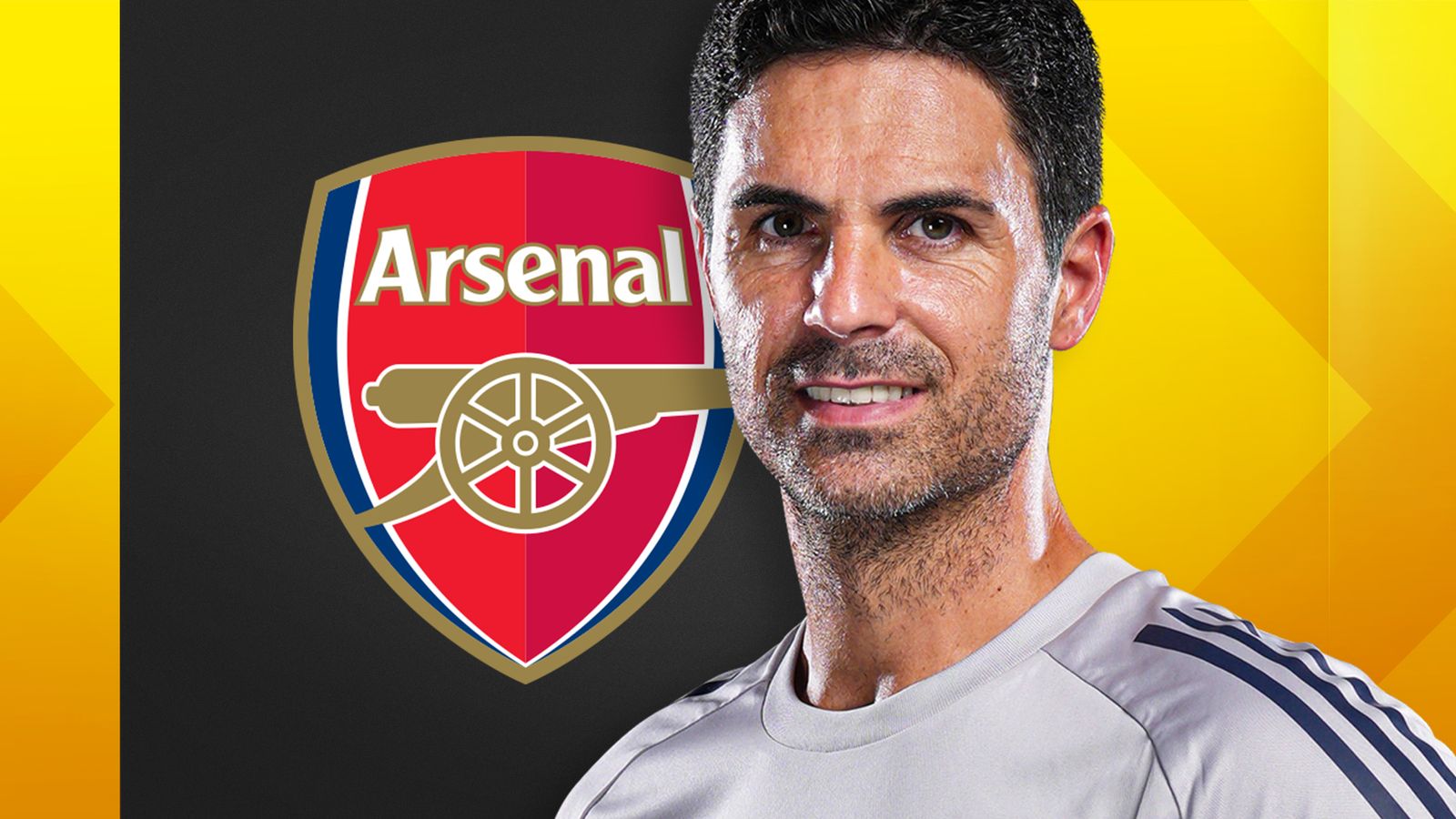
The 71% structural turn in Mikel Arteta's tactical blueprint
Mikel Arteta has spent three seasons constructing a machine built on controlled territorial dominance, but Arsenal's opening moves in the summer 2026 transfer market point toward a drastic structural evolution. Selling Christian Norgaard to Everton for a £7m fee—taking a £3m loss just 12 months after signing him from Brentford—is not an isolated misstep in asset management. It is a calculated removal of single-tempo midfield padding in favor of vertical dynamism.
Norgaard logged 20 appearances across all competitions in Arsenal's title-winning campaign, yet only 7 of those came in the Premier League. His departure, combined with the club's aggressive push for Newcastle captain Bruno Guimaraes, shifts Arsenal's tactical baseline. The Gunners are replacing a lateral safety net with a primary progressor who ranked in the upper percentiles for progressive passes and recoveries in the top flight last season.
Arsenal's reported interest in Real Madrid star Vinicius Junior—who has returned to Spain with 1 year remaining on his contract—further signals Arteta's intent to shatter the traditional high-possession template. Arteta is no longer satisfied with suffocating opposition blocks; he is designing a squad capable of devastating teams in transition before the defensive shell can form.
Tactical lessons from Catalonia: 60 minutes of high-tempo fluidity
Arsenal's 4-1 pre-season victory over Girona offered a direct blueprint of how this overhauled system operates in practice. Playing without 5 of the 7 attackers who featured in their Champions League final defeat to PSG, Arteta deployed summer signing Christos Tzolis on the left flank. In a frantic 60-minute debut cameo, Tzolis linked up seamlessly with Riccardo Calafiori, capping his performance with a well-taken goal that showcased his off-ball movement.
The real story in Catalonia, however, was the spacing engineered by Arsenal's academy products. Max Dowman recorded 1 goal and 1 assist while operating as an inverted playmaker, effectively giving Arsenal a secondary central creator alongside Kai Havertz. Behind them, Myles Lewis-Skelly demonstrated how much his game has expanded since his crucial role in last season's title run-in, breaking lines with first-time forward passes rather than cycling possession sideways.
Lewis-Skelly's vision directly set up Dowman for Arsenal's third goal, highlighting a shift in how Arteta expects his deep pivot to operate. Rather than relying on simple recycling, Arsenal's interior defenders and midfielders are now tasked with executing high-risk, high-reward passes into the half-spaces at the very moment possession is regained.
The Guimaraes dynamic and the £3m midfield recalibration
Arsenal's pursuit of Bruno Guimaraes represents the missing link in Arteta's defensive transformation. Newcastle are braced for a formal approach after weeks of intermediary talks, and the Brazilian midfielder has already communicated his desire to join the Premier League champions if a deal can be reached. With Eddie Howe resigning from his post at St James' Park, Guimaraes' position at Newcastle has grown increasingly unstable.
Statistically, Guimaraes offers a profile that neither Norgaard nor Arsenal's existing rotational options could provide. His ability to draw pressure under heavy pressing and break out with direct carries allows Arsenal to transition instantly from defensive structure to wide attack. Placing Guimaraes alongside Martin Odegaard and Eberechi Eze—both resting after extended post-World Cup breaks—would give Arsenal an unbalanceable central triangle.
Thanks for making me a better player and person! Wish you all the very best in your future, gaffer.
Guimaraes' farewell message to Howe on Instagram underscores the emotional turning point at Newcastle, but for Arsenal, the move is purely transactional. By moving on from Norgaard's £10m initial purchase price and absorbing a £3m drop, Arsenal have freed up both squad space and wage flexibility to pursue elite-level dominance.
Why Arteta's aggressive stance leaves no room for sentiment
Arsenal are not standing still as the reigning champions. Arteta's explicit confirmation that the club are "very ambitious" and "really active" in the transfer market underlines a squad build designed to prevent the complacency that often afflicts title defenders. Bringing in goalkeeper Illan Meslier alongside Tzolis addresses squad depth, but the target profile remains focused on high-intensity athletes who thrive in dynamic chaos.
While Real Madrid remain confident that new manager Jose Mourinho can convince Vinicius Jr to extend his stay in Spain, Arsenal's persistence in monitoring the situation proves their willingness to compete at the very top of the global transfer hierarchy. Even if the Brazilian winger stays in Madrid, the intent alone demonstrates that Arsenal's tactical ceiling is being pulled upwards.
The numbers from the Girona friendly and the swift resolution of Norgaard's transfer tell a consistent story. Arteta is actively dismantling the safety mechanisms of his previous system to build a lethal, multi-phased attacking force. Arsenal won the Premier League with control; they are setting up to defend it with speed, verticality, and complete positional authority.
Read Next
- Top 10: Arsenal's Summer Storylines as Bruno Guimaraes Blockbuster Headlines Pre-Season
- Ipswich Town are betting big on Burnley's Florentino to solve their midfield void
- Why Xabi Alonso's high-risk Chelsea revolution will hit a wall at Stamford Bridge
- Dominating possession means nothing if Liverpool keep conceding from set-pieces
- ⭐ UCL 2026 — Champions League Quarter-Finals Hub