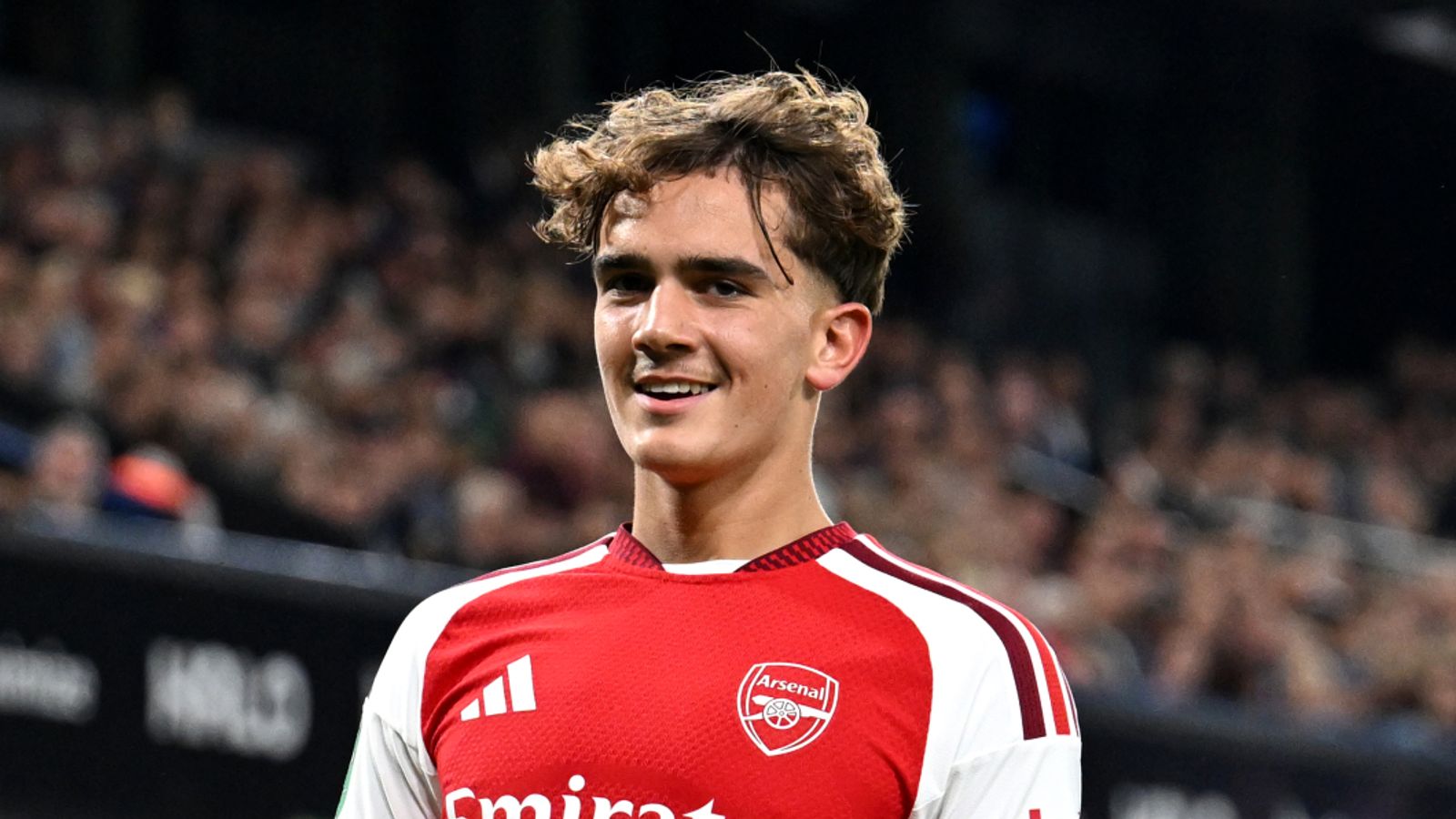
Tactical disruptions in the wake of Girona
Arsenal secured a 4-0 victory over Girona in their latest preseason outing, but the result came at a cost. While the attacking output from Max Dowman and Christos Tzolis provided clear positives for Mikel Arteta, the medical room is already filling up. The high-intensity press favored by the manager requires total fitness, and early signs suggest a few key players are struggling to maintain the required workload.
As reported by Sky Sports, the squad is currently operating under a modified training schedule. Monitoring workloads during these summer friendlies is standard, but the volume of soft tissue complaints is noticeably higher than in previous seasons. Staff are treating these issues with extreme caution, prioritizing league availability over preseason minutes.
The medical reality of high-intensity systems
Arteta has built a reputation on high-energy, high-pressing football. This style puts immense strain on players' hamstrings and calves, particularly during the transition from off-season conditioning to competitive match speed. We have seen this before with top-four clubs; when players are pushed too hard in July, they invariably pay the price in late October.
Historical data indicates that Arsenal historically faces a drop-off in performance when the schedule turns congested if preseason foundations are shaky. The current injury management protocol suggests the club recognizes this risk. They are playing a dangerous game, trying to balance tactical integration with physical preservation.
Strategic implications for the upcoming campaign
The reliance on youth players like Dowman has mitigated the lack of availability for veterans, but it remains an inefficient solution. If the senior squad members continue to rotate in and out of the treatment room, tactical consistency suffers. The coaching staff is clearly experimenting with rotation, yet the number of players missing training sessions indicates a failure to properly calibrate the load.
Competition is not waiting for Arsenal to get healthy. Other title contenders are rotating their squads more effectively, relying on deeper rosters to avoid the same pitfalls. If Arsenal continues to lose players to minor muscle strains before the opening weekend, the title challenge will lose its steam before it even gains momentum.
Analyzing the workload management failure
The primary concern is not the severity of any single injury but the frequency. One or two players sitting out is a common preseason reality. When the count hits double digits across the full training camp, it points to a systemic failure in the preseason training regimen.
The club has not confirmed the full extent of the injuries, but medical staff are closely tracking the recovery rates for several starters. Players are being kept out of contact drills as a preventative measure. This conservative approach is necessary but frustrating for fans waiting to see a fully fit starting XI before the transfer window closes.
Looking ahead to the season opener
With the opening match now just weeks away, the clock is ticking for the technical staff to adjust the training load. If the intensity does not drop, the risk of long-term damage to key assets increases significantly. Maintaining a winning culture is difficult when half the squad is relegated to the sidelines for light cycling and massage work.
There is little room for error. The club must decide if these minor injuries are worth the tactical edge they are gaining through rigorous training sessions. Relying on the bench was a weakness last season, and it appears to be a looming shadow once again. The expectation is that those sidelined will return to full training shortly, but the margin for error is razor-thin.
The 4-0 win was a statement of intent, but the internal medical reports tell a more complicated story. Arteta needs these players on the pitch, not on the treatment table. A failure to manage this could derail the progress made over the last three seasons.
Read Next
- Arsenal's defensive crisis deepens as injury strikes preseason camp
- Arsenal's pre-season signals Mikel Arteta is doubling down on wide isolation
- Arsenal heading to Girona proves pre-season friendly madness is in full effect
- Arsenal's transfer strategy is shifting toward high-stakes midfield gambles
- ⭐ UCL 2026 — Champions League Quarter-Finals Hub