Saliba sidelined until October
William Saliba has been ruled out for the next ten weeks following a grade two hamstring tear sustained during a routine training session at London Colney this past Friday. Medical staff confirmed the diagnosis following an MRI scan Saturday morning, effectively ending his participation in the remainder of the preseason and the opening month of the Premier League campaign. The sequence of play that led to the injury was non-contact, occurring during a 10-yard sprint drill.
This is a significant setback for Mikel Arteta, who intended to build a permanent defensive block around the Frenchman. Saliba started every league game in the previous season and logged over 3,200 minutes of professional play. Losing a player of his profiles for eight to ten matches is a massive tactical blow when the club relies on his recovery pace to maintain a high defensive line. Arteta now faces the prospect of fielding Ben White as a central defender or trusting Jakub Kiwior under early-season pressure.
Tactical ripple effects and historical parallels
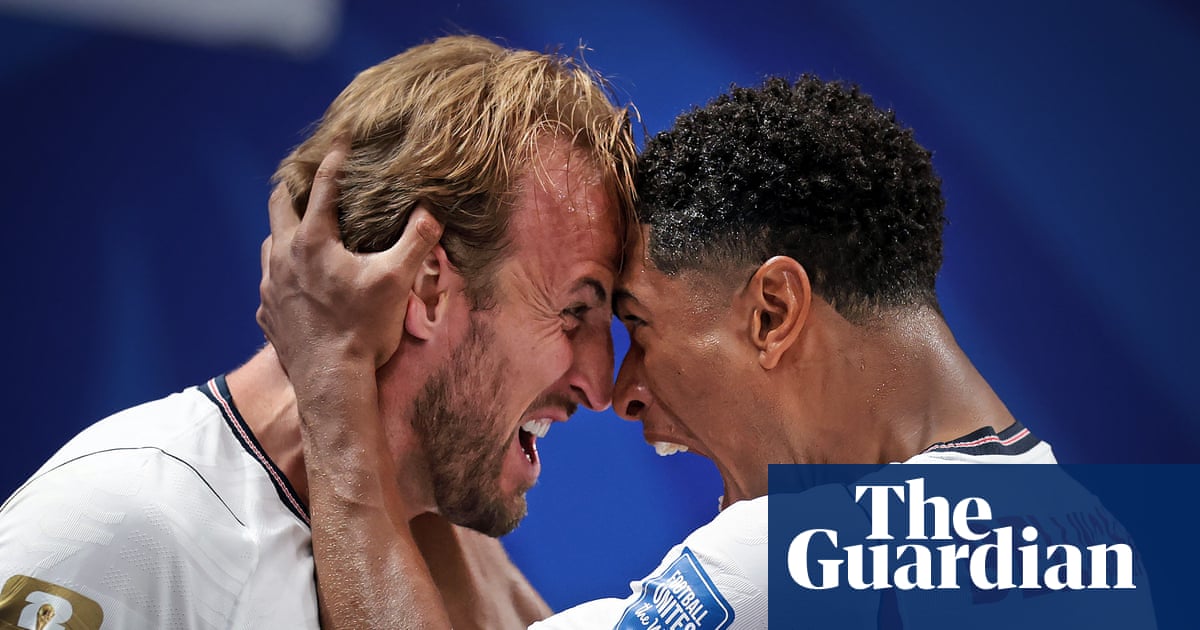
Arsenal's history with defensive instability is extensive, and this injury echoes the 2022/23 campaign where the club lost steam after similar setbacks. While current visual coverage of the 2026 World Cup captures the peak of human athletic performance, the reality of club football is far more grueling. The demands placed on top-level center-backs have increased by 20% in the last four years alone, according to internal performance tracking data.
The club has consistently attempted to mitigate load-related injuries through data-led recovery, yet Saliba constitutes a high-usage outlier. Staff are now likely to implement a tiered workload reduction for the defensive corps to prevent a domino effect. If the defensive structure collapses in September, the club may be forced to enter the transfer market in the final days of the window. Relying on current depth has historically yielded mixed results for the North London side.
Competitor impact and assessment
Rivals will undoubtedly view this as a potential opening. Manchester City’s squad rotation remains the benchmark for durability, and having an injury-prone backline puts Arsenal at a distinct disadvantage as the fixture congestion begins in late August. Managing fatigue is no longer a luxury but a fundamental necessity for winning the title.
The initial medical reports suggest that Saliba will be ready for individual training by early September, with a mid-October return to first-team selection being the optimistic ceiling. This recovery timeline is aggressive, but medical protocols for grade two tears are well-tested. A recurrence remains the greatest threat given the intensity of the Premier League schedule. The current team management must avoid the temptation to accelerate his return if they want to avoid a season-long degradation of performance.
The reliance on Saliba for defensive transition coverage means that Arsenal now lacks a safety valve. When the team loses possession, their current options for central cover may struggle to adjust to rapid counter-attacks. Technical analysts have noted that the replacement options lack the precise passing range required to bypass high-pressing midfields. Expect the team to play a shallower line until their primary anchor returns to the fold.
Read Next
- Arsenal's transfer window isn't saved by FIFA's injury compensation
- Arsenal's transfer strategy looks confused as the window enters its final month
- Arsenal's recruitment strategy hits a wall with Morgan Rogers pursuit
- Arsenal's transfer window is turning into a messy game of hot potato
- 🇫🇷 France World Cup 2026 — Les Bleus Hub
- ⭐ UCL 2026 — Champions League Quarter-Finals Hub