Tier 3: Cautionary history resurfaces around Arsenal's squad management
Transfer windows leave zero room for error, especially when a player signs a long-term deal only to walk out months later. Arsenal know that reality all too well, having navigated contract situations that unravelled far quicker than expected.
According to reports from Mirror Football, past contractual missteps highlight how quickly internal trust can erode if managerial plans fail to align with initial promises made during negotiations. A player securing a five-year contract extension expected to be a cornerstone of the project, yet departing just six months into the deal due to a lack of trust in the manager's vision, remains a glaring reminder of past squad volatility.
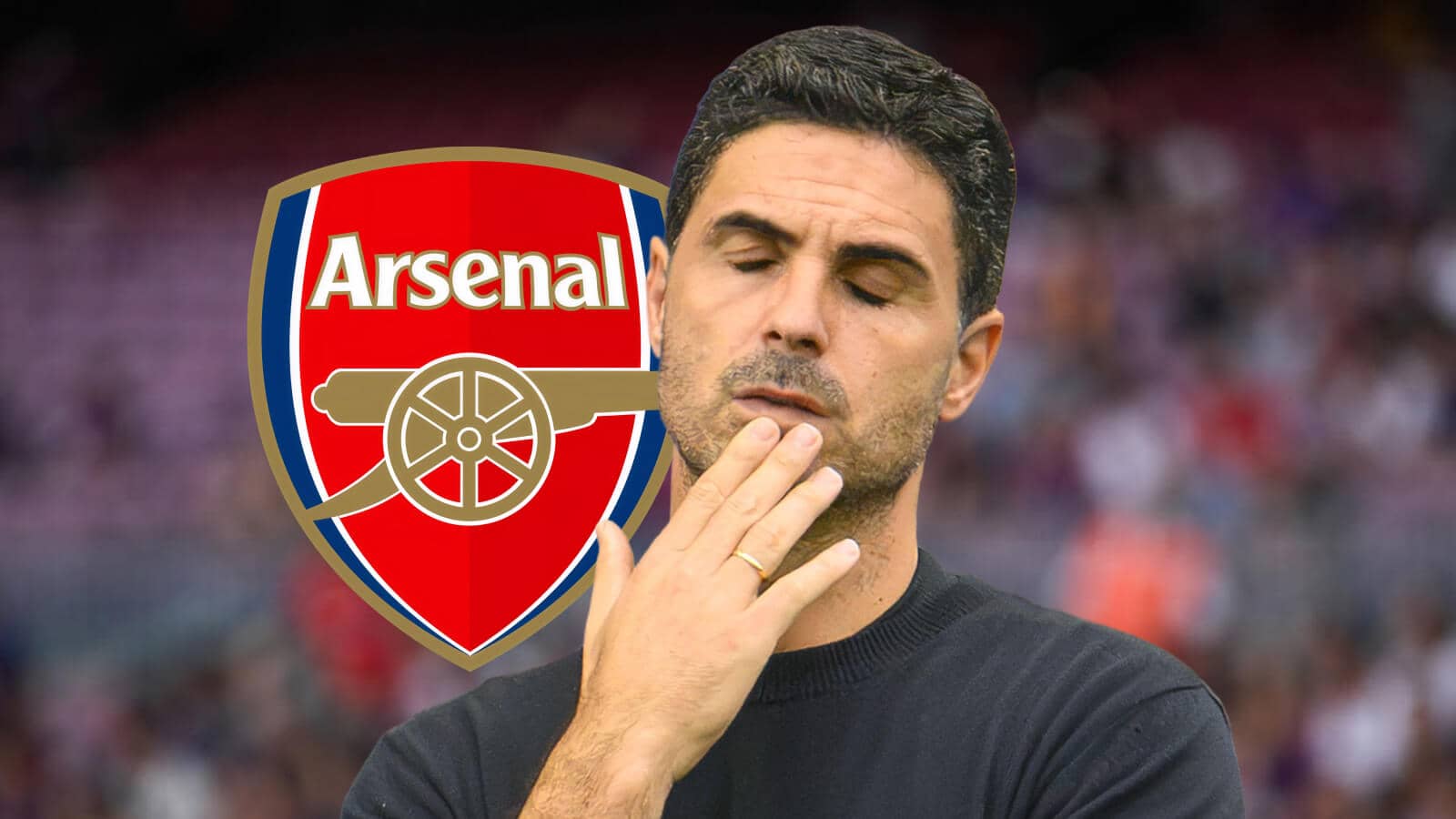
For Mikel Arteta and the current recruitment hierarchy, maintaining strategic alignment is vital. Squad depth cannot be bought at the expense of player trust or long-term vision, as abrupt exits create unnecessary financial friction and roster disruption late in the window.
Player Profile & Tactical Fit
When Arsenal negotiate contract extensions or sign new targets, the tactical profile must fit Arteta's structured 4-3-3 system. Misalignments occur when positional promises made during contract talks clash with on-pitch reality. A versatile player brought in to dictate tempo or provide dynamic wide cover can quickly grow disillusioned if relegated to rotational minutes or out-of-position coverage.
Arteta demands non-negotiable tactical discipline and high-intensity pressing. When a player feels the manager's tactical plan lacks clear direction or breaks promises regarding their role, relationship breakdowns happen fast. That disconnect forces early transfer exits, leaving squad planning in total disarray.
Financial Analysis & Contract Length
Early exits are a financial disaster for any top-flight club. Signing a five-year extension typically ties up massive wage structure capacity and locks in long-term amortised book value. When a player leaves within 6 months of signing, the selling club loses leverage, often forced into cut-price fee structures or loan arrangements with partial wage coverage to offload the asset.
Arsenal's previous squad turnover lessons show that handing out long-term security without guaranteed tactical integration distorts the wage bill. Mitigating these risks requires strict wage structures, performance-contingent clauses, and clear contract exit conditions to avoid taking heavy write-downs in future windows.
Competing Clubs & Transfer Market Dynamics
In modern recruitment, rival clubs monitor internal friction closely. Opportunistic sides across Europe's top leagues jump at the chance to target unsettled players when contract promises fall through. When a player publicly or privately signals a loss of confidence in a manager's project, competing suitors gain significant leverage in negotiations, offering lower opening bids knowing the selling club is desperate to remove the disruption.
Arsenal have had to work hard in recent windows to project stability, ensuring rival suitors cannot exploit internal squad friction to push lowball offers for valuable first-team assets.
Probability Assessment
Evaluating the likelihood of similar sudden squad exits in current windows requires analyzing manager-player alignment and overall squad harmony. The 'here we go' chance of abrupt departures occurring when contracts are fresh remains low under the current setup, but past precedents serve as a persistent warning sign.
- Source Credibility Tier: Tier 3 (Mirror Football reporting historical contract friction)
- Probability Rating: Low to Medium (depending on individual playing time promises)
- Current Market Stance: Cautionary management required to protect long-term assets
Expected Timeline & Squad Impact
As deadline day approaches, squad management decisions come under intense scrutiny. The expected timeline for finalizing contract renewals or resolving unsettled player situations typically tightens in the final weeks of August. Teams must balance squad depth against player satisfaction before the market closes.
If Arsenal manage contract alignment effectively, the impact is immediate: financial stability, squad harmony, and a unified dressing room fully committed to Arteta's tactical blueprint. However, failing to learn from past contractual breakdowns risks repeating history—leaving the squad shorthanded and forced into reactive late-window moves.
Read Next