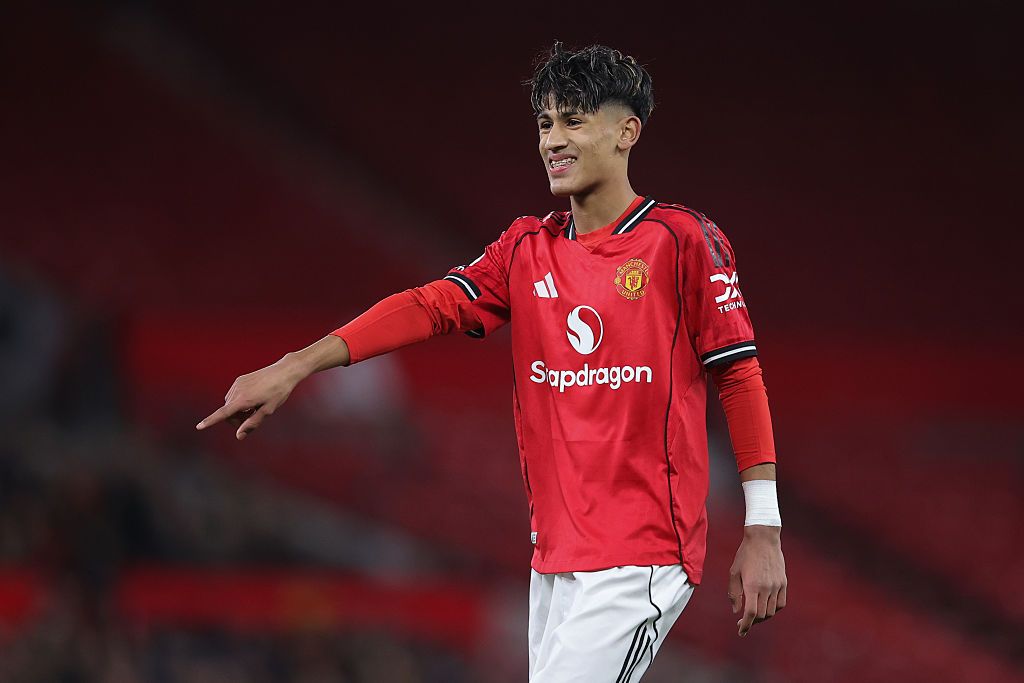
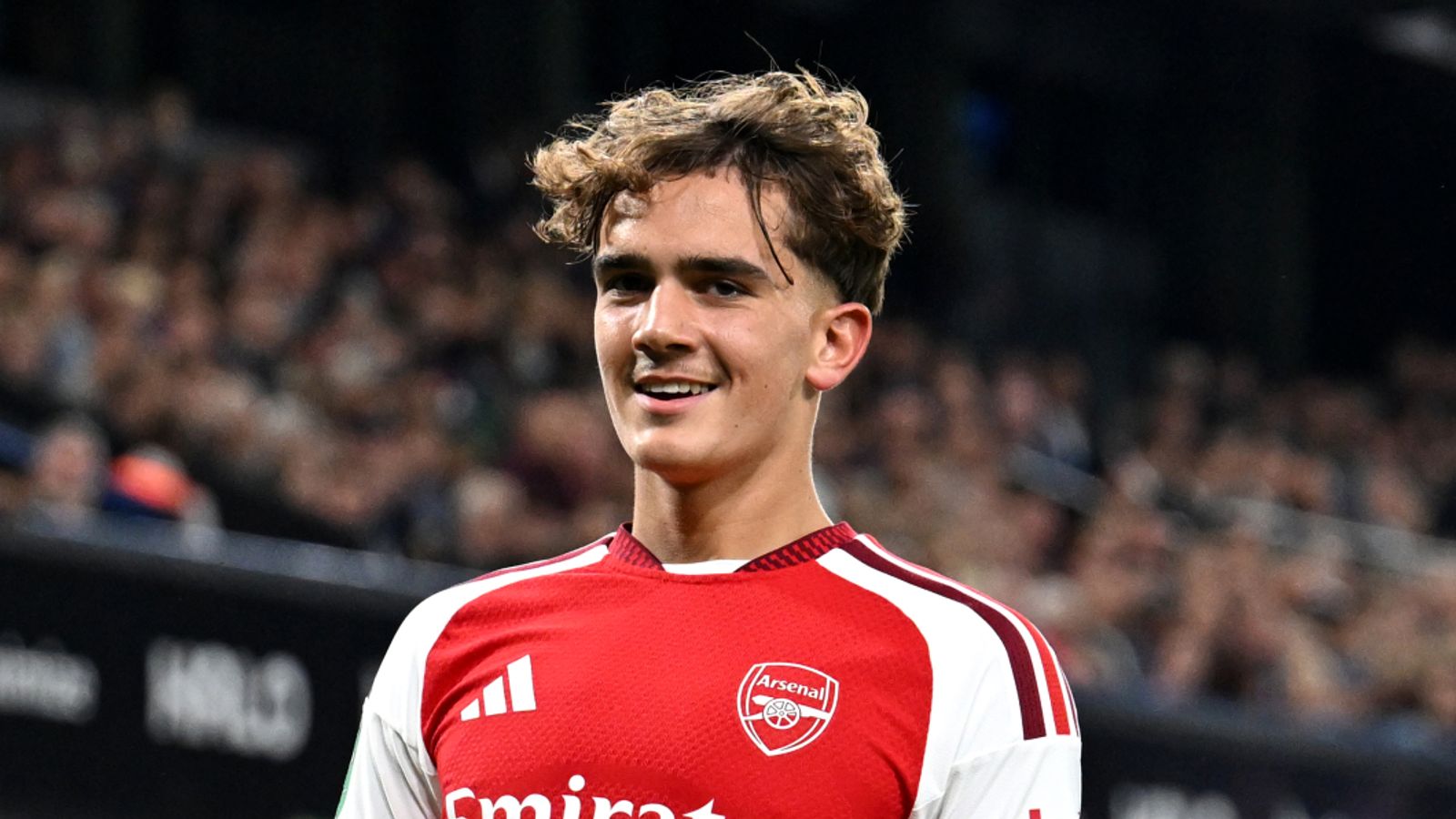
The defensive shift at the Emirates
Arsenal are currently scanning the market for defensive reinforcements. Per reports from Mirror Football, the club maintains an active interest in established targets as they look to secure their backline for the upcoming campaign. Internal discussions focus on matching tactical flexibility with the physical demands of the Premier League.
Scouting reports prioritize players comfortable in high-line defensive structures. Arsenal manager Mikel Arteta requires defenders who possess elite recovery pace to compensate for attacking full-back positioning. The current squad depth at center-back is lean. An injury to any of the primary starters forces a chain reaction that destabilizes the 4-3-3 shape.
Real Madrid and the recruitment vacuum
Real Madrid have executed a surprise strategic pivot regarding their defensive recruitment. After heavy links to various high-profile European targets throughout the past six months, internal sources now suggest the club is cooling interest in defensive signings. This leaves the door open for clubs like Arsenal to monopolize negotiations for players who were previously expected to move toward the Spanish capital.
This U-turn creates a distinct window for Premier League sides. Agents often leverage interest from Madrid to inflate wage demands. With that pressure removed, the financial floor of these potential deals becomes manageable. However, Arsenal must be wary of overpaying for players who have seen their price tags hiked by media speculation. The risk of a stagnant wage bill persists if the club fails to move on fringe assets this summer.
Tactical fit and squad integration
Any defensive acquisition must prove capable of playing out from the back under sustained pressure. The transition from deep-lying possession to high-intensity transition is where Arsenal often struggle against low-block opponents. A new arrival is expected to provide more than just traditional defensive stability. They need to act as a secondary playmaker when the midfield is tightly marked during the 90 minutes.
Critics point to the lack of aerial dominance in set-piece scenarios during the previous campaign. If Arsenal targets a player who stands under six feet, questions regarding physical presence will surface immediately. The defensive profile needs a blend of technical composure and raw aggression. Failure to secure an aerially dominant profile remains the biggest potential pitfall for this transfer strategy.
Financial constraints and market reality
Budgeting remains a complex balancing act for the recruitment team. With FFP monitoring in effect, the club operates with a limited margin for error. A move for a marquee defender requires selling at least two rotation squad members. The estimated price for top-tier targets fluctuates between 45 million and 60 million pounds depending on their current contract status at their parent club.
Contract length is a non-negotiable point for the front office. Arsenal prefers four-year deals with options for an extra twelve months. This structure allows the club to maintain resale value while mitigating the risk of long-term wage traps. Reports indicate that interest is trending toward players in their early twenties who are seeking a step up in competitive environment.
Comparison to existing options
When analyzing the current rotation, the disparity in progressive passing stats between incumbent starters and potential targets is marginal. Supporters demand an upgrade in speed, yet the market is barren for defenders with both recovery pace and championship-level experience. Buying players below the age of 23 is cheap, but it risks points dropped due to tactical naivety.
Ultimately, the choice of the primary target rests on the ability to integrate within the first two weeks of pre-season. Any later, and the player misses the foundational drills necessary for the system. The club has effectively narrowed its scouting list to three candidates, all currently playing in domestic leagues across Europe. Each represents a distinct trade-off between defensive reliability and offensive contribution.
Probability and outlook
Based on current intelligence, the internal consensus at London Colney is leaning toward aggressive pursuit of a versatile defender by late July. Should the talks progress as expected, fans can anticipate official movement by the 1st of August. The likelihood of a high-profile move remains stable, hovering around a Tier 2 confidence level given the current fluidity of the summer market. If the deal goes through, expect an immediate impact on the defensive rotation. The new addition will likely challenge for a starting role by the first week of September. This is a critical window for Arsenal—they cannot afford to stall on these negotiations while title rivals solidify their own rosters.
Read Next
- Arsenal eye surprise move for the next Kvaratskhelia
- Arsenal's transfer window strategy hits a speed bump with Barcola hijack
- Why Real Madrid are pushing Aurelien Tchouameni toward the exit
- Manchester United's transfer window hinges on a massive midfield pivot
- 🇫🇷 France World Cup 2026 — Les Bleus Hub
- ⚽ La Liga 2025-26 — Title Race Hub
- ⭐ UCL 2026 — Champions League Quarter-Finals Hub