
The Deadline Day Clearance Sale in North London
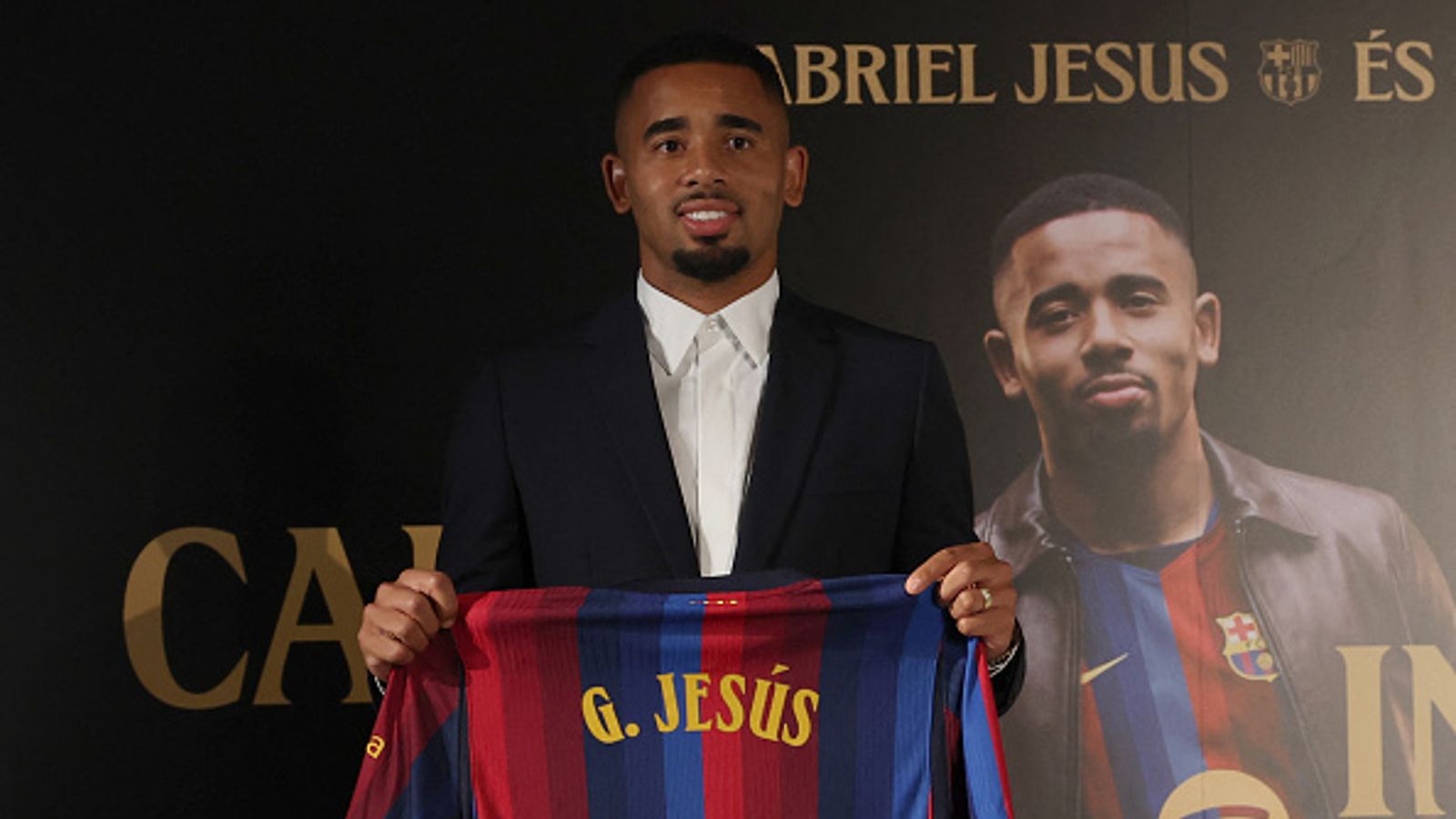
Deadline Day 2026 ended with one of the most drastic player markdowns in recent Premier League history. Arsenal officially confirmed the sale of Gabriel Jesus to Barcelona for a transfer fee of £8.6m. Four years after paying Manchester City £45m for the Brazilian forward, North London accepted a fraction of his initial valuation to close the deal.
According to transfer coverage from Sky Sports, Jesus signed a contract with Barcelona running through June 2029. But the financial write-down in North London did not stop with the striker. On the exact same afternoon, Arsenal also finalized the sale of midfielder Fabio Vieira to Hamburg for £7.7m.
Arsenal had originally signed Vieira from Porto for up to £34m in June 2022. By sanctioning both exits in a single afternoon, Arsenal effectively wiped out nearly £63m in initial asset value before the transfer window closed.
The stark contrast between purchase prices and resale figures illustrates the sheer scale of Arsenal's Deadline Day clearance:
- Gabriel Jesus: Signed for £45m from Manchester City in 2022, sold for £8.6m to Barcelona.
- Fabio Vieira: Signed for up to £34m from Porto in June 2022, sold for £7.7m to Hamburg.
- Combined Financial Loss: Recouped just £16.3m from an initial £79m combined investment.
Supporters on social media spent the evening arguing whether this double departure represented pragmatic wage management or administrative surrender. One faction of the fanbase cheered the removal of heavy wage packets for players outside Mikel Arteta's main plans. They argued that holding onto redundant squad members simply out of pride only causes further financial stagnation.
The opposing faction felt deeply frustrated by how easily Arsenal allowed rival clubs to dictate terms. Fans watched European teams extract heavy fees for squad rotation players all summer. Seeing North London accept single-digit millions for proven international talent left a bitter taste across the fanbase.
How Knee Surgery Altered Gabriel Jesus’s Career Path
To understand how a 29-year-old forward saw his transfer valuation collapse by roughly 80 percent, you have to analyze his physical trajectory. Jesus arrived in North London during the summer of 2022 and immediately transformed Arteta's attack with persistent pressing and sharp link-up play. Over his four years at the club, he recorded 32 goals in 123 appearances across all competitions.
The defining turning point in his Arsenal career arrived during an FA Cup tie against Manchester United in January 2025. Jesus suffered a severe knee injury that sidelined him for the majority of that year. The subsequent surgery and long recovery stripped away the quick turn of acceleration that made him so effective in tight spaces.
Without that initial burst of speed, his primary tactical advantage over physical Premier League center-backs largely evaporated. By the time the 2025/26 campaign was underway, Jesus found himself stuck on the perimeter of the squad. He managed just 3 Premier League starts all of last season as Kai Havertz and other attacking options took control of the forward line.
His international standing collapsed right along with his club minutes. Jesus has earned 64 international appearances for Brazil during his career, but he has not featured for the Selecao since November 2023. Without regular starting assignments in domestic football, regaining his place in the national team squad proved impossible.
Why Barcelona Grabbed the Discount While Napoli Stepped Aside
Barcelona executive Joan Laporta recognized an opportunity to acquire experienced international quality without breaking the club's strict payroll structure. Securing a 29-year-old forward for €10m fits Camp Nou's current low-risk recruitment framework. Napoli had also expressed serious interest in Jesus earlier in the summer, but Barcelona acted faster to finalize the transaction.
Catalan supporters remain divided on whether signing Jesus represents a clever transfer bargain or an unnecessary squad risk. Optimists remember the electric forward who led Manchester City's attack and brought immediate intensity to Arsenal's frontline in 2022. They view him as a capable multi-positional attacker who can lighten the workload for Hansi Flick's starting front three.
Skeptics, however, point to his extended goal droughts and question why Camp Nou is signing a forward with a major knee injury history. Spending transfer funds on a player who has been absent from the Brazil national team for nearly three years feels to some like collecting big names past their physical peak.
The transfer also raised immediate questions about how Jesus fits alongside Barcelona's broader summer ambitions. As detailed in Sky Sports deadline reporting, Barcelona's acquisition of Jesus will not impact their separate pursuit of Julian Alvarez. Sources confirmed those negotiations remain completely independent, allowing Barca to pursue multiple frontline targets simultaneously.
Roster Accounting and the Wider European Context
When you evaluate Arsenal's Deadline Day departures against the broader European transfer market, the disparity in asset retention becomes even clearer. Other European clubs successfully commanded strong fees for talent during the same transfer window. Bayer Leverkusen secured £34.5m for Piero Hincapie, while Club Brugge commanded £34m for Christos Tzolis.
Even lower-tier and developmental transactions saw clubs hold firm on their terms. Blackburn acquired Igor Tyjon for an undisclosed fee, Manchester United brought in James Scanlon for an undisclosed sum, and Georgia Southern Eagles added Samuel Chapman on a free transfer. Yet while other teams preserved bargaining strength, Arsenal found themselves forced to accept heavy write-downs.
The final hours of the window saw aggressive maneuvering across Europe's top leagues. Manchester City opened negotiations with Chelsea to acquire Argentina midfielder Enzo Fernandez. Meanwhile, Chelsea pushed to complete a deal for Roma midfielder Manu Kone while exploring a loan that would send Jamie Gittens to Italy, and Liverpool finalized the signing of Bradley Barcola.
In that chaotic market, selling both Jesus and Vieira for a combined £16.3m demonstrates how quickly Arsenal lost negotiating strength. Opposing sporting directors were fully aware that Arteta needed to clear wages and reallocate roster slots before the window shut. That lack of maneuverability left North London without any real bargaining power during final negotiations, forcing them to accept whatever cash European suitors put on the table.
The Tactical Verdict: Strategic Pruning or Administrative Blunder?
From a strictly practical viewpoint, keeping a high-earning third-choice forward on the roster would have been bad business. When a player registers only three league starts over twelve months, holding out for a £20m fee is simply unrealistic. Arsenal desperately needed to clear salary space, and accepting Barcelona's low offer was the only way to avoid carrying unneeded wages into the autumn.
Yet football management must ultimately be judged by long-term asset value and recruitment success. Spending £79m to bring in Jesus and Vieira four years ago only to recoup less than £17m marks a clear failure in squad maintenance. While clearing out unused players was necessary today, the decisions that led to this Deadline Day clearance reveal flaws in Arsenal's squad construction.
Barcelona emerge from Deadline Day having secured a calculated gamble with very little financial risk. If Jesus provides reliable rotation minutes in La Liga and domestic cup competitions, the €10m fee will look like a shrewd piece of business. For Arsenal, the focus turns to rebuilding squad depth, even as the sting of a £63m financial loss lingers over North London.
Read Next
- Arsenal race Barcelona for Julian Alvarez as deadline day window closes
- Arsenal's deadline day push for Julian Alvarez hangs on Atleti dominoes
- Marcus Rashford to Arsenal is the most chaotic rumor of transfer deadline week
- Arsenal chasing Julian Alvarez is pure deadline day delusion
- ⚽ La Liga 2025-26 — Title Race Hub
- ⭐ UCL 2026 — Champions League Quarter-Finals Hub



