The Great Matchday Beer Heist Is Finally Ending
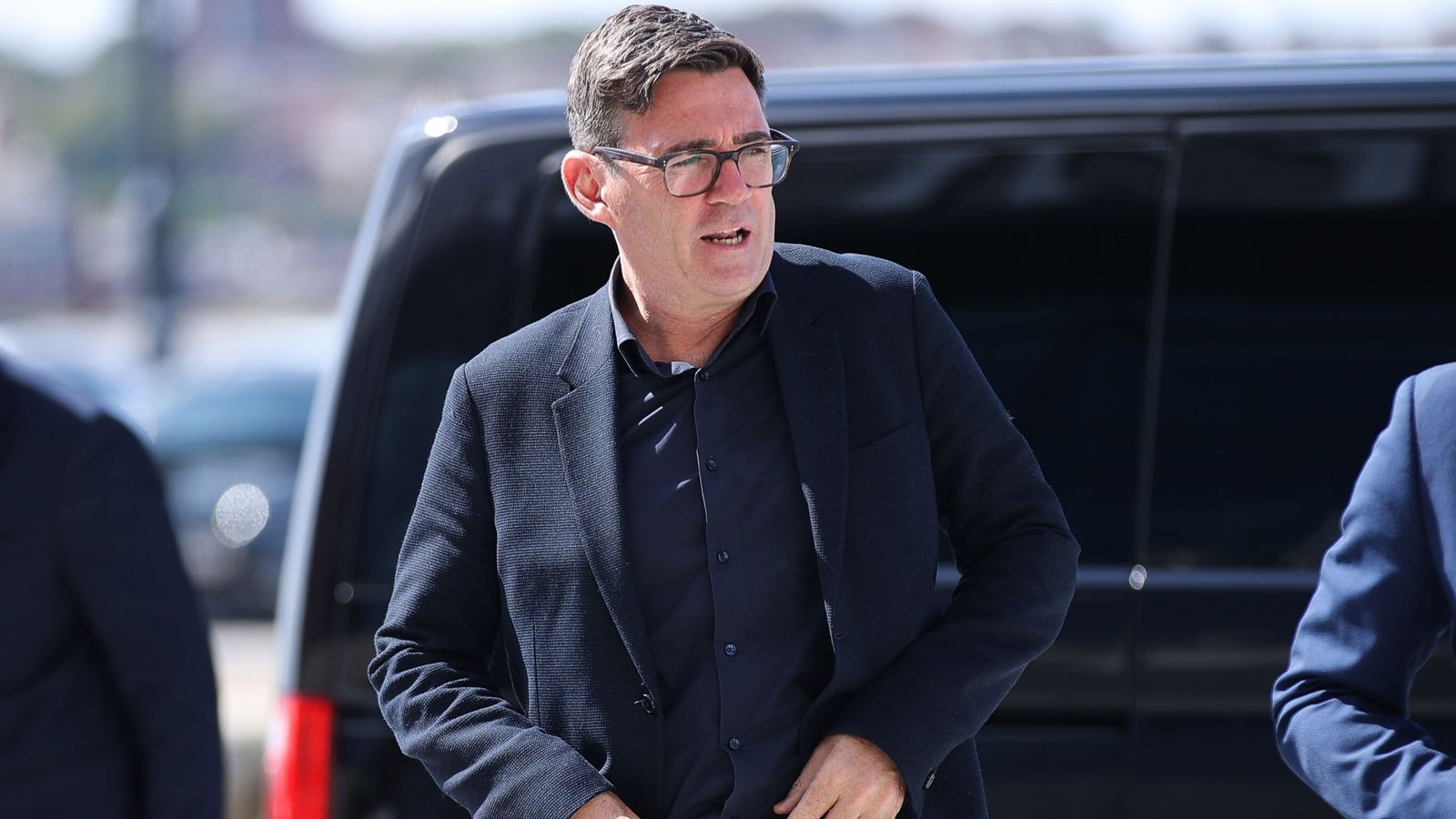
Imagine standing in the United Nations headquarters in New York, surrounded by world leaders debating global diplomacy, and deciding that your primary agenda item is securing the right for an Everton fan to drink a warm lager while watching 22 men kick a ball. That is precisely what Prime Minister Andy Burnham did yesterday. You have to respect the absolute audacity of the move.
For over four decades, English football supporters have been subjected to one of the most bizarre rituals in modern sports. At minute 39 of every match, thousands of fully grown adults sprint down concrete concourses like contestants on a game show. The objective is to guzzle two overpriced plastic bottles of beer before the second half kicks off, purely because crossing an arbitrary doorway with liquid in hand makes you an enemy of the state.
Burnham blew the lid off this absurdity while speaking to reporters in New York. The Prime Minister reaffirmed his stance that the ban on drinking in stands across the top five tiers of English football—from the Premier League down to the National League—needs to be tossed into the dustbin of history. As reported by Sky Sports, Burnham refused to back down from his position, proposing trial runs to end the restriction.
Naturally, the killjoys immediately pulled out their megaphones. The UK Football Policing Unit sounded like a strict high school principal taking away break time. But if you have spent any time in an English football ground over the last decade, you know the current law does not stop drunkenness, it just turns half-time into a high-stakes competitive drinking contest.
Inside the 1985 Relic Treating Fans Like Toddlers
To understand how we arrived at this nanny-state madness, you have to rewind to 1985. Thatcher-era Britain was dealing with genuine, rampant hooliganism, and parliament panicked. They passed legislation banning alcohol in view of the pitch across the top five divisions to curb stadium brawling during an era when football grounds felt like the Wild West.
Flash forward to 2026, and the world has completely changed. Stadiums are equipped with high-definition facial recognition, VAR cameras, and security setups that make Fort Knox look porous. Yet the law remains frozen in carbonite.
You can sit in the exact same plastic seat at Wembley for an Oasis concert and drink until your heart is content. Step inside that venue for an FA Cup match, however, and suddenly holding a pint in view of grass is a criminal offense.
Football Supporters' Association chairman Tom Greatrex nailed the double standard. As Sky Sports detailed, Greatrex pointed out the hypocrisy of how different events treat their attendees.
"The FSA has always argued that it's unfair to criminalise football fans for having a pint while watching the match - especially since you can sit in the same seat drinking alcohol while watching an Oasis gig or rugby league."
Think about how absurd that reality is for a second. If Liam Gallagher is screaming lyrics on stage, you can sip your drink in seat 112.
If Erling Haaland is taking a penalty in front of the exact same seat, drinking that same beverage gets you cuffed and escorted out. The logic has fewer structural beams than a cardboard table in an ECW match.
What the current ban actually creates is a binge-drinking pressure cooker. Because fans know they cannot enjoy a drink during the 90 minutes of action, they down four pints at the local pub at 2:45 PM. Then they rush through the turnstiles, head straight to the concourse, and chug another pint in three minutes flat.
It is an Olympic sport nobody asked for, designed entirely by outdated government bureaucracy. Unsurprisingly, the authorities are reacting to Burnham’s comments like he just suggested replacing match referees with roulette wheels. The UK Football Policing Unit immediately issued a stern response demanding an urgent meeting with the Prime Minister to lay out their safety concerns.
The Cops Are Sweating, But the Data Speaks
The policing unit added that it would be irresponsible to fuel trouble by allowing greater alcohol consumption during matches. On paper, that sounds like a reasonable defense. Nobody wants away ends turning into chaotic gladiatorial arenas, but this argument completely ignores real-world testing that has already proven successful.
"Other sports simply don't see the violence and criminal behaviour from their supporters that football does, albeit a minority, with alcohol often playing a significant part in violent and disorderly behaviour."
Look at the women's game in England. Both the WSL and WSL2 ran successful pilot programs allowing supporters to drink in their seats without turning stadiums into chaotic battlegrounds. The English Football League has also long advocated for a formal trial in men's football.
Are police seriously suggesting that a League Two crowd at 3:00 PM on a freezing Saturday cannot handle a beer without losing their minds? The anti-drink crowd loves to pretend football fans are an entirely different species from rugby or darts enthusiasts. Go watch a Magic Weekend rugby league fixture or a night at the Alexandra Palace darts.
People drink buckets of beer, sing songs, and somehow the fabric of civilization remains intact. Football fans are not inherently wild animals. They are treated like wild animals, so a small minority acts accordingly.
Beer Spills, Cash Flow, and the Final Verdict
Let us be completely honest for a minute: lifting the ban will not be 100% sunshine and rainbow confetti. There are genuine logistics to worry about, and acknowledging them is essential.
Anyone who has ever stood in a rowdy away end knows what happens when someone scores a 93rd-minute winner. Drinks will fly into the atmosphere like a localized hurricane.
If you are wearing a brand-new jacket in row 15 when a last-second header goes in, you are taking a shower in whatever £7 beverage the guy behind you was holding. Clean-up crews are going to hate it. Security staff in front of the stands will spend half the afternoon dodging flying paper cups.
The physical reality of 40,000 amped-up supporters holding liquids is going to produce some messy moments. Furthermore, lower-tier clubs in the National League might struggle with the additional steward manpower needed to monitor seat drinking. Club owners, however, are privately salivating at the potential revenue.
Being able to sell beverages continuously throughout the match rather than squeezing all sales into a frantic 15-minute window is a massive financial incentive. Clubs could easily charge £8 a cup and print money.
The Prime Minister is hitting the bullseye on this issue. Keeping a 41-year rule alive purely out of habit is lazy governance. Burnham’s proposal for a controlled trial basis is the pragmatic compromise English football desperately needs.
Give select Premier League and EFL venues a six-month test run. Enforce strict penalties on disruptive individuals rather than punishing thousands of law-abiding supporters who just want to enjoy a cold beverage while watching their team play.
Football has evolved tremendously since the dark days of the 1980s. Modern stadiums are safer, more family-friendly, and infinitely better managed than they were when this law was crafted. Continuing to treat matchgoers like potential rioters because of events that occurred over four decades ago is ridiculous.
It is time to let fans drink in their seats, clean up the occasional spilled pint, and finally join the rest of modern sports entertainment. The era of concourse panic drinking needs to end today.