The physical toll of Bournemouth’s midfield engine
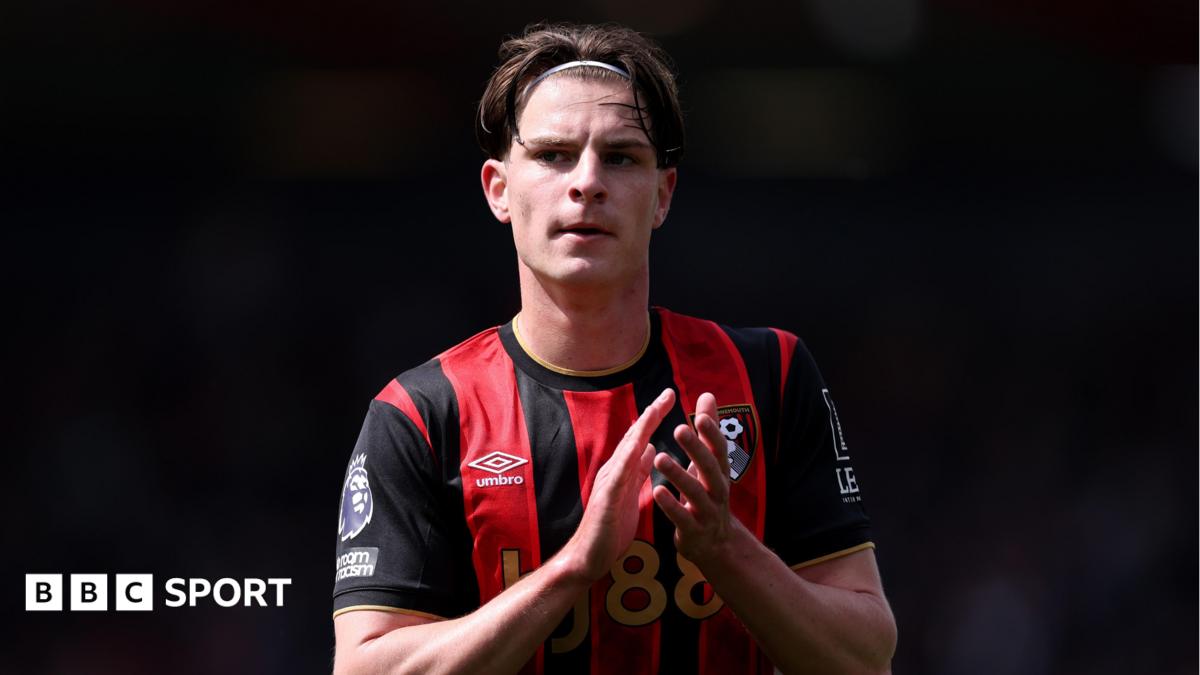
Alex Scott finds himself in a precarious position as he navigates a significant recovery timeline. The former Bristol City midfielder, instrumental in recent transfer negotiations, is currently battling a recurrence of a lateral ligament strain. Medical staff have ruled him out for at least six weeks, halting any immediate momentum on a potential exit from the Vitality Stadium.
This injury pattern reflects a troubling trend for Scott. His inability to stay on the pitch consistently has hampered both his development and his market value. While Chelsea’s interest remains documented, the injury introduces a layer of complexity for any club looking to trigger a move before the window slams shut.
Tactical implications of a high-profile absence
Bournemouth boss Andoni Iraola must now reconfigure his center-midfield balance. Without Scott’s transition play, the Cherries lose a primary outlet for progressive passing. The team struggled to maintain possession against high-pressing opponents last year during similar absences. This gap invites scrutiny; the club depth chart lacks a direct replacement capable of dictating tempo at the same standard.
Strategically, this forces a conservative approach to the current transfer window. Bournemouth recently rejected a £64m bid from Chelsea, signaling that they value the player as a core building block. However, medical history doesn't lie. Selling an injured asset becomes significantly harder if his fitness record continues to show volatility.
Comparative historical risks
Historically, central midfielders dealing with persistent ligament issues face a steep climb back to elite match fitness. Players often return with reduced pace in the first three months post-rehab. We saw a similar trajectory with other young prospects in the Premier League who suffered premature setbacks during peak growth years. The pressure to return early frequently leads to secondary muscle micro-tears.
The club has opted for a cautious rehabilitation schedule. There is no desire to force Scott back before the medical team confirms zero inflammation. Any rush to reintegrate him could turn a six-week recovery into a season-long headache.
The broader market fallout
Competitors monitoring the situation are likely pivoting. Chelsea’s scouting department rarely doubles down on injured prospects when alternate, healthier targets are available. If Scott remains sidelined, expect interest to cool as data-led recruiting systems favor availability over potential. This stagnation serves as a reminder of how quickly a professional career can stall from a single ligament tear.
Critics point to the club’s failure to secure better cover earlier in the window. A £64m valuation requires a player to contribute across 38 league matches. When that foundation is missing, the entire squad balance is compromised. Management is now gambling on other personnel to fill the void while hoping Scott avoids long-term damage.
Future outlook
The next steps involve a series of non-contact fitness building drills. If all markers are hit by late August, individual training will shift toward tactical immersion. The club expects him to resume team play by mid-September. Missing this window significantly damages his chances of pushing for a starting spot in the upcoming cycle.
Every match he stays off the pitch is a missed opportunity for scouting and valuation growth. Whether he stays or eventually moves, his priority must now shift away from speculation and toward functional health. The £64m price tag remains the benchmark for his potential, but his availability will dictate the reality of his career progression.