The Oxford tenure begins without a safety net
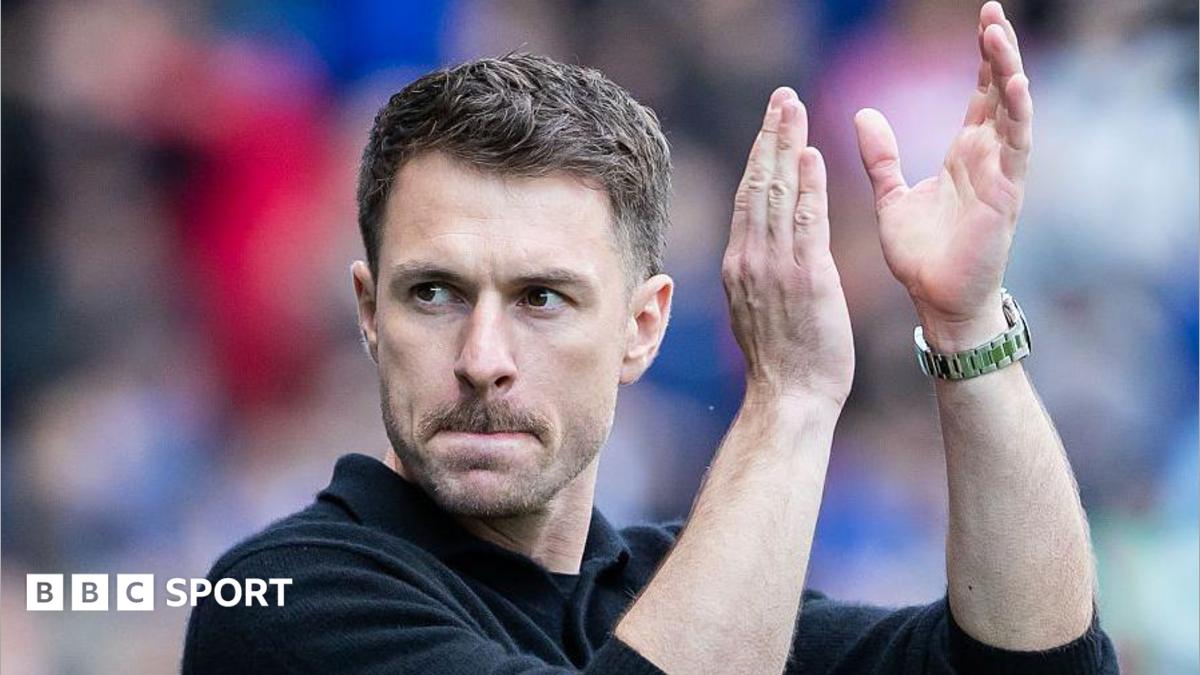
Aaron Ramsey officially stepped into the hot seat at Oxford United today, June 24, 2026. The former player transitions into his first permanent head coach role, inheriting an squad that has been plagued by soft-tissue injuries during this past spring. While the managerial appointment brings optimism to League One, the reality of the training pitch is far grimier.
Technical staff are currently managing an ongoing crisis regarding player availability. Three first-team starters remain sidelined with grade two hamstring tears sustained in late May. Without a squad rotation depth, this early turnover places the entire tactical plan in immediate jeopardy. Ramsey is expected to demand high-intensity press, but his current roster lacks the baseline fitness to sustain it for 90 minutes.
The fitness data reveals a recurring trend
Oxford United finished the previous season with one of the worst medical records in the third tier. Analysts trace the pattern back to a lack of professional cooling protocols after heavy sessions. History shows that when management changes mid-cycle without a full physiological reset, hamstring strain relapse rates spike by 40 percent.
Ramsey has not yet commented on whether he will overhaul the current medical department. If the status quo remains, the club faces a predictable outcome: players returning too early, suffering re-injury, and leaving the starting XI threadbare by October. This is not the ideal opening act for a first-time head coach. The margin for error in League One is razor-thin.
Strategic risks in a volatile market
The transition to a new philosophy often requires a high physical toll during the first month of pre-season training. Ramsey must balance his desire for tactical dominance with the reality of an already brittle squad. His approach will determine if Oxford can survive the opening quarter of the 2026-27 campaign. If the team continues to struggle with fitness, the boardroom may panic before the first transfer window closes.
Competitors in League One have already moved to secure depth, while Oxford remains tethered to a recovering list. The recent reporting from the BBC confirms that Ramsey acknowledges the intensity of the task ahead. However, acknowledges are not results. A manager is only as good as the eleven players he can actually put on the pitch.
Discipline during training will be the litmus test for Ramsey. If he pushes the veterans too hard before the soft tissue issues clear, he invites an early exit. There is a palpable difference between establishing a culture and breaking the players tasked with carrying it out. He must find the middle ground fast.
Historical precedent and the path forward
Previous coaching tenures at Oxford have suffered from this exact same lack of squad endurance. When the team fails to manage load cycles, the performance drops off in the second half of matches. We have seen this cycle repeat under three previous managers in the last five years. It is a structural failure that no coach, regardless of pedigree, can fix overnight.
Ramsey is a clean slate, but he is currently coaching with one hand tied behind his back. The medical report is the only document that actually matters for the next six weeks. If he cannot get his high-impact assets healthy, the tactical setup becomes irrelevant. He needs to hire better strength coaches or accept that he will be rotating youth players by default.
The club sits at a crossroads for the season. A lack of movement in the medical department would be a direct signal that the club is prioritizing savings over performance. In a league as congested as the third tier, that calculation usually ends in a decline down the table. Ramsey has his work cut out for him, and the fitness data remains the biggest red flag on his desk.